Languages
Saturday, November 21, 2026



News and Views from the Global South
SYRIA: Rights Groups Fly By Ever Darker Night
The fragile human rights situation in Syria shows little prospect of improving, with authorities moving consistently in the wrong direction and the international community, politically weakened in the region, able to do little more than watch, a major rights group said Wednesday.ECONOMY: In IMF Outlook, Cause for Pause
The International Monetary Fund's latest assessment of the world economy might resonate with developing countries, critics of economic globalisation, and proponents of tighter financial regulation alike.POLITICS-TRINIDAD: The Women Are at the Gates
This year, Christmas came early for social activist Hazel Browne, coordinator of the Trinidadian Network of NGOs.
Q&A: “We’ve Stopped Believing in Ourselves”
Dr. Michael Byers, a professor of politics and international law at the University of British Columbia, recently released a provocative book titled "Intent for a Nation - A Relentlessly Optimistic Manifesto for Canada's Role in the World."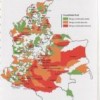
COLOMBIA: Elections Under Threat
With 11 days to go to Colombia’s Oct. 28 local and regional elections, the campaign has been marred by the slaying of candidates and activists, cronyism and patronage, threats by armed groups, and the prospect of fraud and votes cast out of fear.
HAITI: After the Deluge, Residents Turn to Each Other
Cars crossing Gonaives Avenue shoot plumes of murky water from their rears. Men on motorcycles stick to the shoulder of the road, dodging large puddles. As the flooding in this coastal city begins to slowly recede, residents are starting to assess the measure of destruction.
HEALTH-US: Soldier’s Death Highlights Medical Staff Shortages
On Sep. 19, Kay McMullen had the last conversation she ever would with her son, Gerald Cassidy, or G.J., as he was known to his family and friends.
Q&A: ‘Being Silenced Is So Serious That the Reason Pales in Comparison'
A decision by the Cuban Radio and Television Institute (ICRT) not to broadcast several video clips by national filmmakers rekindled controversy about the government’s cultural policy and its effects on the media.RIGHTS: Poverty and Capital Punishment Go Hand In Hand
In rich and poor countries alike poverty and the death penalty are almost always inextricably bound together, according to a worldwide survey of experts and human rights activists carried out by journalists as part of the IPS Death Penalty Abolition Project.
AFGHANISTAN: To Mourn or Celebrate – Afghans’ Dilemma
Ismarai has recently refurbished his shop selling soft drinks on the newly tarred avenue of Deh Mazan in the Afghan capital. Next to it stands a bombed out cinema house with white chalk signs that warn of landmines.
TRADE: Possibilities and Pitfalls for India, Brazil and S. Africa
Enthusiasm tempered with notes of caution has characterised the IBSA (India, Brazil and South Africa) Business Forum, held in Johannesburg in the run up to the latest heads of state summit of the three countries.DEATH PENALTY: Falsely Accused Push for Moratorium at U.N.
Three men sentenced to death for crimes they did not commit urged member states of the United Nations General Assembly Tuesday to support an upcoming resolution for a global moratorium on executions.MEXICO: Most Dangerous Latin American Country for Journalists
"Journalist’s Murder Condemned", "Newspaper Editor Reported Missing", "Organised Crime May Lurk Behind Disappearance of Newscaster". Headlines like these appear ever more frequently in Mexico, the most dangerous country in Latin America for journalists to ply their trade.FINANCE: U.S., Investors’ Favourite, Faces Test from South
The United States has reemerged as the world's premier destination for foreign investors but could face stiffer competition for foreign assets from China and other developing economies, a U.N. report said Tuesday.RIGHTS-GUATEMALA: New Rules for Lucrative Adoption Business
Non-governmental organisations from Guatemala asked the Inter-American Commission on Human Rights (IACHR) to consider a case involving international adoptions, a lucrative business in this Central American country that is about to be subjected to tougher rules.HEALTH-ASIA: Four Years On Questions Hover on Bird Flu
Four years after the first outbreak of avian flu, experts say many key questions hover around the disease: what kind of contact between fowl and humans leads to its transmission to people, and how effective can poultry vaccination really be.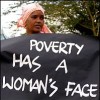
DEVELOPMENT: The Missing Piece of the Poverty Puzzle
Women are seen as the key for ending global poverty and the issue of gender equality is receiving special attention at events marking the International Day for the Eradication of Poverty on Wednesday.
DEVELOPMENT-INDIA: Sanitation Is About Mobilising Communities
Off the dusty highway that connects the temple town of Madurai to the provincial capital of Chennai, this village strikes the stray visitor with its cleanliness.TURKEY: Armenian Ghosts Refuse To Go Away
The decision last week by the U.S. House Committee on Foreign Relations to adopt a resolution recognising as genocide the massive killings of Armenians in 1915 and 1916 by Ottoman military forces in eastern Anatolia has marked a decisive turn in the relationship between the legislative of the United States and the Turkish government.
Q&A: “Where Europe Has Failed These Europeans”
Thomas Hammerberg was elected Commissioner of Human Rights of the Council of Europe in October 2005. He plays a crucial role in promoting implementation of the recommendations of the human rights system of the Council.MEDIA: Quite the Biggest Look at Democracy
It is dubbed the "the world's largest ever factual multi-media event" by its producers, and it will be watched by a potential of 300 million viewers around the world.« Previous Page — Next Page »


The Week with IPS

NEXT STOP - SDGs
Tracking global progress towards a sustainable world
Tracking global progress towards a sustainable world
