Languages
Friday, October 2, 2026



News and Views from the Global South
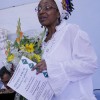
Breaking the Silence on Racism in Cuba
Gloria Rolando has been revealing hidden chapters of Cuban history since the 2010 premiere of the first part of her documentary series "1912: Breaking the Silence," about the virtually unknown story about the only legal political party to promote racial equality in this country.
Cubans Meditate for a Culture of Peace
In response to the pressures of everyday life, some people in Cuba are promoting meditation as a way to protect the mind and body and foster a culture of peace.
Winds of Lent Blowing in Cuba
Debates in civil society, tension with internal opposition groups, demands from outside the country and inevitable comparisons with John Paul II’s visit to this socialist island in 1998 surrounded Benedict XVI’s visit 14 years later to a very different Cuba.
Helping Child Cancer Patients Reintegrate in Cuban Society
The days of doctors, needles and uncertainty seem far-off to Elián Acosta, a Cuban boy who was diagnosed with leukaemia in 2006 and is in remission. Now the challenge is for him to be reintegrated into the community without being seen as "different."
CUBA: Youth, Love and Sex – Fewer Constraints
Cuba's young people today feel they have more freedom to navigate the waters of romantic feelings in an uncomplicated way.
CUBA: Gender Inequality Persists Behind Closed Doors
While gender roles have changed since Cuba's 1959 revolution, inequalities persist among men and women in private life, and young people are both accepting that and breaking with it.
Young Cubans Unsure Where to Turn for Decent Jobs
In the throes of Cuba's economic "reorganisation," young people are walking a tightrope towards an uncertain employment future. They are finding it increasingly difficult to find jobs that meet both their professional aspirations and their salary expectations.
Public Debate on the Shape of Socialism in Cuba
The absence of more open social policies and real citizen participation are some of the concerns being debated in the run-up to the Sixth Congress of the ruling Cuban Communist Party (PCC) in April.Iconoclastic Young Filmmakers Look at Real Issues in Cuba
Lighting up dark areas of Cuban society with youthful vigour, Muestra Joven (the Young Cinema Exhibition), a local independent film event, reached its 10th anniversary characterised by experimentation and subjects that are both complex and invisible in the national media.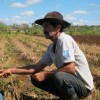
CUBA: Integrated Farming to Help Reach Food Sovereignty
Based on their own experience, Luisa García and Jorge Medina, whose farm in Cuba produces a variety of food that feeds them year-round, said they have no doubt that food sovereignty can be achieved in their country and in the rest of Latin America.
Q&A: “Art Can Transform Small Aspects of Society”
For the first time, Cuba's National Fine Arts Prize was awarded to a member of the country's "80s generation": René Francisco Rodríguez, whose work crops up in the most unexpected places in urban communities, and who finds it hard to relinquish the "utilitarian character of art."EDUCATION-CUBA: The Sharp Edge of Change
Tougher entrance exams for higher education, to be applied in the next academic year in Cuba, are worrying families who see getting into university as a major achievement for their children.CUBA: Looking for Roots Across the Ocean
Their tanned skin is weathered by years of sun, and their voices preserve traces of accents from different parts of Spain.« Previous Page


The Week with IPS

NEXT STOP - SDGs
Tracking global progress towards a sustainable world
Tracking global progress towards a sustainable world
