Languages
Tuesday, October 27, 2026



News and Views from the Global South

SWAZILAND: Heavy Rains Welcome in the Mountain Kingdom
There's nothing quite like the enthusiasm that rises from the earth when rains come at last to a drought-stricken region. While heavy rains have caused extensive flooding across Southern Africa, with fears of worse to come, in at least one corner of the region the community is gazing with joy at an overflowing dam.
SWAZILAND: Free Primary Education – If You Can Afford It
The new school year opened with hope - and hunger - in Swaziland this week: an estimated 140,000 orphans and vulnerable children are among the small, eager faces in the mountain kingdom's classrooms. Poverty and the AIDS pandemic threaten to make an early mark on the next generation.
TB Care Moves to the Community in Swaziland
Ntombikayise Mabelesa (36) is a recovering multi-drug-resistant (MDR) TB patient from Hoseya in the southern part of Swaziland.
CLIMATE CHANGE: Turning Agriculture From Problem to Solution
Global agriculture contributes in the region of 17 percent to the greenhouse gas emissions that cause climate change, but according to the World Bank, climate smart agriculture techniques can both reduce emissions and meet the challenge of producing enough food for a growing world population.
AFRICA: Food Versus Biofuels Debate Continues
"We’re going to Cancún no better off than we were in Copenhagen," said Thuli Makama, the director of Friends of the Earth Swaziland, as she prepared to leave for the climate negotiations in Mexico.
LABOUR-SWAZILAND: Jobs to be Cut to Secure International Loan
Thousands of public servants in Swaziland are due to lose their jobs in cutbacks as part of a government bid to gain approval from the International Monetary Fund for a loan. But some Swazis would rather see the budget slashed for the country’s autocratic royals.
SWAZILAND: Scramble to Meet Shortfall in Food Aid
November will see the World Food Programme launch its Food by Prescription programme in Swaziland, but tens of thousands in urgent need of food aid are set to go without as a donor shortfall restricts assistance.DEVELOPMENT: Fate of Millions Hangs on Global Fund Pledges
Sibongile Mavimbela has been living with HIV for the past 12 years; she has been on antiretrovirals for the past seven. But the mother of two fears the supply of free ARVs could dry up in the near future if contributions to the Global Fund on HIV/AIDS, TB and Malaria fall short of the $20 billion needed to meet development targets.
SOUTHERN AFRICA: Paying for Social Protection
Despite the Southern Africa region sustaining an annual growth rate of six percent, the U.N. Summit on the Millennium Development Goals will hear that the majority of Southern Africans remain among the poorest people in the world.
SOUTHERN AFRICA: Adapt or Perish
A changing climate will prompt changes in behaviour across Southern Africa. And when it comes to adaptation, Swazi farmer Bongani Phakathi is a frustrated man a few steps ahead of his neighbours.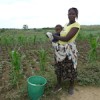
SOUTHERN AFRICA: Growing Seed Security
Farmer Obed Dlamini, like many of his colleagues from Swaziland, finds it difficult to find quality maize seeds each planting season. Not only are the seeds expensive but they are often not available.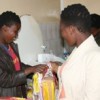
SWAZILAND: Finding Ways to Care for HIV Orphans
In the poor, drought-stricken community of Kangcamphalala, AIDS orphan Nomvula Dladla* is in tears. The 17-year-old has been told that her aunt, the only surviving relative she could live with, passed away a few hours ago of an HIV-related illness. And if she had been living anywhere else in the country, it would have made Dladla destitute.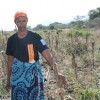
Wanted: Pied Piper for Swazi Village Under Siege
When good rains finally fell, Catherine Mngomezulu was so hopeful that this year she would reap a bumper harvest. Then the rats appeared.SWAZILAND: HIV – Long Distances Place Expectant Mothers at Risk
Affectionately known as Gogo Zondo by the community of Ndvwabangeni in northern Swaziland, Margaret Zondo is a traditional health practitioner who helps treat the sick and delivers babies.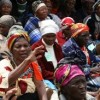
SWAZILAND: Women MPs Limited by the Patriarchal System
Minah Ndzinisa spends every day selling fruit and vegetables at the outdoor Mbabane Market, braving the rain, wind and cold for almost 20 years. "I was in the same cold even in the 1990s when we used to have only one woman Member of Parliament."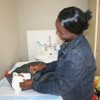
SWAZILAND: Focus on Infants in HIV Prevention
A proud mother, Nonhlanhla Mabuza cuddles her one-day-old baby boy, at the circumcision clinic of Raleigh Fitkin Memorial (RFM) Hospital. A day after delivering her second son, Thabiso Dlamini, the 20-year-old mother is not only beaming because she has just successfully delivered her tiny little tot – her bundle of joy has just undergone male circumcision.AFRICA: Better Data Key to Supporting Women Farmers
An accomplished farmer who won the coveted Woman Farmer of the Year Award in 2008, Thabile Dlamini-Gooday wants to uplift the standard of other women in agriculture. She believes that if women farmers were to work together they could fight hunger and significantly reduce poverty among themselves.
SWAZILAND: Activist’s Funeral Postponed As Police ‘Suppress Terrorism’
The Swazi government is determined that neither in life nor death will Sipho Jele's political colours be flown publicly.
African Grandmothers Demand Support in Role as Caregivers
"Africa cannot survive without us," is the message from grandmothers representing all corners of the continent.
SOUTHERN AFRICA: Some For You, Some For Me: Sharing the Inkomati River
At Ekuvinjelweni village, in South Africa's Mpumalanga Province, the Komati River flows clear and fast through the mountains.
ECONOMY: Brighter Business Prospects for Swazi Women
Business in Swaziland is perceived as a man’s playground, and Swazi women have long found themselves on the periphery. Not only are big industries dominated by men, they are also the ones who award tenders in government and other institutions.« Previous Page — Next Page »





The Week with IPS

NEXT STOP - SDGs
Tracking global progress towards a sustainable world
Tracking global progress towards a sustainable world
