Languages
Friday, October 16, 2026



News and Views from the Global South
Biking Across the Americas, Spotlight on Children
Damián López, of Argentina, has been riding his bicycle the length of the Americas for the past three years. His mission? In addition to completing the long journey, he wants to shine the spotlight on children who are at risk due to violence or abandonment.ARGENTINA-BRAZIL: Nuclear Safeguards System an Example for the World
A system of mutual safeguards, created nearly two decades ago by Argentina and Brazil for in-situ verification of the peaceful use of nuclear power in both countries, serves as an international model of transparency and confidence building in this highly sensitive field.SOUTH AMERICA: Argentine Beef Overtaken by Mercosur Partners
South America's Mercosur trade bloc is becoming established as the top world producer of beef, with 40 percent of the international market. But while in Brazil, Paraguay and Uruguay production and exports are growing, Argentina, the home of the legendary "asado" barbecue, is falling behind.
LATIN AMERICA: Gender Struggles and Achievements – for Men
Men in Latin America are increasingly engaged in raising their children, a change that has been largely forced on them by women's self-development. However, men are still a long way from taking on a more equal role in housework, and they are still burdened with the obligation to be the main providers.The Mystery of the Vanishing Squid in South Atlantic
Environmental factors, lack of cooperation and overfishing have caused a sharp fall in catches of squid in the southwestern Atlantic ocean, the most important fishery in the world for this species.Independent Theatre Flourishing in Buenos Aires
Independent theatre productions are mushrooming in basements, small theatres, garages or private residences throughout the Argentine capital, and sometimes even making it big across borders.ARGENTINA: Limits to Economic Growth Loom
The Argentine economy is making a rapid recovery after the impact of the global financial crisis last year, but experts warn about the limits to growth, which will reach a ceiling shortly unless investments increase.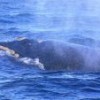
ARGENTINA: A Livelihood from Whales – Without Hunting
If you want to observe the charismatic southern right whale (Eubalaena australis), the most popular place to do so is off Argentina's Valdés Peninsula, an enclave on the Atlantic coast that relies on tourist dollars -- and therefore opposes whale hunting.HEALTH: To Fight AIDS, Fight Gender Inequality
Under the banner that gender inequality is one of the main drivers of the spread of AIDS, women from around the world are uniting to demand a stop to the epidemic among all females -- whether adults or girls.ARGENTINA: Being Gay No Longer a Bar to Marriage
Argentina is officially the first Latin American country to allow same-sex couples to marry, with the passage of a law Thursday that also permits gay couples to adopt children and to use assisted fertilisation to conceive a baby, rights that were hitherto restricted to heterosexual couples.ARGENTINA: Poorest First Served with Free Digital TV
In contrast to what has happened in most countries that have switched from analogue to digital television, in Argentina the technological leap has begun with the poorest households.
Argentine Province a Bastion of Opposition to Gender Quotas
Argentina was the first country in the world to adopt a national gender quota law to boost women's political participation. But nearly 20 years later, the legislation that inspired the rest of Latin America continues to run into resistance in one province.
Q&A: “Sustainability Is Paramount for Latin American Development”
Although the financial, climate, energy and food crises continue to create new challenges, Colombian biologist Margarita Astrálaga believes that now could be the time for Latin America "to advance towards a more equitable and sustainable development."ARGENTINA: Turning Wasteland into Woodland
In Santiago del Estero, one of the Argentine provinces hit hardest by deforestation and desertification, an oasis of native tree species is being created to restore the soil and entice back farmers who were forced to leave their land.ARGENTINA-URUGUAY: Joint Environmental Monitoring, a Way Forward?
A mutual inspection system, like the one Argentina and Brazil have developed for the nuclear industry, could contribute to solving the conflict between Argentina and Uruguay over pulp mills on border rivers.ARGENTINA: Over 40 and Jobless? Click Here
Tired of being sidelined in the job market because he was over 40, an Argentine computer specialist created a labour exchange for people his age and older, which in just a few months grew to nearly 6,000 people.
“Sustainability Is Paramount for Latin American Development”
A strategic plan with a new vision is needed to stop the dramatic loss of biodiversity, which is especially high in Latin America, says Margarita Astrálaga, UNEP regional director, in this Tierramérica interview.Argentine Football Violence Exported to South Africa
No one admits to providing them with support, but hundreds of Argentine football hooligans known as "barras bravas" flew to South Africa for the World Cup and are threatening to cause disturbances if the football clubs do not get them tickets to the games.ARGENTINA: Football Referee School Offers Way Out of Poverty
A new school to train football referees to work amateur-level tournaments in Argentina aims at providing skills and a legitimate source of income for young people from poor homes.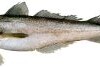
Argentine Hake On the Brink of Collapse
The Argentine hake fisheries of the southern Atlantic Ocean, among the world's leaders in the white fish market, are on the verge of collapse due in part to the indifference of the Argentine people, who are apparently more interested in beef, a staple of their diet.
Making Latin America’s Cities Women-Friendly
"Violence against women is not only domestic, it also happens in the streets. Not having the right to feel safe in a city square or at a bus stop without someone bothering us, that's also violence."« Previous Page — Next Page »





The Week with IPS

NEXT STOP - SDGs
Tracking global progress towards a sustainable world
Tracking global progress towards a sustainable world
