Languages
Saturday, October 17, 2026



News and Views from the Global South
Argentina’s Dream of Equality Unfulfilled, 200 Years On
As Argentina celebrates the bicentennial of the revolution that paved the way for independence from Spain, the promise of social progress remains unfulfilled for excluded and marginalised groups.Thai, Argentine Textile Workers Unite Against Slave Labour
Textile cooperatives founded by former slave labourers from Argentina and Thailand will jointly launch a new brand of clothing in June to raise awareness about exploitation and promote decent jobs in the garment industry.
ARGENTINA: Two Centuries of Environmental Destruction
In the 1830s, the sheer abundance and diversity of plants and animals in Argentina -- whether on land or in the water -- astounded British naturalist Charles Darwin during his famed tours of South America.LATIN AMERICA: Highest Crime Rates in World Require Effective Measures
In spite of having the highest crime rates in the world, Latin America has still not found effective security policies that are adequately combined with respect for human rights.ARGENTINA: “Women in Focus” at Film Festival
The First International Women and Film Festival for Gender Equity drew enthusiastic audiences this month in the Argentine capital, where movies from nearly 40 countries were screened.LATIN AMERICA: Plan to Eradicate HIV, Syphilis in Newborns in Five Years
With the right treatment, mother-to-child transmission of congenital syphilis and HIV, the AIDS virus, can be prevented. But every year, thousands of babies are still being born with these diseases in Latin America and the Caribbean.Argentine Serials Watched in Living Rooms Around the World
In little over a decade, Argentina has become one of the world leaders in production and export of films, mini-series, telenovelas (soap operas), entertainment programmes and commercials.ARGENTINA: Adding More Coal to the Fire
Bucking recommendations to build up renewable energy sources, Argentina is forging ahead with a plan that will increase its dependence on coal, regarded as the most polluting fossil fuel.UNASUR Bloc Lashes Out at EU Over Honduras
The governments of the South American Union of Nations (UNASUR) confirmed their refusal to recognise the government of Honduras and named former Argentine President Néstor Kirchner (2003-2007) as the regional bloc's first secretary general Tuesday.South American Union – More Proactive Stance Needed
The Union of South American Nations (UNASUR), still institutionally rather flimsy according to analysts, is holding a summit meeting in Argentina Tuesday to deal with immediate issues, while the medium and long-term items on its agenda remain pending.Argentina’s Roads Still a Death Trap
Two years after a law was enacted that held out the promise of better road safety in Argentina, the country's death toll from traffic accidents is still one of the highest in Latin America.
Q&A: Coal, a Silent Killer
Fatal accidents at coalmines, like the recent tragedies in China and the United States, cause great public alarm. But U.S. physician Alan Lockwood warns that many more deaths are caused by the pollution that comes from the use of coal as an energy source.
Coal, a Silent Killer
The only way to fight climate-changing carbon emissions is to shut down all of the coalmines and power plants and develop only alternative energy sources, says U.S. expert Alan Lockwood.ARGENTINA: “We’re Drowning in Sadness”
The legal battle waged by an indigenous community in northern Argentina against the government over a project that flooded half of their territory highlights the fact that legal title to their land is not enough to overcome the marginalisation they have faced for centuries.Argentine Judges Delay Justice for Dirty War Criminals
Recent convictions of those responsible for torture and disappearances during the 1976-1983 military dictatorship in Argentina have been praised by human rights organisations. But for every case that comes to trial there are many more facing long delays, and the main hurdle, they say, is the judicial branch itself.Argentina and Uruguay: A Chance to Get Relations Back on Track
Tuesday's International Court of Justice ruling on the conflict between Argentina and Uruguay over a pulp mill on the Uruguayan side of a border river offers a way out of a dispute that has marred relations between the two countries for several years, diplomats and experts say.
ARGENTINA: Invisible Rural Women
"I had never worked before, and now I produce kilos and kilos of dried fruit to sell. They taught me how to dry peaches, tomatoes, peppers and grapes, and I decided on my own to try it with melons and pears - and they were spectacular," Susana Robledo, a proud new entrepreneur from rural Argentina, told IPS.RIGHTS-SPAIN: Franco-Era Crimes Reach Courts in Argentina
Invoking the principle of universal jurisdiction for crimes against humanity, the relatives of two Spanish mayors who were executed during that country's 1936-1939 civil war filed genocide charges in Argentina Wednesday.ARGENTINA: Fathers of the Plaza de Mayo – the “Rearguard”
Through their decades-long struggle to uncover the fate of their missing children, forcibly disappeared during the 1976-1983 military dictatorship in Argentina, the Mothers of the Plaza de Mayo in their emblematic white headscarves have earned international renown. Now a new documentary shines the spotlight on the men who supported and encouraged these brave women from the shadows: the fathers of the Plaza de Mayo.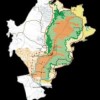
SOUTH AMERICA: Clear Water – Mercosur’s Underground Treasure
Invisible beneath a vast area of Argentina, Brazil, Paraguay and Uruguay, the Guaraní Aquifer is one of the world's largest reserves of freshwater. Despite supplying water to millions of people, it is neither contaminated nor overexploited.ARGENTINA: Sweeping the (Garbage) Problem Under the Rug
To live up to the "Zero Garbage" law that went into effect in 2006, the volume of waste ending up in landfills in the Argentine capital was to be significantly reduced every year, with the ultimate aim of eradicating landfills by 2020. But environmentalists are skeptical that the goal will be reached.« Previous Page — Next Page »





The Week with IPS

NEXT STOP - SDGs
Tracking global progress towards a sustainable world
Tracking global progress towards a sustainable world
