Languages
Wednesday, October 14, 2026



News and Views from the Global South
LEBANON: The Lights Are Going Out in Beirut
Sporadic gunfire erupts, breaking the silence of the night. A few police cars speed up, heading east. Their lights flashing in the dark and their sirens echoing across the shanty neighbourhoods, they rapidly cross the run down metallic Basta bridge in the direction of the shootout.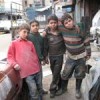
LEBANON: Children Get to Work Early
Walid is a wide-eyed boy of 10. His frail figure, of the kind common in such poverty-stricken areas, seems smaller than for a child his age. His hands are covered in dirt and paint. Here, in Ard Jalloul (the land of Jalloul), located in the populous Tarik Jdideh neighbourhood of Beirut, he works as a painter from 8am to 6pm for 7 dollars a day.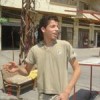
LEBANON: Peace Brings No Joy to Children
Over the years, Lebanese children have faced war and bombings enough to make violence a staple in their lives. With the situation becoming increasingly volatile as Lebanese factions are gripped by a lasting and deadly discord, this vulnerable population is left at greater risk.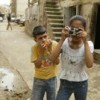
LEBANON: Children Look At The Brighter Picture
On the outskirts of Beirut, narrow alleyways cut through the Chatila Palestinian refugee camp. A maze of electricity cables connect one concrete block and another. Sewage pours continuously through a small grey construction, filling the street with nauseating stench.LEBANON: This Assassination Could Change the Region
For many in the Middle East, politics is essentially a matter of converging interests - and the life and death of Imad Fares Moughnieh is no exception. His assassination in Syria has resonated across the borders of Lebanon, Syria and Iran.LEBANON: Internal Conflict in Chilling Rise
The year 2000 heralded the end of Israel's occupation of Lebanon, with the exception of the much disputed enclave of the Shebaa Farms, located at the country's southern western tip between Israel and Syria. Since then, concern over Hezbollah's new role has been in the political spotlight, leading to a continuous rise in tensions, especially following the 2005 assassination of former prime minister Rafik Hariri.LEBANON: Survived, Now Let the Show Go On
A bomb tears through the bustling Chevrolet area on the outskirts of Beirut. Bad news travels fast: Captain Wissam Eid from the Internal Security Forces has been killed in the blast. This is a typical day for Lebanese citizens.LEBANON: Palestinians Rush for Confirmation They Exist
The Palestinian Liberation Organisation headquarters in the posh neighbourhood of the now closed Summerland Hotel in Beirut is buzzing with activity. A few men in black, Kalashnikovs firmly in their hands, guard the entrance to the elegant building. A handful of veiled women and older men carrying papers scurry past them up the stairs to the PLO offices.CHALLENGES 2007-2008: Lebanon Confronts Its Seven Deadly Plagues
This year, Lebanon has witnessed a series of unfortunate events. With demonstrations, street confrontations, rising religious tensions, assassinations, an internal war, economic recession and a looming political crisis that has resulted in a power vacuum at the head of state, Lebanon has faced its own seven deadly plagues.MIDEAST: They Do Not Exist, And That Is Official
In the maze of dirty streets that spreads from Beirut's revamped Sport City to the shabby Halabi quarters, 20,000 refugees are clustered in what is known as the Bourj al-Barajneh Palestinian camp. In a town plagued by poverty, many families live in complete destitution.LEBANON: Democracy Begins to Agree on a General
As the constitutional clock ticks away the last few hours of Emile Lahoud's presidential term, Lebanon faces its worst political deadlock since the end of the civil war.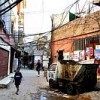
LEBANON: Violent Politics Play Out in Packed Refugee Camps
On the edge of Beirut's suburbs lies Bourj al-Barajneh, a Palestinian enclave located at the heart of a Shiite neighbourhood, traditionally the domain of Iran-backed Hezbollah. Here, 17,000 Palestinian refugees are amassed on a minuscule swath of land, co-existing in a fragile truce among run-down buildings and muddy streets.« Previous Page





The Week with IPS

NEXT STOP - SDGs
Tracking global progress towards a sustainable world
Tracking global progress towards a sustainable world
