Languages
Sunday, November 15, 2026



News and Views from the Global South
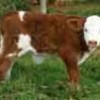
Brazil Awaits New Clones in 2002
Vitoria was the first calf to be cloned in Brazil, but she will not be the last. At least six university research centers are working on cloning calves - any one of which could be born within the next few months as part of efforts to improve productivity in the agricultural sector.
Ice at Large
Icebergs are the frosty residents of Earth's enormous oceans. These pieces of glaciers float as they please and are the result of a fascinating - and occasionally dangerous - natural phenomenon.Ecobreves – BRAZIL: Recycle Those Tires
Brazilian industry this year must recycle a quantity of tires equivalent to 25 percent of the 45 million produced in this country, according to a resolution of the National Environmental Council (CONAMA), a rule that took effect January 1.Ecobreves – VENEZUELA:: Shortage of Environmental Rangers
The 40 agents of the national corps of "animal rangers" in Venezuela are not enough to protect the nation's endangered species, warns the director of the Environment Ministry's Fauna Division, Mirna Quero.Ecobreves – CHILE: Gas Stations Under Scrutiny
The Superintendent of Electricity and Fuels in Chile has begun a detailed audit of the country's gas stations in an effort to ensure that quality is in keeping with the standards set by anti-pollution laws.Ecobreves – CUBA: Repopulating Species Harmed by Hurricane
Cuban experts are awaiting help from foreign institutions to save more than a dozen species that were thrashed by Hurricane Michelle last Nov 4 at the Cienfuegos Botanical Garden, 336 km from Havana
Giants of the Sea
Whales have captured the imagination of humans since time immemorial. Their size - truly colossal - leaves no room for doubt: whales are a wonder of nature.Ecobreves – BRAZIL: Environment the Focus of Film Fest
Some 110,000 dollars in prizes will be awarded at the third International Festival of Environmental Film and Video, June 13-17, in the central Brazilian city of Goiás Velho.Ecobreves – PERU: No Cable Cars
The Peruvian government has revoked a permit granted last year to an international company to build and operate a cable car system in the archeological sanctuary of Machu Picchu, due to the environmental impact implied by an increased flow of tourists.
Cotton Added to List of Argentina's Transgenic Crops
A cottonseed that is resistant to the controversial glyphosate herbicide is fueling ''transgenic fever'' in Argentina.
The World Wide Web of Life
Havana, Cuba, and Turin, Italy, are the headquarters for World Environment Day celebrations this year. Cuba is wrapping up its preparations for the festivities, which include awareness campaigns running from one extreme of the island to the other.Smog-Related Illnesses
Smog, a term derived from the words ‘’smoke’’ and ‘’fog’’, consists of a mixture of pollutants in the Earth’s lower atmosphere. Two of the primary contaminants found in smog are ground-level ozone and air-borne particulate matter.Saving Water
Water is one of humanity’s most valuable natural resources. But despite the fact that most of our planet is covered by water, 97 percent is salt water, and most of the rest is frozen at the poles – which means we should not allow fresh water to be wasted.Ecobreves – ARGENTINA: Identification for Transgenic Foods
Officials in San Carlos de Bariloche, a city in southern Argentina, decreed this month that foods produced with genetically modified material must be identified as such.Ecobreves – VENEZUELA: Concern for Indigenous Peoples
The Venezuelan government is to study the impact of a power line construction project extending from Venezuela into northern Brazil on the customs and lifestyles of the indigenous communities of the southeastern Great Savannah.
No Water South of the Río Bravo
Mexico will have to spend approximately 1.5 billion dollars over the next five years to maintain the water supplies of cities and farmland bordering the United States.
Santiago Seeks Clean Air
1.6 million automobiles are responsible for 53 percent of the Chilean capital's air pollution.
Strengthening the Shared Eco-Agenda
It is crucial to fortify the common agenda of Latin America and the Caribbean with sights on the Rio+10 Summit in South Africa next year, stresses Cuba's Minister of Science, Technology and Environment, Rosa Elena Simeón.
Savage Beauty
Orchids boast a profound beauty - which seems to originate at the beginning of time. In fact, according to data circulating on the always-well-informed Internet, orchids have been around for at least 120 million years.Livestock in the Time of Foot-and-Mouth Disease
''It was agony. To go out to the pastures and not see even one animal… it was dreadful, it was as if a hurricane had struck,'' said a rancher in Uruguay, a nation at war against a disease that is threatening one of its crucial economic resources.
The Year of Indigenous Venezuelans
New laws and development projects that take effect this year are target 28 native communities in an attempt to protect their rights and cultures.« Previous Page — Next Page »


The Week with IPS

NEXT STOP - SDGs
Tracking global progress towards a sustainable world
Tracking global progress towards a sustainable world
