Languages
Wednesday, October 7, 2026



News and Views from the Global South
BIODIVERSITY: Scientists Build a Macroscope of Life on Earth
Imagine looking at a Google Maps-like satellite image of the Amazon forest and with a mouse click find out what lives in that bit of forest - what tree and plant species are there, what animals, birds and insects.
“I Hope We Are Civilized When Climate Disaster Hits”
"It's like the pre-World War II calm," says British scientist James Lovelock in describing the human situation and lack of action to adapt to global climate change.CLIMATE CHANGE: More Subsidies for Fossil Fuels in Recovery Plans
Despite the economic slow down, growing numbers of world leaders are calling for urgent action on climate change while many governments used their economic stimulus packages to increase subsidies to the fossil fuel industry.ENVIRONMENT: Extraordinary Abundance of Life in Oceans Past
Imagine large pods of mighty blue whales and orcas darkening the waters off Cornwall, England, while closer to shore blue sharks and thresher sharks chase herds of harbour porpoise and dolphins.
BIODIVERSITY: Alien Species Eroding Ecosystems and Livelihoods
Continent-hopping alien species are worsening poverty and threaten the agriculture, forestry, fisheries and natural systems that underpin millions of livelihoods in developing countries, warn biodiversity experts.ENVIRONMENT: Deep CO2 Cuts May Be Last Hope for Acid Oceans
Ocean acidification offers the clearest evidence of dangers of climate change. And yet the indisputable fact that burning fossil fuels is slowly turning the oceans into an acid bath has been largely ignored by industrialised countries and their climate treaty negotiators, concluded delegates from 76 countries at the World Oceans Conference in Manado, Indonesia.
CLIMATE CHANGE: Snow Cover Turning to Lakes in the Himalayas
As climate change takes hold, even the mighty Himalayas and Hindu Kush mountain ranges are now losing their snow and ice.
AGRICULTURE: Foreigners Lead Global Land Rush
More than 20 million hectares of farmland in Africa and Latin America are now in the hands of foreign governments and companies, a sign of a global "land grab" that got a boost from last year's food crisis.
Foreigners Lead Global Agricultural Land Rush
Corporations and governments with financial resources to spend are buying up agricultural land in poor countries as a means to ensure food and energy supplies.CLIMATE CHANGE: Two-Degree Rise Ever More Likely, Scientists Warn
Climate scientists are calling for a phase-out of fossil fuels because humans are now pumping so much carbon dioxide (CO2) into the atmosphere that the '2-degree-C climate balloon' will burst otherwise, new studies show.
RIGHTS: Indigenous Wisdom Against Climate Change
While industrialised countries like Canada continue to emit ever-higher levels of greenhouse-effect gases, indigenous peoples around the world are working to survive and adapt to an increasingly dangerous climate.
CLIMATE CHANGE: Burden Lies with Rich Polluters, Native People Say
Already suffering significant impacts from climate change, indigenous peoples at the close of an international summit here rejected the concept of carbon trading and offsets. Many also called for a moratorium on all new oil and gas exploration in their traditional territories and the eventual phase-out of fossil fuels.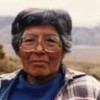
Indigenous Wisdom Against Climate Change
Native peoples, with their ancestral links to the land, have learned some useful lessons over the millennia about how to fight and adapt to climate change.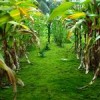
CLIMATE CHANGE: Native Peoples Sound Dire Warning
Humanity's hot carbon breath is not just melting the planet’s polar regions, it is disrupting natural systems and livelihoods around the world, indigenous people reported this week at a global meeting on climate change in Anchorage, Alaska.ENVIRONMENT: Indigenous Peoples Demand Greater Role in Climate Debate
While indigenous peoples from around the world are meeting in this Alaskan city to seek a greater role in global climate negotiations, the rapidly warming Arctic is forcing some Inuit villages to be relocated.
Indigenous Peoples Demand Greater Role in Climate Debate
Indigenous organizations and communities want their voices heard in the international negotiations on how to deal with climate change.ENVIRONMENT: Earth’s Arctic Freezer Turning Into Hothouse
The world is losing its northern freezer as Arctic winter ice is in sharp decline, NASA scientists reported this week. Even with below average winter temperatures, Arctic ice is thinner and covers less area than it did a decade ago.CLIMATE CHANGE: Farming Could Be Friend or Foe
Don't forget about agriculture in the upcoming global negotiations to combat climate change, experts warn. Not only is farming most at risk in an increasingly variable and tempestuous climate, it is also a major emitter of greenhouse gases.
ENVIRONMENT: Can Ecotourism Be More Than an Illusion?
More than ever before, global tourism must play its part in sustainable development and poverty alleviation, stated experts at an international symposium in this Canadian city.
Can Ecotourism Be More Than an Illusion?
Tourism has a paradox at its core: it has revealed natural wonders that humanity realizes it cannot allow to disappear, but at the same time humanity has put those very natural wonders in danger, say experts.CLIMATE CHANGE: In Search of a Green Economic Stimulus
The high-level scientific climate conference that concluded last week in Copenhagen warned that humanity is rapidly approaching an irreversible, 1,000-year-long climate catastrophe.« Previous Page — Next Page »





The Week with IPS

NEXT STOP - SDGs
Tracking global progress towards a sustainable world
Tracking global progress towards a sustainable world
