Languages
Friday, October 9, 2026



News and Views from the Global South
Senior Management Heads Roll at World Body
As Secretary-General Ban Ki-moon continues his search for a new team of senior managers for his second five-year term in office which began Jan. 1, two more heads have rolled at the world body.War Crimes Immunity for Ousted Leaders Under Fire
As ousted political and military leaders in the Middle East continue to seek immunity from war crimes prosecutions, the United Nations and international human rights groups are taking an increasingly tough stance against such legislation in Yemen, Egypt, and possibly in a post-conflict Syria.U.N. “Outraged” at Sexual Abuse by Peacekeepers in Haiti
The Caribbean nation of Haiti, still struggling to recover from the devastating 2010 earthquake, is once again trying to cope with the sexual abuse of minors by U.N. peacekeepers - for the third time in five years.U.N. Predicts One Billionth Tourist Arrival in 2012
The United Nations, which commemorated the birth of the world's seven billionth baby last October, is predicting the arrival of the one billionth tourist later this year - perhaps in Europe, the United States, South America or Asia.How the U.S. Manipulates Key U.N. Appointments
When Secretary-General Ban Ki-moon announces his new team of senior officials shortly, his appointments will be based not only on merit but also on demands made by the five big powers - the United States, Britain, France, China and Russia - as well as key donors who sustain U.N. agencies through voluntary contributions.Egypt Follows Israel, Eyeing U.S. Aid Without Pre-Conditions
The United States, the largest provider of military aid to Israel, has rarely, if ever, succeeded in using its leverage to get the Jewish state to abandon its continued repression of Palestinians or halt illegal settlements in occupied territories.A Second-Term U.N. Chief Says His Convictions Remain the Same
As Ban Ki-moon launched his second-five-year term as U.N. secretary-general last week, the international community remained focused on a rash of unresolved political problems: war crimes charges in Libya and Syria, human rights violations and civilian killings in Bahrain and Yemen, continued Israeli political repression in the occupied territories, and the threat of a new nuclear weapon state in the Middle East.Facing Budget Cuts, U.N. Readies for Austerity in 2012-13
Weighed down by a 260-million-dollar cut in its budget for 2012-2013, the United Nations is bracing itself for a major austerity drive, including possible layoffs, salary freezes, reduction in official travel and drastic cuts in printed documents.Despite Initial Euphoria, Palestine Remains Grounded at U.N.
When Palestinian President Mahmoud Abbas addressed the 193- member General Assembly in September, the rapturous welcome he received implicitly indicated the vibrant support for U.N. recognition of Palestine - if not in the Security Council, at least in the organisation's highest policy making body.U.N. Chief Will Pick New Team to Usher in Second Five-Year Term
When U.N. Secretary-General Ban Ki-moon took office in January 2007, one of his first announcements was to call for the resignation of all senior high-ranking officials so that he could pick his own team of players.
Security Council Remains Grounded by Political Manipulation
When Russian Ambassador Vitaly Churkin briefed reporters recently, he offered some biting criticisms of the growing political manipulation of the most powerful body at the United Nations: the 15-member Security Council.
U.N.’s First Official Report on Gays Notes Widespread Bias
In its first-ever official report on the rights of lesbian, gay, bisexual and transgender (LGBT) people, the United Nations confirms there is widespread discrimination based on sexual orientation or gender identity in "all regions" of the world.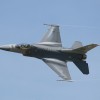
Soviet-Armed Iraq Switches Allegiance to U.S. Weapons Systems
As the United States withdraws the last of its 50,000 troops after a nearly nine-year military occupation of Iraq, visiting Iraqi President Nuri al-Maliki had one final request: billions of dollars worth of U.S. weapons for his ragtag armed forces.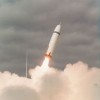
MIDEAST: Saudi Warning Could Escalate Nuclear Arms Race
The world's nuclear powers - both declared and undeclared - have come primarily from Asia: China, India, Pakistan and possibly North Korea.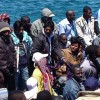
False Perceptions Underpin Anti-Migrant Sentiments
The rising tide of anti-migrant sentiment worldwide is caused primarily by the biased, polarised and negative debate on migration, according to a new study released here.
US-EU: Economic Crisis Threatens Global Recession, U.N. Warns
The United Nations Thursday reaffirmed a lingering fear haunting Western capitals: the world economy is teetering on the brink of another major downturn and heading towards a global economic recession.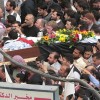
Syrian Leader Survives on Unrelenting Russian-Chinese Support
Bashar al-Assad, Syria's beleaguered president, has openly defied the Western world, succeeded in splitting the United Nations Security Council and fractured the League of Arab States - even as it imposed unprecedented economic sanctions against his embattled country.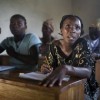
Global Fund for Education Gathers Momentum
If the international community can successfully raise billions of dollars to fight deadly diseases, why not a similar fund to promote education, asks Gordon Brown, former British prime minister.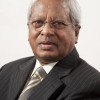
EDUCATION: Bangladeshi Humanitarian Wins Half-Million Prize
A Bangladeshi humanitarian with a British knighthood - and head of one of the world's largest non-governmental organisations (NGOs) promoting the cause of education - walked way with half a million dollars in prize money and a gold medal at the World Innovation Summit for Education (WISE) in the Qatari capital of Doha.
Q&A: Doha Summit to Boost Education on World’s Political Agenda
As digital technology begins to spread across classrooms the world over, the United Nations says the next generation of children will be educated far differently from their counterparts in the past.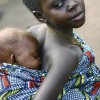
Seven Billion People, Seven Billion Possibilities, Says UNFPA
When Adnan Nevic was born in Bosnia-Herzegovina back in October 1999, he was hailed as the world's six billionth person, triggering a visit to Sarajevo by then Secretary- General Kofi Annan.« Previous Page — Next Page »





The Week with IPS

NEXT STOP - SDGs
Tracking global progress towards a sustainable world
Tracking global progress towards a sustainable world
