Languages
Saturday, October 24, 2026



News and Views from the Global South
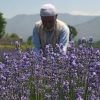
Wrecked by Climate Change, Farmers in Kashmir Shift to Lavender Cultivation
Mohammad Subhan Dar diligently tends to some bright purple plants on a four-acre farm in Bijbehara, a hamlet south of Kashmir’s capital, Srinagar. As you draw nearer, you’ll be mesmerized by the sight of sprawling lavender fields, where about 10 to 15 farmers, including Dar, prepare for a promising harvest.
Elevating Farmers’ Income Through Organic Poultry Rearing
Even after toiling hard for an entire year, Shivaji Rao, a 37-year-old farmer, would find it hard to cover the basic expenses of his family. He cultivates maize from his one-and-a-half-acre land in India’s Southern State of Telangana.
Empowering Women in Assam: Livestock Farming Brings Economic Relief Post-COVID
Seema Devi is a 39-year-old woman hailing from India's northeastern state of Assam. She lives in a village called Milonpur, a small hamlet with no more than 1 000 inhabitants. While most men from the village, including Devi's husband, move to cities and towns in search of work, women are left behind to take care of the house and kids.
Quest for Safe Water in One of India’s Most Isolated Villages
Simita Devi spent over ten days in a government-run hospital a year ago anxiously watching her critically ill nine-year-old daughter, Gudiya, who was diagnosed with typhoid. Gudiya was so sick she even went into a coma for a day. Medical staff attending to the child said she contracted the disease from drinking contaminated water.
Massive Fish Mortality Strikes Kashmir’s Lake, Threatens Livelihoods
Abdul Lateef Dar, a 45-year-old man living on the outskirts of Kashmir's renowned Dal Lake, relies on the lake's fish for food and income.
Indian Christians Seek Equal Rights for Dalit Converts
Renuka Kumari is a 45-year-old Christian woman from the Dalit community in India's northern state of Uttar Pradesh. She faces numerous challenges every day and hopes for a day when her struggles will end and she can lead a comfortable life.
How Innovative Farming Rescues Crises-Stricken Farmers in This Indian Village
The South Indian State of Karnataka has been reeling for the past three years—the late arrival of monsoons, the surging temperatures, and drastic changes in the weather patterns are putting the state’s farmers in dire straits.
India’s Extensive Railways Often Conduit for Child Trafficking
Deeepti Rani (13) lives with her mother in a dilapidated dwelling near a railway track in India’s southern state of Karnataka. The mother-daughter duo sells paperbacks on trains for a living.
Indian Village Unlocks Treasure of Organic, Indigenous Farming
At Jhargram, a far-flung village in India’s West Bengal state, a group of farmers sit together in one of the open fields. They debate, deliberate, and confabulate about the marketing strategy they should use when selling their harvest on the open market.
Hard Hit By Climate Change, Villagers Raise a Forest on Their Own
Some ten years ago, Sheemanto Chatri, a 39-year-old farmer hailing from India's northeastern state of Meghalaya, was reeling with distress. The unseasonal rainfall had washed away all the crops he had cultivated after year-long labor in his far-off hamlet.
Soaring Temperatures Devastate Kashmir Farmers
The soaring temperatures this year in India’s northern state of Kashmir are proving calamitous for the region’s farming community. The place, otherwise known for its emerald streams, lush green hills, and ice sheets, is reeling under heat attributed to climate change this year. The heat wave of such intensity has left most of the water canals dead and dry, plunging the already conflict-torn region into a frightening agrarian crisis.
India’s Second COVID-19 Wave Shatters Livelihood Hopes of Poor Migrant Labourers
Last month, in the midst of New Delhi’s coronavirus lockdown, 37- year-old labourer Prakash Kumar wanted to return to his rural home in India’s northern state of Uttar Pradesh. But instead of travelling the usual few hours by bus, Kumar had to journey for three days.
Seeing Through the Smog: Can New Delhi Find a Way to Limit Air Pollution?
Ankita Gupta, a housewife from south Delhi, is anxious about whether she should send her 4-year-old daughter to kindergarten. Outside visibility is poor as smog — a combination of emissions from factories, vehicle exhausts, coal plants and chemicals reacting with sunlight — has settled over the city, surpassing dangerous levels.
For Some in Kashmir Marriage Equates to Sexual Slavery
Haseena Akhtar was only 13 when an agent told her parents that they could earn a good amount of money by letting her marry a Kashmiri man. The man was, however, three times older than Akhtar, the agent said.
50 Days of Kashmir Under Lockdown – in Pictures
It is 50 days into the lockdown in Kashmir since roads were blocked off, schools shut, and internet and communication services stopped.
As Fathers Die, Kashmir’s Children Become Breadwinners
Mubeen Ahmad was nine years old when his mother sold him into service to a mechanic for the petty sum of few thousand Indian rupees. His mother had found it hard to support the family after his father, a labourer, was killed during one of the anti-India protests in Jammu and Kashmir in 2008.
Kashmir’s Fisherwomen Live Between Hope and Despair
Much has changed since Rahti Begum, a fisherwoman in Kashmir, now in her late 60s, first began wandering the streets with a bucketful of fish on her head. She was 17 when her father roped her into the business that became the source of her livelihood for the remainder of her life.
Kashmir’s Farmland Plowed Under in Wave of Urbanization
In central Kashmir’s Ganderbal district, 40-year-old Javaid Ahmad Hurra remembers vividly how his small hamlet used to be lush and green when he was a child. It is now subtly turning into a concrete jungle, with cement structures dominating the scenery.« Previous Page





The Week with IPS

NEXT STOP - SDGs
Tracking global progress towards a sustainable world
Tracking global progress towards a sustainable world
