
Sunday, November 29, 2026



News and Views from the Global South
Environment
Ozone Linked to Lung Cancer
A scientific team led by Brazil is investigating the effects of a gas emitted by vehicles, revealing a potential new nightmare for mega-cities.DEVELOPMENT: Report Urges ACP Countries to Care for Environment
African, Caribbean and Pacific countries must conserve their natural resources if they are to achieve poverty reduction, says a new report co-authored by members of the Nigerian and European Parliament.SOUTH ASIA: Neglect of Sanitation Still Killing Children
''Think of it as 20 jumbo jets full of children crashing every single day,'' said Ravi Narayanan, referring to the estimated 6,000 children worldwide who die daily of diseases related directly to the absence of sanitation.DEVELOPMENT-BOTSWANA: Tourism May Save the San from Cultural Extinction
The government of Botswana's decision to permit the San, or the Bush People, to have a say in how their lands are developed by tourism industry, is an indication of the changing nature of tourism development in the region.ENVIRONMENT: Firms Ignore Climate Change at Their Own Risk
Many of the world's biggest carbon dioxide polluters are not adequately reporting on the financial risks posed by climate change, according to a new study by a coalition of environmental, investor and advocacy groups.ENVIRONMENT: Gov’t Transparency Key to Defending Resources
A major new report calls for a strengthening of the right to information - for the sake of the environment.ENVIRONMENT-BRAZIL: Bugs in the Farm Business
Insects, like viruses and other microorganisms, have turned into merchandise with a growing presence in international trade as they are increasingly used as a means to control agricultural pests.ENVIRONMENT-CHILE: ‘La Niña’ Forecast Ignites Energy Debate
The spectre of electricity rationing in Chile in 2004 to offset the effects of drought associated with the weather phenomenon known as "La Niña" has reopened the debate over energy policy and its environmental impacts.ENVIRONMENT: Italian Energy Runs out of Wind
Energy from wind is picking up around the world, but slowing down in Italy.Peasant Farmers Step Up Efforts to Obtain Land
Tension between peasant farmers and large landholders is on the rise in Brazil, where a landless workers’ organization is demanding land for some one million families by 2006. Leftist President Lula is making no concrete promises.In Search of Columbus’ Bones
"Our verdict will be irrefutable," the leader of the scientific team searching for the final resting place of the man credited with discovering the Americas told Tierramerica.“La Nina” Ignites Energy Debate
A debate about diversifying Chile’s sources of energy has been ignited by fears that a La Nina-spawned drought could lead to rationing of electricity.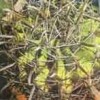
Peyote
Peyote, a bitter plant containing some 60 different alkaloids, has been revered as sacred by many indigenous Mexican cultures throughout the centuries. Today, however, the plant is far better known for the hallucinogenic effects it produces once ingested.Ecobreves – CHILE: The Goodness of Copper
Copper has more than 25 biological functions vital to the development of the human being, a new book published here says.Ecobreves – CUBA:: Out in the Sun
The government of Cuba plans to use solar energy to provide electricity to 20,000 homes over the next five years, many of them in rural areas that are not connected to the national grid.Ecobreves – VENEZUELA:: Protecting the Caura River Basin
A nine million dollar plan to protect the southeast Caura River basin in Venezuela, with backing from the United Nations Development Program (UNDP), has been approved by the Global Environment Facility of the World Bank.Ecobreves – HONDURAS: The Poor Are Relegated to the Hillsides
Some 2 million Hondurans, one-third of the total population, live in extreme poverty on the country’s hillsides.Ecobreves – PANAMA: Critics Lambaste Environmental Law
Panama’s new environmental law "grants polluters the right to contaminate and disparages the principle of environmental crime prevention," said the Association to Promote New Development Alternatives (APRONAD).Ecobreves – GUATEMALA: Guatemalans to Learn about Genetic Forestry
Experts from the United States and Guatemala will offer a course in genetic forestry seeking to train some 80 Guatemalans in the use of improved seeds utilized in reforestation programs.ENVIRONMENT: EU Draws Closer to U.S. over Biotech Foods
New genetically modified foods may be sold in the European Union for the first time, bringing the 15-nation grouping a step closer to ending a trade row with the U.S.ENVIRONMENT: EU Launches Sustainable Trade Forum
The European Commission has launched a Sustainable Trade Forum, which will allow civil society groups to voice their concerns over growing market pressures.« Previous Page — Next Page »


Through our global network of local writers, we are continuing our award-winning coverage of global and local environmental challenges, with a focus on the people for whom the ecosphere matters in a direct way: rural dwellers who have little means to protect themselves against adverse conditions; communities that need to switch to sustainable development in order to survive; poor women and children, who are the most vulnerable in natural disasters. Sponsored by the United Nations Environment Program (UNEP), the United Nations Development Program (UNDP) and The World Bank (WB), IPS also maintains the award-winning Tierramérica, a specialised information service on environment and development.

The Week with IPS

Tracking global progress towards a sustainable world


