
Sunday, November 29, 2026



News and Views from the Global South
Environment
ENVIRONMENT-BANGLADESH: Dhaka’s Green Spaces are Shrinking
Once the bustling capital of Mughal Bengal and lavishly embellished with the lush gardens so beloved of the Mughal emperors, Dhaka today is seeing the steady destruction of its parklands and green spaces.ENVIRONMENT-GEORGIA: Court OK’s Lawsuit Against Troubled Pipeline
A lawsuit to halt a controversial 3-billion-dollar oil pipeline in the former Soviet republic of Georgia overcame its first major hurdle, with a Georgian district court granting an environmental group the right to sue the country's government for approving the Baku-Tbilisi-Ceyhan (BTC) project.ENVIRONMENT-CENTRAL AMERICA: If the Jaguar Is Silenced
When the jaguar roars, silence invades the jungle. But that roar is itself in danger of being silenced as increased hunting and a reduction in forest cover in Central America threaten the continued existence of this elusive predator.POLITICS-U.S.: Washington Lends Muscle to Besieged Colombian Pipeline
The George W. Bush administration is planning to significantly expand U.S. commitments in Colombia, with a 2004 budget request for up to 147 million dollars to protect a private oil pipeline in the South American country.U.S.: Fast Food Giant’s Move Throws Light on Antibiotics Overuse
Watchers of the fast food industry say a move by mega-company McDonald's to pressure its suppliers to phase out most antibiotics from their farms by the end of next year could signal a major awakening to the problem of antibiotics overuse.ENERGY-SAO TOME AND PRINCIPE: Oil Raises Hope, Fear
The discovery of oil in the rugged and forested islands of Sao Tome and Principe has raised both hope and fear in the former Portuguese colony located off the west coast of Africa.
Isolated Indigenous Groups Face Extinction
Native South Americans shunning contact with “civilization” are facing cultural genocide, warns a top United Nations official.Farmers Rescue Native Potato
Seven farming communities in Peru are trying to revive cultivation of original varieties of potatoes, knowledge of which is in danger of being lost.
If the Jaguar Vanishes
The rare sight of a jaguar moving stealthily through the jungle is a good indication that the forest is a healthy one, for without this frightening animal, the jungle’s ecosystem is not as it should be.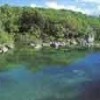
The Well
Natural wells are sacred to today’s Maya as they were to their ancestors. Tradition holds that the water in these wells were “virgin or pure” because they never came in contact with light.Ecobreves – PERU: More Precise Weather Forecasts
The first regional weather forecasting system in Peru will begin operating in July, providing assistance to the Agriculture Ministry, the National Meteorology and Hydrology Service and the International Potato Center (CIP).Ecobreves – URUGUAY: The Environment Takes a Bus Ride
Buses in the Uruguayan capital are providing a moving theatre for an environmental message, spreading the word about the value of potable water, biodiversity, and promoting active participation in environmental affairs.Ecobreves – ARGENTINA: PCB Spills Alert
An increase in spills of polychlorinated biphenyl (PCB), a toxic liquid used to cool large transformers, has put the Argentine population on full alert.Ecobreves – HONDURAS: Endangered Species Rescued
At least 12 endangered species of snakes have been bred at a center to rescue wildlife in peril operating here in the Honduran capital.Ecobreves – NICARAGUA: Alarm Over Damages to Lake Cocibolca
Lake Cocibolca, also called Lake Nicaragua, the main source of potable water in the country, is being contaminated by chemicals and organic material coming from the southwestern city of Granada, said Salvador Montenegro, director of the Center for the Study of Aquatic Resources (CIRA).Ecobreves – GUATEMALA: What? Coffee Crisis? … Plant Cocoa!
Agronomy students here are looking to cocoa to provide a substitute for coffee now that that industry is in a downturn. The students from San Carlos University are promoting cocoa cultivation on 10,000 hectares, 2,000 of which used to be in coffee.ENVIRONMENT-LATAM: Methyl Bromide on Its Way Out in Brazil and Cuba
Although they are major producers of tobacco, Brazil and Cuba are several years ahead of schedule in meeting the goals of curbing the use of methyl bromide, a pesticide commonly used on tobacco fields that damages the earth's ozone layer.ENVIRONMENT: Relief Sets in as Monsoon Keeps Date with India
Defying dire predictions of a wayward monsoon made by the meteorological department, India's life-giving annual rainy season seems well on track, bringing cheer to farmers and traders alike.ENVIRONMENT: Alien Plant Species Invade Southern Africa
Environmentalists are calling it "the invasion of the invasives." Non-indigenous plant species brought to Southern Africa are alarming conservationists by the way they are taking over the habitats of native plants and, in some cases, causing indigenous species to become endangered.ENVIRONMENT-JAPAN: Consumers Worried by Twin Threats to Seafood
Local fish stocks contaminated with toxins and a perilous drop in shellfish catches are signalling to millions of Japanese that their favourite food is in danger.HEALTH-TRINIDAD: Locals Battle International Gas Project
Michelle Mitchell-Dove complains about the loud noise, the vibrations in her house and the black smoke. She points to children in the village who have skin rashes, respiratory problems and allergies.« Previous Page — Next Page »


Through our global network of local writers, we are continuing our award-winning coverage of global and local environmental challenges, with a focus on the people for whom the ecosphere matters in a direct way: rural dwellers who have little means to protect themselves against adverse conditions; communities that need to switch to sustainable development in order to survive; poor women and children, who are the most vulnerable in natural disasters. Sponsored by the United Nations Environment Program (UNEP), the United Nations Development Program (UNDP) and The World Bank (WB), IPS also maintains the award-winning Tierramérica, a specialised information service on environment and development.

The Week with IPS

Tracking global progress towards a sustainable world


