Languages
Friday, November 20, 2026



News and Views from the Global South
Armed Conflicts
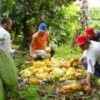
COLOMBIA: The Farmers Who Abandoned Coca for Cocoa
Chocaguán Amazónico, a small peasant-run alternative crop company that emerged in the midst of Colombia's cocaine boom and civil war, will celebrate its 15th birthday in September.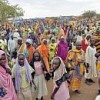
SUDAN: Civilians Under Siege in Refugee Camps
A report by the United Nations that the Sudanese Air Force bombed northeastern Chad near a refugee camp has sparked strong condemnation from the Save Darfur Coalition (SDC) following military and paramilitary attacks over the past week.POLITICS: Economic Crisis Making for More Unstable World
The world has become a slightly more dangerous place in the past year, said the new Global Peace Index (GPI) released Tuesday, which points to the economic crisis as the main factor.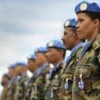
POLITICS: U.N. Women Peacekeepers in Short Supply
Even as U.N. peacekeeping operations in the world’s battle zones continue to expand, women soldiers, police and civilian support staff remain a small minority – something that sorely needs to change, U.N. officials say.RIGHTS: Historic Court Under the Spotlight in New Film
The International Criminal Court has struggled since its inception to realise its core mandate to prosecute the world’s worst human rights offenders, putting on trial propagators of genocide, war crimes and the inductors of child soldiers into civil conflict.POLITICS-US: Implementing Af-Pak Strategy Is the Hard Part
With the strategic review for U.S. goals in Afghanistan and Pakistan now complete, the administration of President Barack Obama must shift to the more difficult task of choosing and – even more daunting – implementing policies that seek to quell the militant insurgencies in both countries, says a new report from a think tank here known to be close to the administration.SRI LANKA: Preparing For a New Chapter of Development
As Sri Lanka prepares for a new chapter of development after ending nearly three decades of conflict, ecologists among other experts here are calling for a ‘green’ revolution against the usual foreign investment, private sector-driven type of progress.SRI LANKA: U.N. Urges Focus on Relief and Reconciliation
A United Nations team including Secretary-General Ban Ki-moon returned from a trip to Sri Lanka Tuesday, where they met with government leaders and inspected the battered conflict zones and refugee camps.COLOMBIA: Security Bought at a Terrible Price, Report Warns
Colombia’s government must urgently address human rights abuses to enhance its security policy and bring lasting peace to the country, says a new policy brief by the International Crisis Group (ICG).
U.S.: "There's No Way I'm Going to Deploy to Afghanistan"
"It’s a matter of what I’m willing to live with," Specialist Victor Agosto of the U.S. Army, who is refusing orders to deploy to Afghanistan, explained to IPS. "I’m not willing to participate in this occupation, knowing it is completely wrong."SRI LANKA: U.N. Probes Civilian Deaths as Guns Fall Silent
The Sri Lankan government, which has claimed military victory against a 26-year-old brutal insurgency in the country's northern and eastern provinces, will be battling charges of violating humanitarian law at a special session of the U.N. Human Rights Council (HRC) in Geneva next week.
Q&A: “Gaza Will Not Be Sidelined”
Six months after Israel's devastating air and ground assault on the Gaza Strip, Ambassador Riyad Mansour of the Palestinian Observer Mission to the United Nations says he will "keep up the pressure on all fronts until the perpetrators of these crimes are held accountable and reparations are made by Israel".SRI LANKA: What’s Next For the Tamil Community?
Nearly three decades of war ended in Sri Lanka last week and a victorious President Mahinda Rajapaksa has extended a fresh hand of friendship to the minority Tamils, but most members of this community feel it will take a long time for the wounds to heal after years of mistrust and alienation.PAKISTAN: U.S. to Aid Civilians Fleeing Embattled Swat Valley
U.S. Secretary of State Hillary Clinton announced the provision Tuesday of 110 million dollars in humanitarian aid to assist the mounting number of internally displaced persons (IDPs) in Pakistan.
ENVIRONMENT: When Conservation Bumps Up Against Conflict
Driving through Tijuana and long stretches of northern Baja, conservationist Zach Plopper loves his job but hates the commute.SRI LANKA: Military Conflict vs. Propaganda War?
The Sri Lankan government, which has come under heavy fire for the massive humanitarian crisis in the country's war zone, is winning the 25-year-old military conflict but is on the verge of losing the propaganda war overseas.SRI LANKA: Trade Partners Considering Economic Pressure
The United States, joined by the UK, France and other EU states, are stepping up economic pressure on Sri Lanka to stop killing of civilians during ongoing battles with Tamil guerrillas in the North. The countries are planning on using a proposed IMF bailout package and trade concessions as bargaining tools.DR-CONGO: U.S. Congress Moving to Track “Conflict Minerals”
In an effort to stem the flow of money from mineral mines fueling the brutal civil war in the Democratic Republic of Congo, the U.S. Senate is pushing ahead with new bipartisan legislation that would force U.S. companies to track and disclose the country of origin of minerals used in common electronic products.
SRI LANKA: Intl Condemnation Mounts, Along With Body Count
As the humanitarian crisis in Sri Lanka takes a turn for the worse, U.N. Secretary-General Ban Ki-moon is sending one of his most senior officials to take stock of the situation in the war zone, where hundreds of civilians are being killed both by government and rebel forces.
RIGHTS-COLOMBIA: Victims of State Crimes Speak Out
In the midst of civil war and repression in San Vicente del Caguán, a municipality in southern Colombia, local communities and activists continue to hold forums to draw attention to human rights abuses. What keeps them going?NEPAL: Explosive Reminders of War
Eighteen army deminers are hard at work in the minefields of Wami Taksar in central Nepal. The deminers start out early in the morning, before the sun is too hot. They move meticulously from one mine to another, carefully excavating each one, and they take breaks to stay alert.« Previous Page — Next Page »


Armed conflicts are a sad constant on daily front pages worldwide. Wars, civil wars, revolts, coups, genocides, ethnic and political violence, and global terrorism capture our attention for the geopolitical landslides, human suffering, food crises and streams of migration that follow in their wake. As in times of natural disaster, man-made crises claim frequent casualties among the poor, women and children. IPS examines emerging and ongoing armed conflicts around the world with an eye on the underlying social and political dynamics, and special focus on the lived experiences of those most affected by armed conflict.

The Week with IPS

NEXT STOP - SDGs
Tracking global progress towards a sustainable world
Tracking global progress towards a sustainable world
