Languages
Thursday, September 24, 2026



News and Views from the Global South
Health
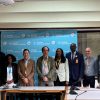
Strengthening One Health Approach in Agriculture Requires Cross-Sectoral Partnerships, Information
Increasingly, experts in the global health and agricultural sectors are finding the One Health approach effective for identifying and addressing health concerns that can influence facets of health. Implementing this approach worldwide will require partnerships across different sectors.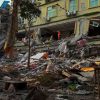
Myanmar Reels From Its Strongest Earthquake in Over a Century
The 7.7 magnitude earthquake that struck central Myanmar on March 28, marked the strongest earthquake the nation has experienced in over a century and the second deadliest in it’s history. The earthquake caused extensive damage in Myanmar and Thailand, with infrastructures in southern China and Vietnam also having been affected.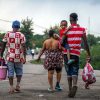
The Current Plight of Haitians: Interview with a Mason in the Dominican Republic
On March 18, the first plane with deportees from the US landed in Cap-Haïtien. Of the 46 passengers, 25 were convicted felons. Taking effect on April 24 the US Department of Homeland Security will revoke the temporary legal status of more than 210,000 Haitians. They had by the Biden administration been granted a safe haven, but all these Haitians are now expected to be deported back to a country immersed in a humanitarian crisis.
Healthy Beginnings, Hopeful Futures
Education is an essential investment in providing health to those left furthest behind. On World Health Day, we must connect the dots between education and health in humanitarian crisis settings. A child attending school gets vaccinations and healthcare, a nutritious meal and mental health and psychosocial services. By funding education, we optimize our investments to cover multiple sectors in one investment, such as health.
Trapped by Tradition: The Widows of Ukerewe and the Ritual They Cannot Escape
The night after her husband was laid to rest, 24-year-old Vivian Magesa sat in the dimly lit brick-walled house, surrounded by women from her late husband’s family. She had spent the past few days in mourning, wrapped in a white shroud, her head shaved as custom dictated. But as the hushed voices of her in-laws filled the room, Magesa realized her grief was far from over.
Putting People First: Why SRHR Must Be Central to Health and Development Agendas
As global leaders prepare to convene for the Commission on Population and Development (CPD) in New York, April 7-11, the world finds itself at a critical crossroads. We can either recommit to human dignity, equality, and justice—or risk unraveling decades of progress in global health.
World Autism Awareness Day 2025: Sustainable Development Must Include Neurodivergent Perspectives
In 2007, the United Nations (UN) General Assembly designated April 2 as World Autism Awareness Day (WAAD), in an effort to promote inclusion and human rights for autistic individuals. Much work has been done and pushed forward by autistic advocates to bring lived experiences to global discussions.
Make America Great Again? Not by This Administration
For most voters, to make America great again, as the 47th president has repeatedly pledged, meant to make the United States markedly superior globally. However, the administration’s actions, policies and program cuts will not improve but only worsen the US’s mediocre standing among advanced countries.
Hunger and Heightened Insecurity Pushes Sudan to the Brink of Collapse
After nearly two years of extended warfare and protracted crises as a result of the Sudanese Civil War, Sudan remains the world’s biggest internal displacement crisis. According to the United Nations High Commissioner for Refugees (UNHCR), heightened insecurity, widespread famine, economic strife, and climate shocks threaten the lives of approximately 25.6 million people.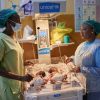
UNICEF Report Warns of Rising Rates of Child Mortality without Proper Funding
Despite levels of child mortality and stillbirths having significantly decreased since 2000, increasingly unequal and limited access to basic services around the world endangers millions of children around the world, a new report finds.
Malnutrition Not Due to Cash Poverty Alone
The World Bank set its US ‘dollar-a-day’ poverty line using its 1990 data. Despite many doubts and criticisms, its poverty numbers fell until the COVID-19 pandemic began in 2020.
Strengthening Indigenous Peoples and Local Communities’ Knowledge and Access Opens up Opportunities for Climate, Biodiversity and Desertification Action
The central role Indigenous Peoples and local communities in addressing climate change, biodiversity loss and desertification has gained widespread recognition over the past decade. Indigenous Peoples’ close dependence on resources and ecosystems, exceptional tradition, and ancestral knowledge are invaluable assets for the sustainable management of our planet’s natural resources.
The Profound Rise of the Elderly
The 20th century ushered in the profound rise of the elderly. During the 21st century, the elderly as a result of their rising numbers and growing proportions of country populations will be increasingly impacting government policies, programs and expenditures.
Funding Crunch Puts Years of Progress at Risk in Fight Against Tuberculosis
Governments and donors must ensure funding is sustained to fight tuberculosis (TB), organizations working to stop the disease have said, as they warn the recent US pullback on foreign aid is already having a devastating effect on their operations. NGOs and other groups that play a critical role in national efforts to stop what is the world’s deadliest infectious disease say the US administration’s recent decisions to first freeze and then cancel huge swathes of foreign aid funding have put countless lives at risk around the world.
Turning the Tide on Tuberculosis: Ensuring Access, Treatment, and Prevention for All Communities
Tuberculosis (TB), caused by the aerophilic intracellular obligate pathogen Mycobacterium tuberculosis, is a globally endemic bacterial infection transmitted person-to-person through airborne droplets. Although fully preventable and curable, TB remains a persistent global health challenge and is projected to be a leading infectious disease by 2025.
The Toll of Mental Health in Conflict Areas
Over the past two decades, conversations surrounding mental wellness have entered the cultural consciousness in the western world. Despite this, these topics receive far less media exposure in the Global South, particularly in areas that have been entrenched in warfare, where the onset of harmful mental health conditions are prevalent.
How Aid Cuts Will Shatter Global Water and Sanitation Progress
The principle of leaving no one behind is central to the UN Sustainable Development Goals (SDGs). The progress toward achieving SDG 6, which aims to ensure universal access to water, sanitation, and hygiene by 2030 is increasingly under threat with recent development funding cuts posing a significant barrier.
Israel Ends Ceasefire in Gaza as Strikes Resume
On March 18, the Israeli Defense Forces (IDF) launched an attack on the Gaza Strip, effectively terminating the Israel-Hamas ceasefire agreement. This comes after a pause in ceasefire operations when Israel continued its blockade on humanitarian aid in the enclave and demanded the release of additional hostages.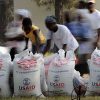
New Survey: US Funding Freeze Triggers Global Crisis in Human Rights and Democracy
A new survey carried out by the EU System for an Enabling Environment (EU SEE) network exposes the impact of the US funding freeze on civil society organisations (CSOs) in over 50 countries. With 67% of surveyed organisations directly impacted and 40% of them losing between 25-50% of their budgets, the abrupt halt in funding is disrupting critical human rights, democracy, gender equality and health programs, leaving vulnerable communities without essential support.
Epilepsy Patients in Africa Fight Stigma and Neglect
When Angela Asemota’s son began having seizures at six years old in 1996, people gossiped that he was possessed by evil spirits, leading her to seek healing from native healers and religious clerics. He underwent several traditional rituals and drank various concoctions, but the seizures persisted. It was not until his fourth year in secondary school in 2004 that she took him to a hospital, where he was diagnosed with epilepsy and began taking medication.
Our Investment in School Meals is Our Investment in Education
Millions of children worldwide are going hungry, and we all know that hungry children cannot learn. On International School Meals Day, we are calling on donors to significantly scale-up funding for school feeding to ensure every child can go to school, every child can access at least one nutritious meal a day, and every child can concentrate, develop and achieve.« Previous Page — Next Page »


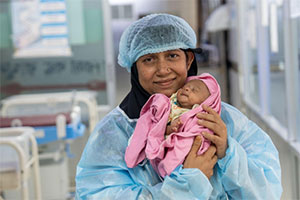 Bangladesh: Sarid, born one month early, receives specialized newborn care and grows stronger every day. Credit: UNICEF/UNI944397/Mojumder
Since the onset of the 2000s, global life expectancy has seen an overall rise, attributed to significant technological and scientific innovations in healthcare. Due to an increased understanding of different conditions as well as a rise in cooperation among healthcare experts around the world, there have been major strides made in ensuring that as few people die from chronic illnesses as possible. Despite the belief that healthcare is a fundamental human right, people from low- or middle-class backgrounds, marginalized groups, and underdeveloped countries have far more limited access to basic healthcare services.
The COVID-19 pandemic showed how marginalized communities are disproportionately affected by health crises, proving that we have much work to do in ensuring that no one dies of terminal conditions. While the global response to the coronavirus saw significant strides in immunization and vaccine development, the global outbreak of mpox in 2022 and its upsurge in parts of Africa in 2024 must remind us to remain vigilant.
Other major disease outbreaks in recent years have been linked to the destruction of infrastructure during warfare. Notably, in 2024, the Gaza Strip witnessed a return of the poliovirus since its eradication in the region 25 years ago. Israel’s blockade on Gaza has resulted in the collapse of the region’s sewage plants and desalination plants, and also destroyed healthcare capacities. The UN stated that this lack of clean water and sanitation would lead to an outbreak of cholera and other deadly infectious diseases. The 2026 OCHA Humanitarian Situation Report confirmed that the over two years of conflict in Gaza has produced a catastrophic health emergency, with millions remaining dependent on relief aid amid tight restrictions and no functioning public health system.
IPS is committed to providing full and comprehensive coverage on healthcare challenges around the world. IPS seeks to address the multifaceted causes of such challenges, including unprecedented pandemics, conflict-driven disease outbreaks, as well as socioeconomic barriers to equal healthcare access. IPS is also dedicated to reporting on innovations in the healthcare industry.

The Week with IPS

NEXT STOP - SDGs
Tracking global progress towards a sustainable world
Tracking global progress towards a sustainable world
