Languages
Thursday, November 19, 2026



News and Views from the Global South
Middle East & North Africa
MIDEAST: Religion Sways Policy, Now in Israel
There was a time when Israel was held in contempt by its neighbours for its over-liberal ways. They felt it did not "belong" in the Middle East.EGYPT: Civil Society Sidelined Ahead of Elections
Egypt's ruling party is taking measures to restrict the work of non-governmental organisations ahead of crucial parliamentary elections.MIDEAST: U.S. Poll Reveals Sharp Partisan Divide
Eighty-one percent of U.S. citizens say the Israeli-Palestinian conflict has hurt their country's interests, according to a new poll, although a sharp partisan divide increasingly frames the issues.TUNISIA: Rights Groups Condemn Harassment of Ex-Prisoners
The Tunisian government should stop the harassment of political prisoners after their release from jail, say rights groups in two new reports.
BAHRAIN: Debate on Proposed Alcohol Ban Far From Over
Legislators say it would encourage more Islamic behaviour and cure social ills, but critics say a complete ban by Bahrain on selling alcohol would mean big losses in tax revenues and lead to a black market in liquor.MIDEAST: ‘Palestinian Life is Cheap’
In early February, 41-year-old Fayez Ahmed Faraj, a father of nine from the city of Hebron, 30 miles south of Jerusalem, in the southern West Bank, was shot dead in his home town by Israeli soldiers after he allegedly tried to stab one of them.MIDEAST: Israeli Army World’s Most Moral?
Many Israelis like to believe, and the cliché is repeated regularly in Israel, that their army is the "most moral army in the world."MIDEAST: Israel Hovers Between War and Peace
Israeli Prime Minister Benjamin Netanyahu’s current visit to Washington is not just about trying to smooth over the crisis which has rocked U.S.-Israeli relations over the past fortnight.MIDEAST: Clinton Acknowledges “Daylight” Between US and Israel
U.S. Secretary of State Hillary Clinton offered reassurance Monday to the influential American Israel Public Affairs Committee that the Barack Obama administration's "commitment to Israel's security and Israel's future is rock solid," while echoing the words of warning issued by Gen. David Petraeus and Vice-President Joe Biden.MIDEAST: EU Boosts Israel Ties, Ignores Illegal Settlements
Diplomats representing the European Union (EU) have drawn up a new plan for strengthening their relations with Israel despite the expansion of illegal settlements in the occupied Palestinian territories.
Q&A: “Military Commissions Are a Second-Class Justice System”
David Frakt is a professor at the Western State University College of Law and a lieutenant colonel in the U.S. Air Force Reserve JAG Corps.IRAQ: Seculars Gain as Religious Parties Lose Ground
Iraq's largest secular bloc appears to be the biggest surprise of the parliamentary elections at a time when some of the most well-known religious groups and figures have sustained great losses, preliminary election results so far indicate.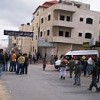
MIDEAST: ‘Day of Rage’ Engulfs Palestine
On Tuesday tens of hundreds of Palestinians of all political persuasions took to the streets, alleys and sidewalks as widespread rioting and protests spread across East Jerusalem, the West Bank, Gaza and into Israel proper.WORLD CUP: But South Africa Will Win
Less than a hundred days to go, and the world looks on, often more with scepticism than anticipation.MIDEAST: Israel-U.S. Tensions Continue to Percolate
Despite assurances by Secretary of State Hillary Clinton Tuesday that the United States and Israel share a "close, unshakeable bond", the week-old crisis between the two allies continued to percolate here Tuesday.MIDEAST: Israeli Raids Target Children
Three thousand heavily armed Israeli security service forces locked down large parts of the Old City of Jerusalem on Tuesday, as battalions of police fired rounds of tear gas and rubber-coated steel bullets at Palestinian protesters in the occupied eastern part of the city. Nearly 40 Palestinians were wounded and treated at nearby hospitals, as 25 were arrested during intense clashes.MIDEAST: U.S.-Israeli Tensions Escalating Quickly
The crisis touched off by last week's announcement of Israel's plans to build 1,600 new homes for Jews in Arab East Jerusalem during a high-profile visit by U.S. Vice President Joseph Biden appears to be escalating rapidly.MIDEAST: An Unlikely Collision Takes Place
In the middle of last week, it seemed that the old cliché about the light at the end of the dark Middle East tunnel was being confirmed: the U.S. had successfully cajoled both Israel and the Palestinian Authority into beginning to talk again.
CULTURE: Poor Patronage Killing Arab Cinema
Arab cinema, which had a promising presence at international film festivals during the 1990s, may now be going through a declining phase for lack of patronage.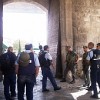
MIDEAST: Israel Lands in Public Relations Nightmare
Israeli riot police and soldiers have, since Friday, sealed off the Al Aqsa mosque, Islam’s third holiest shrine, restricting entry to women and Palestinian men over 50.US-ISRAEL: Tiff or Tipping Point?
"Condemn" is not a word that rolls trippingly off the tongue of a U.S. politician addressing anything having to do with actions, however objectionable, by Israel.« Previous Page — Next Page »


The Week with IPS

NEXT STOP - SDGs
Tracking global progress towards a sustainable world
Tracking global progress towards a sustainable world
