Languages
Saturday, September 19, 2026



News and Views from the Global South
Religion
US-CUBA: Clinton “Encouraged” by Prisoner Accord
In the most positive U.S. statement on developments in Cuba in recent memory, Secretary of State Hillary Clinton Thursday said the reported agreement between President Raul Castro and the Cuban Catholic Church regarding the release of 52 political prisoners was "very welcome".‘This Is Worse Than Guantanamo’
A former Guantanamo Bay prisoner at a refugee detention centre in Slovakia has said he is prepared to die in hunger strike after living five months in conditions he says are worse than in the infamous U.S. prison.CUBA: Church-State Dialogue Sends “Signals” to the World
The talks between the Catholic Church and the Cuban government are unprecedented in several respects in this socialist island nation, and this should be taken into account by the international community, experts say.
Arab-Israeli Parliamentarian Fights Death Threats
"I stopped counting after I had received 50 death threats. I told my secretary not to tell me about them any more," Arab-Israeli Knesset (parliament) member, Haneen Zoabi told IPS.Israel Navigates Between Inquiries
Israel's easing of its land blockade of Gaza is unlikely to lessen international pressure for a change in its policies towards the Palestinians. Nor can Israel be expected to give up its battle to undermine Hamas' control of the Gaza Strip.
RIGHTS-MIDEAST: ‘Gaza Blockade Must Go’
Under intense international pressure Israel declared last week that it would ease its crippling blockade on Gaza by permitting an additional but limited number of daily items, including food, into the coastal enclave.
Q&A: Laying to Rest the Ghosts of the Past – With Truth
This year marks 15 years since the bloody war in Bosnia - Herzegovina (BH) ended. Apart from the 44-month siege of the capital of Sarajevo by Bosnian Serb forces there was the massacre of some 8,000 Bosniak Muslim men and boys after the United Nations-protected enclave of Srebrenica fell into their hands./UPDATE/CUBA: Variety of Viewpoints Expected at Church Conference
Cuban intellectuals, religious and non-religious, including three who live and teach in the United States, will take part in a four-day conference organised by the Catholic Church next week in the midst of a relaxed climate of dialogue between the Church leadership and the government of Raúl Castro.MIDEAST: Advantage Hamas After Flotilla Fiasco
Israel may allow soft drinks, juice, canned fruit, salads, biscuits and potato chips into the Gaza Strip from next week. What should be an unremarkable event is making news headlines and portends unseen consequences.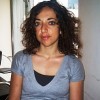
Q&A: ‘We’ll be Back – With Bigger Flotillas’
In an exclusive interview with IPS Huwaida Arraf, the chairwoman of the Free Gaza (FG) movement, which tried to break Israel’s crippling blockade on Gaza, explains what happened on the night of May 31 when Israeli commandos raided the FG humanitarian flotilla, shooting nine people dead and injuring dozens more.
Divisions Sharpen as Iran Girds for Renewed Protests
A week before the first anniversary of Iran's contested presidential elections, the disruption of a speech by the grandson of Ayatollah Khomeini during a memorial service for the founder of the Islamic Republic on Jun. 4 has once more publicly exposed the rift within the top level of Iran's leadership.
MEDIA-ISRAEL: Beatings, Abuse, Doctored Evidence Emerge
Although Israel successfully controlled news of its deadly commando raid on the Free Gaza (FG) flotilla during the first crucial 48 hours of media coverage, emerging evidence from witnesses and survivors is challenging the Israeli government's version of events.
Q&A: Church’s Mediation Marks Start of “New Time” for Cuba
One of Cuba's most prominent moderate dissidents, historian Manuel Cuesta Morúa, says the recent talks between Catholic Church leaders and the government of Raúl Castro mark the start of a "new time" for the country.EUROPE: Flotilla Raid Fires Up Israel Lobby
Within three days of Israel's attack on the Gaza Freedom Flotilla Monday, the pro-Israel lobby in Brussels was already seeking to deflect attention from the killing of nine peace activists in international waters.No Sidelining Arab-Israelis Over Raid On Aid Flotilla
Normally, in this non-descript sleepy Arab town in Galilee, TV sets are tuned to Al-Jazeera or Al-Arabiyya, the round-the-clock Arabic networks.
Israel Censors News on Deadly Flotilla Raid
Attempts by media to interview some of the hundreds of Free Gaza (FG) members, who were being deported from Tel Aviv’s Ben Gurion International Airport, Wednesday, were thwarted by Israeli authorities.CUBA: Prisoner Transfers “First Step in Right Direction”
A European diplomat speaking anonymously told IPS that the relocation of six imprisoned opponents of the Cuban government "represents a positive step in the direction of the release of all political prisoners in Cuba, which we hope will occur soon."
LEBANON: Where the Bikini Finds Sisterhood With the Hijab
Hijab or bikini? That is a question that Lebanon seems to be forever balancing.
Gazan Girls Join US Tour Seeking Justice
The dispute between Hamas and Fatah has torn apart the people of Palestine, dividing and distracting them from their common quest for freedom and independence from Israeli military rule.
ISRAEL: Censure Follows Raid on Gaza Aid Flotilla
The Israeli government's spin machine has launched into full-throttle as the country faces yet another diplomatic crisis and harsh international criticism for Monday's raid on the Free Gaza (FG) humanitarian aid flotilla that left 19 people dead and about 50 injured.EGYPT: Extension of Law Becomes an Emergency
The government's decision to renew Egypt's longstanding Emergency Law has drawn furious reactions from opposition figures and rights advocates. While government spokesmen say the law will only be used against terrorism and drug trafficking, critics say it is aimed primarily at stifling political dissent.« Previous Page — Next Page »


Religion plays a big and in some cases growing role in the socio-political dynamics within countries and often is a factor in civil and cross-border conflict, conflict resolution and peace building. From Burmese monks' marches to the role of religious fundamentalism, this dedicated site gathers IPS stories about how religion affects our world, from daily life to geo-politics.

The Week with IPS

NEXT STOP - SDGs
Tracking global progress towards a sustainable world
Tracking global progress towards a sustainable world
