Languages
Friday, October 16, 2026



News and Views from the Global South
Multimedia
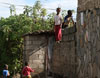
Flushing toilets bring hope to Zambian slum
 Only about one in four Zambians has access to clean water and sanitation. But a new water scheme in a settlement near Lusaka is bringing hope to thousands of residents who still depend on pit latrines.
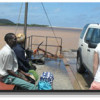
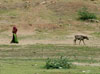
Drought strains Kenyan community
Four years of drought in the Igembe North County is putting a strain on the community. Mary Itumbi reports from Kenya.
Mother-to-child HIV infection still a worry
It is estimated that between 40 and 50 000 babies will be born in Kenya this year with HIV and Aids that they receive from their mothers. Indications are, however, that the country is becoming less successful in preventing the spread of the virus at birth.
Third SADC gender barometer shows progress
Gender Links are taking their findings on the SADC gender protocol to the SADC meeting in Luanda, Angola. Click here to listen to an IPS interview with Colleen Lowe Morna.
Malawians worry about lack of local elections
NGOs worry that Malawi's failure to have local government elections in April 2011 could see fewer women stand in future elections. IPS interviews Emma Kaliya of the Gender Coordinating Network.
SA aims at more than MDGs: Minister
Governments that agreed to the Millennium Development Goals have four years before the 2015 deadline. Gender Links, a women's rights NGO, has released a barometer to measure some of the successes in the SADC region. Zukiswa Zimela asked South African minister of Home affairs, Nkosazana Dlamini Zuma, if women are making a difference.

South Africa makes gender strides in ports
South Africa is taking small steps in reaching the third Millennium Development Goal (MDG) of gender equality and empowering women by taking to the sea.
Early diagnosis needed to fight TB
Tuberculosis kills 1.7 million people every year. In sub-Saharan Africa, the disease is also a major killer of people living with HIV. Stigma, poor adherence to medicines and lack of early diagnosis plagues the management of TB in these states.
Statistics show that more than fifty thousand Zambians die of malaria every year.
Statistics show that more than fifty thousand Zambians die of malaria every year. The National Malaria Control Centre says the disease accounts for more than a third of hospitalisations and outpatient visits in the southern African country.
Cancer has been viewed as a disease of the west, but it is knocking on the door of developing nations with fury.
Cancer has been viewed as a disease of the west, but it is knocking on the door of developing nations with fury. A lack of infrastructure and treatment options is proving to be a major challenge for many African nations.
An estimated 11 million people in the Horn of Africa are affected by the region’s worst drought in 60 years.
An estimated 11 million people in the Horn of Africa are affected by the region’s worst drought in 60 years.
Bangladesh: Erosion, Climate Change Create Refugees
 Thirty-year-old Halima Begum sometimes sits on the banks of the river Jamuna in Vatpeyari village in this district, located some 157 miles from the Bangladesh capita of Dhaka, and ponders about the home she lost to river erosion.

Study shows taking a combination of anti retrovirals while HIV negative can reduce the chance of infection.
Study shows taking a combination of anti retrovirals while HIV negative can reduce the chance of infection.
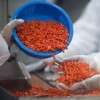
Poverty and a lack of infrastructure have blamed for rising maternal mortality in Kenya.
Poverty and a lack of infrastructure have blamed for rising maternal mortality in Kenya. For every 100 000 live births, 560 women die. A new programme is showing promise in reducing these numbers.
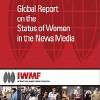
Study shows women need more prominence in the newsroom.
Study shows women need more prominence in the newsroom.

Lao Women Take A Bow
 Lao women artists have been trying to create more space in arts, literature and performance circles for discussion of issues relevant to women, but the path to doing this has not always been easy. Against this backdrop, the recognition that they received in the 2011 artist awards in Laos was a long-awaited one. Video report by Vannaphone Sitthirath for IPS Asia-Pacific.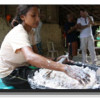
TIMOR-LESTE: Working to Tackle Unemployment
Tackling unemployment has been one of the main stumbling blocks in the statebuilding process in Timor-Leste, a half-island nation of about 1.1 million people.
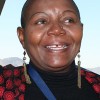
Gender activists say African organisations should focus more on gender when they gather for talks.
Gender activists say African organisations should focus more on gender when they gather for talks.
TIMOR-LESTE: Future Lies in the Young Nation’s Hands
Timor-Leste is a young nation in every sense. Nine years after achieving formal independence in 2002, ending 24 years of savage occupation by the Indonesian army, half of its population of 1.1 million is under the age of 18.

Do more than talk say gender activists
Gender activists at the fifth SADC water dialogue, in Swaziland, say the time for talking about gender and poverty reduction is past; they say action is now needed to address the needs of the poor in Africa. « Previous Page — Next Page »





The Week with IPS

NEXT STOP - SDGs
Tracking global progress towards a sustainable world
Tracking global progress towards a sustainable world
