Languages
Monday, October 19, 2026



News and Views from the Global South
Europe

COP16 Delivers on Indigenous Peoples, Digital Sequencing, But Fails on Finance
The curtains fell on the 16th Conference of the Parties of UN Biodiversity (COP16) on Sunday without any formal closing. In a voice message, David Ainsworth, the Communications Director of the UNCBD, confirmed that the COP was suspended due to a lack of quorum in the plenary and would be resumed sometime later. However, before being suspended, the parties managed to adopt a historic decision to open the door for Indigenous Peoples (IPS) and local communities (LCs) to influence the global plan to halt the destruction of biodiversity.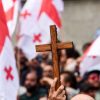
Georgia’s Dangerous Anti-LGBTQI+ Law
Georgia’s ruling party has put LGBTQI+ people firmly in the firing line ahead of next month’s election. On 17 September, parliament gave final approval to a highly discriminatory law that empowers the authorities to censor books and films with LGBTQI+ content, stop discussion of LGBTQI+ issues in schools, ban people from flying rainbow flags and prevent Pride events. The law excludes LGBTQI+ people from adopting children, bans gender affirmation surgery and refuses to recognise same-sex marriages of Georgians conducted abroad.
Global Community Urged to Help Deliver Quality, Holistic Education for Ukrainian Children
In a major escalation of a conflict that started in 2014 and which is the largest in Europe since World War II, Russia invaded Ukraine in February 2022. Since then, thousands of Ukrainian civilians—many of them women and children—have lost their lives. Countless others have been displaced from their homes, clinging to what remains of the education system as their communities disintegrate.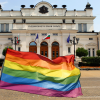
New Bulgarian LGBT+ Law Marginalizes Communities, Rights Groups Warn
A law banning the portrayal of LGBT+ identities in Bulgarian educational institutions is just the latest piece of repressive legislation in a wider assault on minorities and marginalized communities across parts of Europe and Central Asia, rights groups have warned.
At Paris Olympics, Art Runs in Tandem with Sports
As cheers from beach-volleyball fans fill the air at the Eiffel Tower Stadium on a steamy, sunny day, pedestrians just down the road are enjoying another kind of show: an outdoor exhibition of huge photographs gleaming on the metal railings of UNESCO headquarters.
Intl. AIDS Conference: Trans Man Asks Governments to Pressure Uganda to Repeal Punitive Anti LGBT+ Law
Jay Mulucha, Executive Director of FEM Alliance Uganda, gave an impassioned plea to governments around the world to push lawmakers in his home country to reverse punitive new legislation criminalizing the LGBT+ community.
The UK’s Chance for Change
The political tide has turned in the UK – and civil society will be hoping for an end to government hostility. The 4 July general election ended 14 years of rule by the right-wing Conservative party. The centre-left Labour party has returned to power, winning 411 out of 650 parliamentary seats.
Georgia’s LGBT+ Law Could Lead to Violent Repression, Rights Group Warns
“If this legislation passes, LGBT+ people simply aren’t going to be able to live here.” The warning from Tamar Jakeli, an LGBT+ activist and Director of Tbilisi Pride in Tbilisi, Georgia, is stark, but others in the country’s LGBT+ community agree, accurate.
EUROPE: ‘The Future of the EU as We Know Cannot Be Taken for Granted’
CIVICUS discusses the results and implications of recent elections to the European Parliament with Philipp Jäger, Policy Fellow at the Jacques Delors Centre, an independent, non-partisan think tank focused on European policy processes and outcomes.

Europe Can Reap Sizable Energy Security Rewards by Scaling Up Climate Action
Russia’s invasion of Ukraine triggered Europe’s worst energy crisis since the 1970s and put energy security back at the top of the policy agenda. Policymakers reacted swiftly by securing alternative natural gas supplies, improving energy efficiency, and expanding renewables.
Saudi Dissident’s Detention in Bulgarian Migrant Center Illegal—Rights Group
When Abdulrahman Al-Khalidi fled Turkey for Bulgaria after his fellow Saudi dissident Jamal Khashoggi was murdered, he thought he was heading for safety and sanctuary in the European Union. But, he says, he instead would end up facing the exact opposite.
People at Risk Need Protection Before Another Hot Summer
Spring has traditionally brought a welcome new beginning: daylight increases, flowers bloom and temperatures are pleasantly warm. However, in recent years, it’s also brought justified fears about extreme heat with summers in Southern Europe getting increasingly hot because of climate change. Older people, children, people with disabilities, and people with mental health conditions are among those at higher risk.
Slovakia PM Assassination Attempt Sparks Journalists’ Safety Fears
Fears for the safety of journalists in Slovakia are growing in the wake of an assassination attempt on the country’s prime minister, which some politicians are blaming in part on local independent media. Relations between some media and members of the governing coalition, led by Prime Minister Robert Fico’s Smer party, have become increasingly tense since the government came to power in October last year.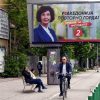
North Macedonia Turns Back the Clock
The old guard is back in North Macedonia, as the former ruling party – the Internal Macedonian Revolutionary Organization – Democratic Party for Macedonian National Unity (VMRO-DPMNE) – returns to parliamentary and presidential power.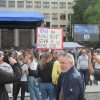
Media Freedom Declining Across Europe, With Implications for Rule of Law
A new report has warned media freedom in the EU is close to “breaking point” in many states amid rising authoritarianism across the continent.
Conditions Worsen for Belarus Migrants Stuck in ‘Death Zone’ on EU Border
As the refugee crisis on the Belarus/EU borders approaches its fourth year, a crackdown on activism in Belarus is worsening the situation for migrants stuck in a “death zone” as they attempt to leave the country. Groups working with refugees say the repression of NGOs in Belarus has led to many organizations stopping their aid work for migrants, leaving them with limited or no humanitarian help.
Seeking Justice for the Civilian Victims of the Syrian Civil War
When the Syrian Army launched its offensive against the stronghold of rebel FSA (Free Syrian Army) in Homs in February 2012, the safety of civilians was not a factor.
IPCI 2024: Oslo Conference Focuses on Parliamentary Power over Reproductive Rights
Gearing up for the 30th anniversary of the International Conference on Population and Development (ICPD), the world’s parliamentarians and ministers are meeting in Oslo to determine the course of action needed to promote sexual and reproductive human rights (SRHR).
ECW Announces New Grant Funding for Ukraine’s Education Programs for Children Impacted by War
Education Cannot Wait and the government of Ukraine launch new multi-year program to support education for children impacted by the conflict in Ukraine.
Greece: Another First for LGBTQI+ Rights
After almost two decades of civil society campaigning, Greece’s parliament has passed a law enabling same-sex couples to marry and adopt children. It’s the first majority-Orthodox Christian country to realise marriage equality.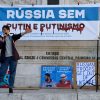
Russia: Moments of Dissent after Two Years of War
Russia’s full-scale invasion of Ukraine marked its second anniversary on 24 February. And while civil society is offering an immense voluntary effort in Ukraine, in Russia activists have faced intense constraints. The suspicious death of opposition leader Alexei Navalny is part of a great wave of repression. He’s the latest in a long list of people who’ve come to a sudden end after falling out with Vladmir Putin.« Previous Page — Next Page »





The Week with IPS

NEXT STOP - SDGs
Tracking global progress towards a sustainable world
Tracking global progress towards a sustainable world
