Languages
Friday, November 27, 2026



News and Views from the Global South
Global
DEVELOPMENT: Less Than Half of EU Aid Tackles Poverty
Less than half of development aid approved by the European Commission is explicitly linked to international objectives on reducing poverty, a new study has found.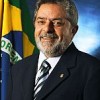
ANNOUNCEMENT: Brazilian President Wins IPS Award
President Luiz Inacio Lula da Silva of Brazil, who has successfully championed the cause of fair trade, social justice and economic equity for the developing world, has been named the winner of the Inter Press Service (IPS) International Achievement Award 2008.CLIMATE CHANGE: Chemical Lobby Weakening Ozone Treaty
In hard economic times, protecting the environment is often seen as a luxury - or ignored completely. But had that attitude prevailed 20 years ago when it came to taking action to protect the ozone layer, skin cancer rates would have soared and climate change would be even more dramatic than it is today.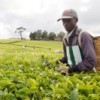
TRADE: Africa’s Export Performance Still Dismal, Says UNCTAD
Despite the liberalisation of trade over more than two decades, the level and composition of Africa’s exports have not substantially changed, according to the 2008 report by the United Nations Conference on Trade and Development (UNCTAD) on economic development in Africa.
Q&A: Unravelling the Knots of Tied Aid
The forum on aid effectiveness in Accra has delivered "profound" decisions to change the way aid is structured, OECD Secretary-General Angel Gurria told IPS in an interview.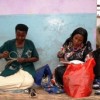
DEVELOPMENT-WORLD: What Is So Fair About Fair Trade?
Fair trade is held up as promoting fair prices for producers and guaranteeing social and environmental standards. These ideas are neither new nor controversial. But the recent boom in fair trade has drawn attention as standards and models multiply while authentication mechanisms lag behind.POLITICS: Obama Clear Winner in World Opinion
In a new international poll by the BBC World Service, all 22 countries surveyed would prefer that Democratic presidential nominee Sen. Barack Obama wins the U.S. presidential election on Nov. 4.POLITICS: U.N. Warns of Impending Development Emergency
The much-ballyhooed Millennium Development Goals (MDGs ) - which include the reduction of extreme poverty and hunger by 50 percent by 2015 - are being seriously undermined by food, financial and climate change crises.POLITICS-CAUCASUS: Media Guilty as 'Fog of War' Clears
As the ‘fog of war’ clears over the Caucasus and the United Nations prepares to set up peace missions in Abhkazia and South Ossetia, what stands out is the apparently partisan role played by Western media in last month’s five-day armed conflict.SOUTH ASIA: UN Peacekeeping Pushes Democracy Back Home
The lure of serving in the United Nations peace keeping operations, where soldiers have a chance to take home four times the pay and allowances they normally make in this region, can act as a deterrent against gross human rights violations by such troop contributors as Nepal and Bangladesh.CLIMATE CHANGE: Arctic Oil and Gas Rush Alarms Scientists
As greenhouse gas pollution destroys Arctic ecosystems, countries like Canada are spending millions not to halt the destruction but to exploit it.POLITICS: Is Cold War Rhetoric Back at the U.N.?
When the United States and the former Soviet Union were on the verge of a military confrontation over Cuba during the height of the Cold War, the legendary U.S. Ambassador Adlai Stevenson went eyeball-to-eyeball with Soviet envoy Valerian Zorin in the Security Council chamber.RIGHTS: Fighting the ‘War on Terror’
The "war on terror" in the aftermath of the attacks of Sep. 11, 2001 has undermined human rights globally, according to activists and experts who attended a UN conference in Paris.INDIA/US: Nuclear Waiver – Blow to Non-Proliferation
The special waiver granted to India by the Nuclear Suppliers' Group (NSG) from its nuclear trade rules is being seen as a massive setback to the cause of global nuclear non-proliferation and disarmament.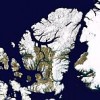
CLIMATE CHANGE: Arctic Meltdown Signals Long-Term Trend
Soaring temperatures have led to the collapse of several huge ice shelves in the Canadian Arctic over the past few weeks.DEVELOPMENT: Donors And The Poor Agree Aid Agenda
Delegates from both developing and developed countries have adopted the Accra Agenda For Action (AAA) as a guide to improve the way aid is given and spent.ECONOMY: Industrialised Nations’ Slowdown Could Spill Over to Poor Countries
A new United Nations report on the outlook for the global economy over the next few months indicates that the robust growth seen in developing countries could be checked by the slowdown in the industrialised world.RIGHTS: Anti-Terror Laws Prone to Abuse, Amnesty Says
Numerous governments around the world are using anti-terror laws to suppress political dissent and civil liberties, according to a new report released by one of the world's most respected human rights organisations.DEVELOPMENT: U.N. Warns of Faltering Goals on Aid, Trade
When the United Nations approved a set of development goals on poverty, health, gender empowerment, and sustainable environment back in September 2000, it laid down a deadline of 2015 to reach these targets.INDIA/US: Lawmaker’s Disclosure May Torpedo Nuke Deal
Chances of the United States-India nuclear deal being completed have greatly receded with the release by a key U.S. lawmaker of a so-far-secret Bush administration document which says Washington will not sell sensitive nuclear technologies to India and will terminate nuclear commerce with it if India conducts a test.DEVELOPMENT: Nice, Fuzzy, Positive Language on Aid
Ministers and senior government officials from around the world have reportedly agreed an action plan to make the system of aid more effective after days of hard negotiations that pitted some of the world’s poorest nations against donor giants.« Previous Page — Next Page »


The Week with IPS

NEXT STOP - SDGs
Tracking global progress towards a sustainable world
