Languages
Tuesday, August 11, 2026



News and Views from the Global South

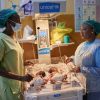
UNICEF Report Warns of Rising Rates of Child Mortality without Proper Funding
Despite levels of child mortality and stillbirths having significantly decreased since 2000, increasingly unequal and limited access to basic services around the world endangers millions of children around the world, a new report finds.
Building Resilience in Least Developed Countries – A Pathway to Sustainable Transformation
As the world grapples with overlapping crises—climate change, economic instability, and food insecurity—the 44 Least Developed Countries (LDCs) face existential threats that demand urgent, collective action.
Indian Colonialism in Sri Lanka
Following independence from Britain, both India and Sri Lanka emerged as leaders of the Non-Aligned Movement, which sought to advance developing nations' interests during the Cold War. Indeed, the term "non-alignment" was itself coined by Indian Prime Minister Jawaharlal Nehru during his 1954 speech in Colombo.
Organic Fertilizers Prove Effective on Tea as Farmers Abandon Synthetic Inputs
On the outskirts of Kericho town within Kenya’s Rift Valley region, Kaptepeswet tea farm, an organic tea estate sprawling on a 50-acre piece of land, is a testament that organic fertilizers can be used on mature tea bushes and still produce the desired quantity and quality of premium leaves.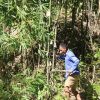
Bangladesh’s Ethnic People Safeguarding Forests and Wildlife
Kishore Kumar Chakma, a young man from an ethnic community in Rangamati district, voluntarily guards a village common forest (VCF) so that none can hunt wild animals and fell trees from it.
How to Turn the Tide: Resisting the Global Assault on Gender Rights
This year’s session of the United Nations Commission on the Status of Women (CSW69), the world’s leading forum for advancing gender equality, confronted unprecedented challenges. With Saudi Arabia in the chair and anti-rights voices growing increasingly influential in the forum, the struggle to hold onto international commitments on gender equality intensified dramatically. On 8 March, International Women’s Day mobilisations also took on added urgency, with demonstrations from Istanbul to Buenos Aires focusing on resisting the multiple manifestations of gender rights regression being felt in communities worldwide.
African Diaspora Exhibition Showcases Transformative Solidarity and the Legacy of Slavery
Ahead of the International Day of Remembrance of the Victims of Slavery and the Transatlantic Slave Trade on March 24, the United Nations (UN) unveiled a new exhibition examining the themes of equality and transformative solidarity in the context of the African diaspora.
A Chance for Sisi to Follow Sadat’s Vision and Courage
On March 26, Israel and Egypt celebrated the 46th anniversary of their peace treaty, which has upended the very nature of the Arab-Israeli conflict. Egypt remains pivotal in the search for Israeli-Palestinian peace, especially now in the wake of the Israel-Hamas war.
Will UN be a Possible Target as US Goes on a Rampage?
The Trump administration, spearheaded by senior adviser Elon Musk, has been on a wild rampage: mass layoffs of government employees, gutting federal agencies, dismantling the Department of Education and USAID, defying a federal judge and threatening universities with drastic cuts in grants and contracts—decisions mostly engineered by the newly-created Department of Government Efficiency (DOGE).
Malnutrition Not Due to Cash Poverty Alone
The World Bank set its US ‘dollar-a-day’ poverty line using its 1990 data. Despite many doubts and criticisms, its poverty numbers fell until the COVID-19 pandemic began in 2020.
Empowering Women in Agriculture: Breaking Barriers for a Thriving Future
On March the 8th, the world celebrated International Women’s Day. This year’s theme was “For ALL Women and Girls: Rights. Equality. Empowerment” and called for actions that aim to unlock power and opportunities for women around the world by leaders across governments, corporate and private sector, academic communities, and civil societies.
Royalties, a New Indigenous Right for Hydroelectric Damages in Brazil
Indigenous peoples in Brazil have won a new right: a share in the profits of hydroelectric plants that cause them harm when built on or near their lands.
Young Women in Afghanistan Driven to Suicide Amid Widespread Frustration
Azar Shaimaa sits in grief, her voice trembling with sorrow as she recounts the devastating loss of her daughter, Benazir. A bright ninth-grade student, Benazir took her own life. Just three years earlier, Shaimaa lost her husband in a car accident.
Strengthening Indigenous Peoples and Local Communities’ Knowledge and Access Opens up Opportunities for Climate, Biodiversity and Desertification Action
The central role Indigenous Peoples and local communities in addressing climate change, biodiversity loss and desertification has gained widespread recognition over the past decade. Indigenous Peoples’ close dependence on resources and ecosystems, exceptional tradition, and ancestral knowledge are invaluable assets for the sustainable management of our planet’s natural resources.
The Ocean Creeps In: Tanzanian Coastal Communities Fight a Losing Battle
The first time Jumanne Waziri tasted salt in his morning tea, he thought his wife had made a mistake. “Why did you put salt instead of sugar?” he asked, setting his cup down in their home in Ununio, a quiet suburb north of Dar es Salaam.
The Profound Rise of the Elderly
The 20th century ushered in the profound rise of the elderly. During the 21st century, the elderly as a result of their rising numbers and growing proportions of country populations will be increasingly impacting government policies, programs and expenditures.
A Path Towards Ending Child Marriage
As the sun rises over coastal Gopalpur, Odisha, in eastern India, dozens of children prepare for school. Unfortunately, for many girls in the state, the arrival of their first period can mean the end of their school years as they face societal pressures to become brides.
A Test of Humanity: Migrants’ Rights in a World Turning Inward
The United Nations Refugee Agency faces devastating cuts that may eliminate 5,000 to 6,000 jobs, with potentially catastrophic consequences for millions of people fleeing war, repression, hunger and climate disasters. This 75-year-old institution, established to help Europeans displaced by the Second World War, now confronts an unprecedented financial crisis, primarily due to the US foreign aid freeze – and the timing couldn’t be worse.
Seeds of Survival, Amid Conflict Sudan Is Saving Its Agricultural Future
Sudan’s diverse crops and agricultural heritage are at risk of being lost. The ongoing conflict in Sudan is claiming lives and threatening livelihoods and food security. In the chaos of conflict, scientists like Ali Babiker are fighting to protect Sudan’s future food security—not with weapons, but with seeds.
‘What’s Next?’ Women-led Movements Fear for the Future
Women rights advocates who gathered at UN Headquarters for the world’s biggest meeting (10 -21 March) on gender equality have been sharing their concerns about the growing backlash against feminism, and how major funding cuts from donor countries could threaten programmes aimed at improving the lives of women and girls.
World Meteorological Day
Closing the Early Warning Gap to Save Lives
The World Meteorological Organization (WMO) is urging nations to increase investments in their meteorological and hydrological services and build robust early warning systems (EWS) to safeguard communities from the mounting threats posed by climate-related disasters. « Previous Page — Next Page »


Want to keep up with the latest news and views from the Global South? Sign up for IPS Daily News Report for daily emails with our top stories about international development, climate change, gender and more. (Formerly IPS TerraViva since 1993).

The Week with IPS

NEXT STOP - SDGs
Tracking global progress towards a sustainable world
Tracking global progress towards a sustainable world
