Languages
Sunday, November 8, 2026



News and Views from the Global South
Barack Obama
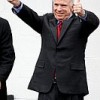
POLITICS-US: McCain Gets Religion
Over the course of the past few months, Senator John McCain, the Republican Party's presumptive presidential nominee, accepted and then rejected the endorsements of the controversial pastors Rod Parsley and John Hagee, after media reports about Parsley's vitriol toward Islam and Hagee's views that the Holocaust was part of God's biblical plan for the Jews to move to Israel.POLITICS-US: Doves Outnumber Hawks in Jewish Community
A new poll suggests that U.S. Jews hold views about the Middle East that are considerably more dovish than frequently acknowledged, with large majorities favouring diplomacy with Iran, supporting a two-state solution in Israel/Palestine, and advocating U.S. withdrawal from Iraq.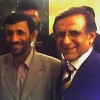
Q&A: "Iran Won't Wait for Obama to Talk to U.S."
Despite opposition from some hardline factions in Iran, the government of President Mahmoud Ahmadinejad has responded positively to a proposal by the United States that it open a U.S. Interests Section in Tehran - its first formal diplomatic presence since the 1979 Islamic Revolution.POLITICS-US: Obama Takes Offensive in Foreign Policy Speech
Setting the stage for his upcoming trips to Europe, the Middle East, and Afghanistan, Sen. Barack Obama Wednesday strongly denounced the Iraq War and re-affirmed his intention to withdraw U.S. combat troops from there by mid-2010 if he is elected president in November.POLITICS-US: Obama Surges in Race for Union Support
With at least 10 national unions giving their formal endorsements to Democratic Senator Barack Obama in his quest for the presidency, Republican rival John McCain finds himself lagging badly in the battle for labour's support in the November election.US/AFGHANISTAN: Deadly Assault Could Alter Campaign Dynamics
If nothing else, the deaths Sunday of nine U.S. soldiers at a remote outpost in eastern Afghanistan close to the Pakistan border are likely to bring home to the U.S. electorate what top national security officials have been saying for much of the past year - that the central front in Washington's "global war on terrorism" has moved eastwards about 1,800 kms from Iraq.HEALTH-US: Unions, Groups Coalesce For Universal Coverage
A coalition of over 100 national and local organisations representing labour unions, doctors, nurses, women, small businesses, religious groups, racial minorities, and think tanks has launched a new campaign in 53 U.S. cities to demand quality, affordable health care for every United States citizen.
THEATRE-US: Desegregating Schools, Then the Supreme Court
As Sen. Barack Obama prepares to accept the Democratic presidential nomination at a 75,000-seat football stadium in Denver, Colorado next month, a play on New York's Broadway takes audiences back to another iconic and groundbreaking figure in U.S. civil rights history.POLITICS: Reading Solana in Tehran
Conciliatory noises from Tehran over the nuclear issue have left Washington and Brussels baffled, and unconvinced of Iran's intentions. Having grown accustomed to President Mahmoud Ahmadinejad's uncompromising language, Tehran's new tone has raised more suspicion than hope among cynics in Western capitals.ECONOMY: Little to Cheer on U.S. Independence Day
The world's biggest economy marked Independence Day Friday with little cause for economic cheer. Job losses are the worst in nearly six years and a de facto recession appears to have gripped all sectors.POLITICS-US: In Search of a Legacy, Bush Looks to the Past
Before 9/11, before the wars in Afghanistan and Iraq, before the suspension of habeas corpus, before the administration's tardy and shameful response to Hurricane Katrina, before cronies and Republican congressional leaders were dropping like flies, before former administration operatives were writing unflattering tell-all books, before Dick Cheney said "So?" in response to a question about public opinion being firmly against the administration, before the Valerie Plame affair, before gas prices were nearly five dollars a gallon, before housing foreclosures hit record numbers, and before his approval rating dipped to all-time lows, there was President George W. Bush's faith-based initiative.POLITICS: Does Iran Have Bush Over a Barrel?
If U.S. President George W. Bush wants to boost Republican chances of holding on to the White House and keeping Democratic gains in Congress to a minimum in the November elections, he might consider taking an attack on Iran before the end of his administration "off the table".POLITICS-US: Even the Rare Bush Success Leaves a Sour Taste
While, in his dreams, U.S. President George W. Bush might have seen a "Mission Accomplished" banner unfurled as the cooling tower at North Korea's plutonium-producing plant was blown up, Friday's internationally televised fireworks at Yongbyon offered merely a glimmer of possible success in a foreign policy legacy that seems to be getting darker by the day.IRAQ: Whoever Wins, They Lose
Iraqis seem divided on who they would like to see as the next U.S. president, but few believe that either will end the occupation.POLITICS: US Concessions Rescue Floundering Iraq Security Deal
Despite apparent serious disagreements reflected in a series of incongruent statements by senior officials of the U.S. and Iraqi governments, they appear to have made a breakthrough in negotiations for a new security pact.
Q&A: “Grand Bargain With Iran Was a Missed Opportunity”
Last week, the European Union offered Iran an incentives package to stop enriching uranium in order to initiate negotiations with the West. Mere days later, and before Tehran had responded, British Prime Minister Gordon Brown announced that the Europeans planned to freeze the assets of Iran's largest bank in a bid to discourage Tehran from developing "nuclear weapons".US/MIDEAST: Let's Not Make a Deal
U.S. Secretary of State Condoleezza Rice was more explicit than usual last Sunday, asserting that Israel's settlement activity in the occupied West Bank was illegal and hurting efforts for a Mideast peace deal.POLITICS: Bush Inspires Least Confidence as World Leader
While historians here debate whether George W. Bush has been the worst president in U.S. history, a global consensus that he inspires the least confidence of all the world's major leaders appears to have emerged.POLITICS-US: Global Image Buoyed by Prospect of Change
After a virtually relentless fall during the seven-year reign of President George W. Bush, Washington's image abroad rebounded modestly in 2007, according to the latest edition of the annual Pew Global Attitudes Project survey of 24 countries released here Thursday.
POLITICS: Was Obama's Rhetoric on Israel for Real?
When Barack Obama, the presumptive Democratic candidate for the November U.S. presidential elections, addressed one of the most influential pro-Israeli lobbying groups last week, he offered himself as a more trusted ally of Israel than his rival, Republican candidate John McCain.POLITICS-US: A League of Their Own
A radical foreign policy idea put forth by presumptive Republican presidential candidate Sen. John McCain has drawn cheers of support from sources as varied as his campaign's neo-conservative backers to liberal internationalists from the camp of his rival, Sen. Barack Obama. But the idea is not without some surprising detractors.« Previous Page — Next Page »





The Week with IPS

NEXT STOP - SDGs
Tracking global progress towards a sustainable world
Tracking global progress towards a sustainable world
