Languages
Thursday, October 8, 2026



News and Views from the Global South
CGIAR
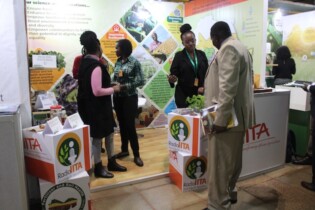
Science Is Useless if No One Understands It
Despite delivering life-saving medicines, more nutritious crops, and transformative technologies like artificial intelligence (AI), science remains widely misunderstood, polarizing, and underappreciated. Much of this, experts say, comes down to one persistent issue: poor communication.
Tanzania Champions Aquatic Foods at UN Ocean Conference in Nice
With less than six harvest seasons left to meet the Sustainable Development Goals (SDGs), the urgency to find transformative solutions to end hunger, protect the oceans, and build climate resilience dominated the ninth panel session at the 2025 United Nations Ocean Conference in Nice, France.
How Science Solutions Are Saving Africa’s Livestock and Livelihoods
Livestock are a lifeline for millions of farmers in Africa as a source of food and wealth. But devastating diseases are threatening the health and productivity of their animals. Now scientists at the International Livestock Research Institute (ILRI) have unleashed a toolbox of science solutions by outsmarting the parasites and pathogens that cost millions of dollars in livestock losses across Africa. The toolbox includes everything from vaccines that protect livestock from ‘cattle malaria’ to genetics to breed animals tolerant to East Coast fever.
Smallholder Farmers Are Not ‘Beneficiaries’, but the ‘Co-Creators of Change’
Eliud Rugut comes from generations of farmers, yet his family expected him to move out of their home and pursue another career.
CGIAR Gender Accelerator: A Tool to Advance Gender Equality Research in Agri-Food Systems
To advance the participation of women, the youth, and minority communities in the agricultural sector, measures must be taken to recognize and break down the barriers that hold them back. Experts in the agricultural sector agree that even as they constitute a significant percentage of the agricultural workforce, women face persistent challenges. The picture that emerges is a lack of due recognition of their presence and their challenges, such as limited access to resources and knowledge.
Want To Fix the World, Ubuntu (Humanity to Others) Can Help
The world needs an urgent fix and humanity could just be it.
Reflections on CGIAR’s Week-Long Discussions on Food System Science
More than 13,600 participants from around the world registered for the inaugural CGIAR Science Week at the UN Complex, Nairobi, April 7-12, 2025. Dr. Ismahane Elouafi, the organization’s Executive Managing Director, said, “This is a testament that people are thirsty for science and for good news.”
How to Put the ‘Sexy’ Back into Agriculture – Thoughts From CGIAR Science Week
This week presented a beacon of hope for young people so that the “girl from the South and the boy, of course” could stay in the developing world, Dr Ismahane Elouafi, Executive Managing Director of CGIAR, said during a press conference on the final day of the CGIAR Science Week.
Insight to Impact: CGIAR Inaugural Flagship Report for Decision Makers Navigating Food System Science
"To have impact, it was crucial to understand what impact was wanted," CGIAR's Executive Managing Director Dr. Ismahane Elouafi said at the launch of the organization's flagship report, Insight to Impact: A decision-maker’s guide to navigating food system science.
Strengthening One Health Approach in Agriculture Requires Cross-Sectoral Partnerships, Information
Increasingly, experts in the global health and agricultural sectors are finding the One Health approach effective for identifying and addressing health concerns that can influence facets of health. Implementing this approach worldwide will require partnerships across different sectors.
‘Act Before It Gets Worse’ – Experts Warn as Agrifood Problems in Global South Intensify
As agrifood systems in the Global South buckle under the weight of climate change, biodiversity, and even pollution, experts such as Dr. Himanshu Pathak call for urgent innovative solutions, as, at the current pace, the problems of the Global South are going to intensify with escalating climate change.
‘With Science, We Can Feed the World of 9.7 Billion by 2050′
Animal scientist Lindiwe Majele Sibanda became what her grandmother earnestly prayed for when she was growing up on a farm in southern Zimbabwe.
CGIAR Gender Impact Platform Needs a ‘Bold Approach’ in Agriculture Research
Women farmers face structural issues that prevent them from realizing their full potential, from societal perceptions that dictate their limitations to poor land. However, CGIAR's Gender Impact Platform Director, Nicoline de Haan, argues that leaning into a "victim" narrative does not serve them, especially when women are demonstrably more involved in agriculture.
Lessons from the Global South on Transforming AgriFood Systems
The state of food and nutrition security in the Global South masks the great strides and investments made to increase agricultural yields to feed a rapidly growing population. As discussions deepen at the ongoing CGIAR Science Week, plenary discussions on Wednesday (April 9) explored transformative strategies and innovations driving agricultural resilience across Africa, the Caribbean, and Latin America.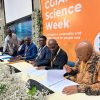
Partnerships Expected to Enhance Agricultural Development
Two crucial partnerships were signed at the CGIAR Science Week in Nairobi today (April 9, 2025), aimed at delivering research for development at scale across Africa.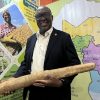
Farmers Need Science Solutions in Their Hands Sooner Than Later
Climate change is outpacing science and farmers are paying the price. Agricultural research innovations need to reach farmers before it is too late.
ASEAN-CGIAR Regional Programme Can Encourage South-South Collaboration
The ASEAN-CGIAR program "unlocks opportunities to look at commodities in the region, interest, markets, and capacity building, Director General of the International Rice Research Institute (IRRI) Dr. Yvonne Pinto said during a plenary that focused on fostering regional integration, scaling innovation, and amplifying the impact of CGIAR's research in addressing agricultural challenges.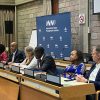
Science-Backed Solutions Buoying Water Security in East Africa
In East Africa, climate change has made water a lifeline and threat. In a region highly dependent on rainfall for growing crops, climate change is threatening water security but science-backed solutions are helping turn the tide.
Growing Legacy: Raising Ambition in Agriculture Scientific Research as CGIAR Unveil New Portfolio
Global food and nutrition insecurity levels are hurtling towards a catastrophe. To counter these problems, leading world experts say science is the 'silver bullet.' That science will build climate-resilient agri-food systems, improve livelihoods across the value chain, and ensure more affordable, nutritious food while safeguarding the environment.
Behind the Feeding of the 5,000 (or Should That Be 10,000) at CGIAR Science Week
Good Food for All is the motto of The Chef's Manifesto, a project that brings together more than 1,500 chefs from around the world to explore how to ensure the food they prepare is planet-friendly and sustainable.
Welcoming Science: CGIAR Week-Long Focus on Innovation for Food, Climate-Secure Future
The world’s leading scientists and decision-makers in agriculture, climate, and health are meeting in Nairobi this week to promote innovation and partnerships towards a food, nutrition, and climate-secure future. As current agrifood systems buckle under multiple challenges, nearly one in 11 people globally and one in five people in Africa go hungry every day.Next Page »





The Week with IPS

NEXT STOP - SDGs
Tracking global progress towards a sustainable world
Tracking global progress towards a sustainable world
