Languages
Wednesday, September 30, 2026



News and Views from the Global South
George W. Bush
RIGHTS: Afghan Prison Looks Like Another Guantanamo
As the world marked the sixth anniversary of the arrival of the first orange-jumpsuit-clad prisoners at the U.S. Naval Base at Guantanamo Bay, Cuba, human rights groups are attempting to focus public and congressional scrutiny on what some are calling "the other Gitmo".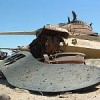
IRAQ: Civilian Deaths Massive by Any Measure
How many Iraqi civilians have lost their lives as a result of gunshots and bombings since the U.S. military invaded that oil-rich Arab nation nearly five years ago?
POLITICS: Canada Ponders its Future in Afghanistan
As the Conservative government of Stephen Harper awaits a panel report on Canada's military role in Afghanistan beyond February 2009, when the current mandate expires, there is widespread unease among analysts on both sides of the North American border that operational decisions are deep-sixing political goals and about the possibility of a widening conflict.
MIDEAST: Iran Looms Large in Bush’s 11th Hour Tour
In the opening days of his trip to the Middle East, U.S. President George W. Bush visited Israel and the Palestinian territories for the first time to spearhead the U.S. role as mediator of the latest push for Middle East peace inaugurated just over a month ago in Annapolis, Maryland.POLITICS-US: On Anniversary, Views of Surge Diverge
Exactly one year after U.S. President George W. Bush announced that he would significantly increase the number of troops deployed to Iraq, the wisdom of his so-called "surge" strategy remains very much in dispute here.
POLITICS-US: Official Version of Naval Incident Starts to Unravel
Despite the official and media portrayal of the incident in the Strait of Hormuz early Monday morning as a serious threat to U.S. ships from Iranian speedboats that nearly resulted in a "battle at sea", new information over the past three days suggests that the incident did not involve such a threat and that no U.S. commander was on the verge of firing at the Iranian boats.CHALLENGES 2007-2008: U.N. Remains Impotent as Captive of U.S.
As Secretary-General Ban Ki-moon begins his second year in office, he has refused to claim any tangible successes during 2007, nor has he laid out any clear-cut strategy to meet the political and economic challenges facing the United Nations in 2008.
POLITICS: Will Naval Incident Undermine Bush's Iran Message?
It is by now almost routine. With recurring frequency, U.S. leaders tour the Middle East depicting Iran as the region's greatest threat.POLITICS: Kenya Seen as Anchor to U.S. Position in East Africa
The ongoing turmoil in Kenya, set off by last week's disputed election results, is prompting considerable concern here about the future of the East African nation that has served as Washington's longest-standing and most reliable ally in a deeply troubled region.POLITICS: Pakistanis See U.S. as Greatest Threat
Amid reports that the administration of U.S. President George W. Bush is considering aggressive covert actions against armed Islamist forces in western Pakistan, a new survey released here Monday suggested that such an effort would be opposed by an overwhelming majority of Pakistanis themselves.CHALLENGES 2007-2008: Terror Prosecutions Shed More Heat Than Light
The U.S. government's spotty record in obtaining convictions of people charged with providing "material support" to terrorist organisations is adding new impetus to the efforts of prominent constitutional lawyers to seek substantial changes in the law.POLITICS-US: Rice and Gates Divided over Iran’s Role in Iraq
A State Department official's assertion in late December that Iran had exerted a restraining influence on Iraqi Shiite militia violence signaled a major divergence of views between Secretary of State Condoleezza Rice and Secretary of Defence Robert Gates over how to portray Iran's role in Iraq.CHALLENGES 2007-2008: Bush’s Twilight Year Looks Grim
If the last days of 2007 are any indication, U.S. President George W. Bush’s last year in office is shaping up as grim and lonely.POLITICS: Bhutto’s Killing May Threaten Pakistan’s Stability
The assassination of Pakistan's opposition leader and former Prime Minister Benazir Bhutto threatens to de-stabilise a country which the United States describes as a trusted ally and a frontline fighter in the global war on terrorism.CHALLENGES 2007-2008: Gates Led Realist Resurgence in ‘07
2007 will likely go down in U.S. history as the year in which the balance of power in the long-running struggle between hawks and realists in the administration of President George W. Bush shifted decisively in favour of the latter.RIGHTS-US: Legal Community Condemns Destruction of CIA Tapes
A former U.S. Department of Justice (DOJ) ethics adviser has joined leading members of the U.S. legal community in calling on Congress to investigate the destruction of tape recordings of interrogations carried out by the Central Intelligence Agency (CIA).RIGHTS-US: Congress Takes Action on Cluster Bombs, Child Soldiers
Human-rights and humanitarian groups are hailing provisions of a major appropriations bill approved by Congress this week that bans the export of most U.S.-made cluster bombs and U.S. military aid for foreign governments that use child soldiers.POLITICS-SAUDI ARABIA: Iran Polls Better Than U.S.
Although the image of the United States appears to have improved in Saudi Arabia over the past year, the Saudi public’s view of Washington remains largely negative, according to major new poll released here this week by Terror Free Tomorrow (TFT), a Washington, D.C.-based bipartisan group.POLITICS-US: Congress Clears More Funds for Both War and Relief
Racing to adjourn for the year, the U.S. Congress this week approved a 560- billion-dollar omnibus 2008 appropriation that includes 70 billion dollars more for military operations in Iraq and Afghanistan and sizable increases in development, refugee, and disaster assistance.
RIGHTS: “USA vs. Al-Arian” Highlights Real Cost of Indefinite Detentions
Twelve-year-old Lama Al-Arian looked up into a camera with a broad smile two years ago and called her father a "political prisoner". But her eyes betray her playfully shy exuberance - they are wracked by uncertainty about the future of a man who has been in a United States prison for five years this February.
RIGHTS-US: “Black Site” Survivor Relates Horrific Tale
As human right lawyers sought to block U.S government efforts to stop a lawsuit against a Boeing subsidiary accused of flying detainees to "black sites" where they were tortured, a legal advocacy group published the first testimony of a victim of the Central Intelligence Agency's "enhanced interrogation" programme.« Previous Page — Next Page »


The Week with IPS

NEXT STOP - SDGs
Tracking global progress towards a sustainable world
Tracking global progress towards a sustainable world
