Languages
Wednesday, October 7, 2026



News and Views from the Global South
HIV/AIDS
POLITICS-AFRICA: Arab Leaders Steal the Show At G8 Summit
Kenyan civil society activist Edward Oyugi says Africa's relations with the developed world amount to the continent holding out a begging bowl. But, African leaders insist they have a partnership with wealthy nations - one based on investment in return for good governance.HEALTH-AFRICA: Religious Leaders Focus on AIDS
A meeting of over 187 church leaders from across Africa has highlighted the role of female clergy in fighting the AIDS pandemic that has swept the continent.HEALTH-ZIMBABWE: Provision of AIDS Drugs Fragmented
It wasn't an instance where absence made the heart grow fonder. A three-day regional conference on improving access to AIDS treatments held in Zimbabwe's capital - Harare - in March, failed to attract a single government representative from the host country.MEXICO: Court Rules Military Cannot Discharge HIV-Positive Soldier
A Mexican court ruled that an armed forces law making infection with HIV/AIDS grounds for discharge by the military is discriminatory and unconstitutional, thus opening the door to the possibility that the law could be repealed, as activists have demanded.HEALTH-SOUTH AFRICA: Efforts to Get ARVs For Kids Are Still in Their Infancy
When AIDS activists have locked horns with the South African government in recent years, it has often been over the provision of anti-retroviral drugs to pregnant women - or adults living with AIDS. The challenges of supplying the medicines to HIV-positive children appear to have received less attention.DEVELOPMENT-SWAZILAND: Willing Hearts Do Battle With Empty Pockets
In a country where funds for social programmes are often lacking, volunteers find themselves being called on to fill the gap. Of late, however, the demands placed on these individuals have become increasingly burdensome.HEALTH-UGANDA: Condoms Take a Back Seat to Abstinence With U.S. AIDS Money
Uganda will receive over 90 million dollars this year from the United States to assist it with preventing and treating AIDS. Activists fear, however, that Washington may be showing too great a preference for abstinence-based programmes in its allocation of these funds – and that alternative prevention efforts such as condom distribution could suffer as a result.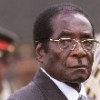
CULTURE-ZIMBABWE: "Dogs and Pigs" No More?
"Worse than dogs and pigs" is how Zimbabwean President Robert Mugabe described homosexuals almost a decade ago, when the gay community attempted to highlight widespread homophobia in the Southern African country.HEALTH: AIDS, Africa Groups Suspicious of Latest Bush Move
Africa and AIDS activists say they are wary of the Bush administration's pledge to expedite its approval process for low-cost, generic anti-retroviral drugs by the U.S. Food and Drug Administration (FDA) for their use in Bush's 15 billion-dollar anti-AIDS initiative for Africa and the Caribbean.HEALTH: HIV/AIDS ‘Biggest Threat’ to Developing World
HIV/AIDS is the greatest threat to development in African, Caribbean and Pacific countries, European interest groups are warning.HEALTH: Defeating AIDS Means Changing Course of History
Medical treatment for the millions of people with HIV/AIDS could bring the worst epidemic of the last few centuries under control, and mark a hope-giving change in global public health, say experts.EDUCATION-SWAZILAND: School Funds for AIDS orphans So Near – Yet So Far
Swazi school children returned to their hostels Friday (May 7) in preparation for the second term of the academic year. However, a question mark hangs over the fate of thousands of AIDS orphans and other vulnerable children who may not be permitted to continue their schooling this term.EU EXPANDS: HIV and Drugs Become a Growing Concern
The enlargement of the European Union could push the bloc into a "major drugs crisis", a leading international drug policy think-tank warns.CANADA: Activists Claim Partial Victory on Export of Generic Drugs
Canada is on the verge of passing a law that would allow makers of genetic medicines to produce and export relatively inexpensive versions of patented, brand name products to developing countries trying to tackle serious epidemics.DEVELOPMENT: Water Flows Down the Political Path
Aid for water development is being sent down political channels, major environmental groups warned in a joint report published Monday.SUSTAINABILITY-PAKISTAN: Water is Villagers’ Most Urgent Need
Residents in the Pakistani village of Pulosa here quickly identified water as their most urgent need, while preparing their area development plan with the help of a public interest group this month.POLITICS-SOUTH AFRICA: AIDS Casts Shadow on Upcoming Election
As the countdown to South Africa’s Apr. 14 general elections entered its final week, researchers warned that the AIDS pandemic could undermine efforts to entrench democracy in the country.RIGHTS-RWANDA: Women Survivors of the Rwandan Genocide Face Grim Realities
Mamerthe Karuhimbi was 19 when the killers came to her home in the Rwandan town of Nyamata, a decade ago.HEALTH: AIDS Groups Protest U.S. Efforts to Block Generics
U.S. Africa and AIDS activists are increasing pressure on the administration of President George W. Bush to abandon its apparent efforts to block the use of U.S. aid to purchase life-preserving, generic anti-AIDS drugs for needy Africans, about 6,000 of whom die every day from the disease.HEALTH-SWAZILAND: A Positive Spin-off From the AIDS Crisis
It may be a dim silver lining to a particularly dark cloud, but one apparent result of the AIDS pandemic in Swaziland is that fewer people in the country are smoking.HEALTH-MALAWI: Drug Theft Poses Threat to Battle Against TB
Malawi joined other countries Wednesday in commemorating World TB Day - this to draw attention to a disease that claimed two million lives last year, according to the World Health Organisation. However, the efforts of Malawian officials to curb tuberculosis are being dogged by the theft of TB drugs from state hospitals.« Previous Page — Next Page »





The Week with IPS

NEXT STOP - SDGs
Tracking global progress towards a sustainable world
Tracking global progress towards a sustainable world
