Languages
Wednesday, October 21, 2026



News and Views from the Global South
IFAD
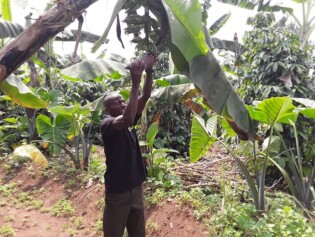
Food Insecurity Rising in Africa, Falling in Latin America and Caribbean
The 2025 State of Food Security and Nutrition in the World (SOFI) report shows a modest global decline in hunger since 2022, with 673 million people facing hunger in 2024, indicating a decrease of 22 million compared to 2022. While progress is seen in Asia and South America, hunger is rising in Africa and Western Asia.
Race Against Time as Hunger, Poverty Rise Amid Growing Global Uncertainties
Nearly one in 11 people in the world and one in five people in Africa go hungry every day, a crisis primarily driven by chronic inequality, climate change, conflict and economic instability. At the current pace, hunger and extreme poverty rates show little sign of drastically receding by 2030.
Building Resilience: Spotlight on Poorest, Rural Communities Amid COP29 Competing Priorities
Life in remote, marginal areas, drylands and deserts is increasingly becoming difficult because rural people are in the crosshairs of an unprecedented climate onslaught. A substantial number of lives and livelihoods are on the line, as nearly half of the world's population, 3.3 billion, lives in rural areas and 90 percent of them are in developing countries.
Quiet Revolution Underway as IFAD’s Innovative Solutions Rise to Global Rural Challenges
Technology and innovation are at the center of the International Fund for Agricultural Development’s strategy to fulfill its global mission to eradicate poverty and hunger in the developing world, IFAD’s President Alvaro Lario told IPS in an exclusive interview.
IFAD’s Record-Breaking Pledges: Lifeline for Rural Communities Cornered by Climate, Hunger
The world is not on track to end hunger and poverty as a future of growing food insecurity and climate challenges beckon. Small-scale farmers are the backbone of food production, producing one-third of the world’s food and up to 70 percent of the food consumed in Africa and Asia, yet they are often cut off from the services they need to pull themselves out of poverty and food insecurity.
Call for Rural Agriculture Investment, Less Food Wastage to Address Global Hunger
The politics of global food consumption remain contentious, with the upcoming COP28 taking place against the backdrop of worsening food deficits in the Global South.
Addressing Global Food Security with Optimism and Resilience
In an exclusive interview with IPS, Ambassador Cindy Hensley McCain, Permanent Representative of the US Mission to the food and agriculture organizations of the United Nations in Rome, Italy, shares her thoughts on food security, sustainable food systems, the impact of climate change on food production, conflicts and the ongoing crisis in Ukraine, and her plans while working with the Food Agricultural Organization of the United Nations (FAO), International Fund for Agricultural Development (IFAD) and World Food Programme (WFP) with Farhana Haque Rahman and Sania Farooqui.





The Week with IPS

NEXT STOP - SDGs
Tracking global progress towards a sustainable world
Tracking global progress towards a sustainable world
