Languages
Tuesday, October 27, 2026



News and Views from the Global South
#IndigenousRights

Royalties, a New Indigenous Right for Hydroelectric Damages in Brazil
Indigenous peoples in Brazil have won a new right: a share in the profits of hydroelectric plants that cause them harm when built on or near their lands.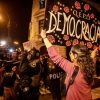
What is Not Good for Democracy in Peru is Not Good for Women
"We are facing a deeply conservative government that is opening the doors to all kinds of setbacks. We have a failed state with a democracy that is no longer a democracy," said Gina Vargas, a Peruvian feminist internationally recognized for her contributions to women's rights.
Mexican Cooperative Promotes Energy Transition on Indigenous Lands
What began as a search for fair prices for indigenous handicrafts in 1985 has evolved into a women's organisation in Mexico that promotes climate justice while advocating for land and environmental rights.
Higher Education Course Rescues Indigenous Guarani Culture in Argentina
A few years ago, Bernardo Olivera moved to Posadas, the capital of the Argentinean province of Misiones, to study mathematics at the public university. Interested in numbers and keen to progress, he felt, however, that the education system put a barrier in his way because of his indigenous origin.
Various Uncertainties Block Indigenous Land Rights in Brazil
A never-ending battle threatens the indigenous rights that seemed clear and secure in Brazil, until the extreme right emerged in 2018 with a force challenging the civilisational advances set out in the Constitution.
Solar Energy Useless Without Good Batteries in Brazil’s Amazon Jungle
“Our electric power is of bad quality, it ruins electrical appliances,” complained Jesus Mota, 63. “In other places it works well, not here. Just because we are indigenous,” protested his wife, Adélia Augusto da Silva, of the same age.
Chile’s Mapuche Indians Hurt by Rejection of a Plurinational Constitution
Mapuche indigenous leaders were hit hard by what they see as a collective defeat: the rejection in a September referendum of a plurinational, intercultural constitution proposed to Chile by an unprecedented constituent assembly with gender parity and indigenous representatives.
Racism Hurts People and Democracy in Peru
Banning the use of the same bathroom, insults and calling people animals are just a few of the daily forms of racism experienced by people in Peru, a multicultural, multiethnic and multilingual country where various forms of discrimination are intertwined.
One Hundred Years On, Argentine State Acknowledges Indigenous Massacre in Trial
It’s a strange trial, with no defendants. The purpose is not to hand down a conviction, but to bring visibility to an atrocious event that occurred almost a hundred years ago in northern Argentina and was concealed by the State for decades with singular success: the massacre by security forces of hundreds of indigenous people who were protesting labor mistreatment and discrimination.
Even as IUCN Congress Closes, Conservation Debate Hots Up
One of the most hotly debated issues at the recently concluded IUCN Congress in Marseilles was about designating 30 percent of the planet's land and water surface as protected areas by 2030.





The Week with IPS

NEXT STOP - SDGs
Tracking global progress towards a sustainable world
Tracking global progress towards a sustainable world
