Languages
Thursday, October 15, 2026



News and Views from the Global South
Israel

Guarded Tone in Geneva as Negotiators Seek Iran Accord
Amidst rising expectations of a breakthrough, Iran and six world powers Wednesday resumed their quest for a deal on Iran’s controversial nuclear programme that seemed just within reach earlier this month.Scowcroft, Brzezinski Urge Iran Accord
Two pillars of the U.S. foreign policy establishment urged Congress Monday to forgo any new sanctions legislation directed against Iran, warning that it will risk “undermining or even shutting down” ongoing negotiations over Tehran’s nuclear programme.
Christians Queue to Join Israeli Army
In the municipal sports hall with an army officer to his side, Father Gabriel Nadaf, a Greek Orthodox Arab priest in full regalia, briefs Arab Christian twelfth-graders on the merits of serving in the Israel Defence Forces (IDF). “It’s only natural that the country which protects us deserves that we contribute to its defence,” he tells them.Israel’s Nuclear Ambiguity Prodded
As Palestinian-Israeli peace talks and nuclear talks on Iran’s disputed nuclear programme continue, a unique international conference, “A Middle East without Weapons of Mass Destruction (WMDs)”, was held in Jerusalem.
Cracks Widen in U.S.-Saudi Alliance
While Monday’s meeting between Secretary of State John Kerry and Saudi King Abdullah may have helped calm the waters, the latest anxieties and anger expressed by Riyadh toward the United States has reignited debate here about the value of the two countries’ long-standing alliance.
U.S.-Iran Poised for Breakthrough on Hostage Crisis Anniversary
On the 34th anniversary of the seizure by Iranian militants of the U.S. Embassy in Tehran, a growing number of experts here believe Washington and the Islamic Republic may be moving toward détente, if not rapprochement.
A ‘Green Intifadah’ Takes Root
“O green Battir, mother of the air,” Mariam Ma’mmar sings in praise of her village. As the hot season draws to a close, the land – her people’s strength – dries up. Not here in her Battir, where a peaceful form of resistance against the Israeli occupation is taking root.U.S. Jews Less Hawkish on Iran
Despite renewed calls in Congress for increasing pressure on Iran, support for a U.S. attack against the Islamic Republic has declined markedly over the past year, according to the latest in an annual series of polls carried out by the American Jewish Committee (AJC).Netanyahu Budging Slightly on Iran
Israel keeps urging the group of six major powers to agree nothing less than a full dismantlement of Iran’s nuclear capability. Yet Israeli Prime Minister Benjamin Netanyahu might have to come to terms with settling for an agreement which, though sustainable, falls short of his longstanding demand.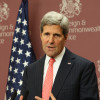
For U.S. in the Mideast, the Ice Is Getting Thinner
New and unexpected strains in Washington’s ties with two of its closest Middle Eastern allies -- Saudi Arabia and Turkey -- have underlined the difficult challenges the administration of President Barack Obama faces in navigating its way in the region’s increasingly treacherous and turbulent waters.OP-ED: The End of the Beginning
The talks between Iran and the P5+1 countries last week bring to mind Winston Churchill’s 1942 description of World War II: “It is not even the beginning of the end. But it is, perhaps, the end of the beginning.”BOOKS: Containing Iran Is the “Least Bad Policy” for U.S.
The day that the much-heralded new round of nuclear talks between Iran and the P5+1 world powers opens might seem like the wrong day to pick up Unthinkable, Kenneth Pollack’s new exploration of what to do if talks fail.
Israeli Claim of Iranian ICBM Exploits Biased U.S. Intel
In an effort to provoke any possible opposition in U.S. political circles to a nuclear deal with Iran, Israeli Prime Minister Benjamin Netanyahu has returned to exploiting an old claim that Iran is building intercontinental ballistic missiles that could hit the United States.
Neoconservatives Despair Over U.S.-Iran Diplomacy
A week that began with a blistering denunciation by Israeli Prime Minister Binyamin Netanyahu of Iranian duplicity ended with diminished prospects for Israel to take direct action to address Iran's nuclear capabilities.
Netanyahu Stakes Out Maximalist Position on Iran
Like the proverbial skunk at the garden party, Israeli Prime Minister Benjamin Netanyahu used his turn at the podium at the U.N. General Assembly Tuesday to pour scorn on Iran’s new president, 96 hours after a smiling Hassan Rouhani departed New York after a momentous four-day stay that raised unprecedented hopes for détente with the United States and the West.
Speculation over Iran-U.S. Détente Continues Apace
On the eve of a possible – if seemingly accidental – encounter between U.S. President Barack Obama and Iranian President Hassan Rouhani in the corridors of the U.N. Secretariat building Tuesday, speculation over the possibility of détente between Washington and Tehran has become rampant.Israel Silent on Chemical Weapons
“Does Israel have chemical weapons too?” is the question posed by the U.S. publication Foreign Policy, citing a newly uncovered CIA document from 1983 which alleged that Israel is likely to have developed such weapons.
Mutual Interests Could Aid U.S.-Iran Détente
In the wake of a renewed diplomatic push on the Iranian nuclear front, shared interests in Iran’s backyard could pave the way for Washington and Tehran to work toward overcoming decades of hostility.
Politics Eats Into Palestinian Breadbasket
In the Jordan Valley, contrasts are stark. Lush green agricultural fields and fenced-in greenhouses belong to the Israeli settlements that dot the landscape and benefit from the area’s abundant water supply on one hand. On the other, Palestinian farmers denied access to their lands and other resources by the Israeli authorities struggle to cultivate the most basic crops and make a living wage.
Israelis Prepare Themselves Regardless
Unmindful of news of the U.S. delaying its military action on Syria to pursue the Russian plan for international monitors to take control and destroy Syria’s arsenal of chemical weapons, Israelis continue to collect their gas mask kits at Home Front Command distribution centres.
Even if Syria Complies on Chemical Arms, Six Others Still at Large
If Syria eventually agrees to relinquish its stockpile of chemical arms under the 1993 international Chemical Weapons Convention (CWC), what of the six other countries that have either shown reluctance or refused to join the treaty?« Previous Page — Next Page »





The Week with IPS

NEXT STOP - SDGs
Tracking global progress towards a sustainable world
Tracking global progress towards a sustainable world
