Languages
Monday, October 5, 2026



News and Views from the Global South
Measles
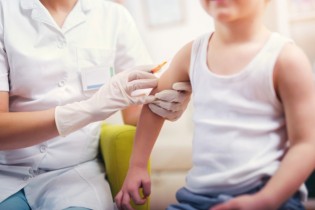
Preventing a Measles Outbreak—the Shared Responsibility of Vaccination
Measles infections are surging right now, with epidemiologists reporting that the number of large or disruptive outbreaks has tripled over the past three years. It is one of the most infectious diseases that we know. The virus spreads through respiratory droplets; when an infected person coughs or sneezes, it can linger in the air for up to two hours and infect 10 others who are not immune.
Opting In: The Value of Vaccines
Since the introduction of vaccines, diseases such as measles and polio were quickly becoming a thing of the past. However, the world’s progress on immunisation is now being threatened.
As Ebola Approaches Zero, Immunisation Gets a Boost in West Africa
As Sierra Leone, Guinea and Liberia work to end Ebola, critical healthcare services damaged by the epidemic are beginning to be revitalised.
Measles Still Kills Thousands of Children Each Year
Measles remains one of the leading causes of death for young children worldwide, even though a safe vaccine is available.
Official Failure Kills Hundreds of Children
It came as no surprise to Dr Zulfikar Ahmad Bhutta, a leading child expert at the Aga Khan University in Karachi, that an outbreak of measles has claimed the lives of more than 300 children in Pakistan. "The tragedy was in the offing," he said, putting the blame squarely on the abysmally low coverage of routine immunisation against childhood diseases.





The Week with IPS

NEXT STOP - SDGs
Tracking global progress towards a sustainable world
Tracking global progress towards a sustainable world
