Languages
Friday, October 9, 2026



News and Views from the Global South
Rohingya

Reviving Dignity: The Remarkable Perseverance of Myanmar’s Displaced
In Myanmar’s Western Rakhine State, over a hundred thousand people displaced by inter communal violence that broke out nearly three years ago remain interned in camps on torrid plains and coastal marshes, struggling to survive.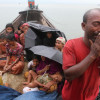
Rohingya Activist Held in Myanmar after Facebook Post
An activist has been arrested in Myanmar after posting photos on Facebook from violent clashes between displaced Muslims and security forces in the country’s restive state of Rakhine, police and an activist have said.
Myanmar Report on Anti-Rohingya Violence Skewed Toward Security
A long-awaited official report on last year’s sectarian violence in western Myanmar is being heavily disparaged by human rights and advocacy groups here, who say a government-backed commission has placed undue emphasis on strengthening security while almost completely ignoring issues of discrimination and accountability.
First Burning Homes, Now Border Patrols
In late August, Mohammad Saifuddin (not his real name), together with his wife, three daughters and son, fled the carnage of communal violence in western Myanmar’s Rakhine province and headed for the border of neighbouring Bangladesh.Myanmar’s Rohingya Face “Permanent Segregation”, Activists Warn
Following sectarian violence in the western Myanmar state of Rakhine in June, human rights researchers are now warning that the government appears to be attempting to permanently house parts of the stateless Muslim-minority Rohingya in “temporary” refugee camps, segregating them from the rest of the population.
Mob Violence Continues Against Myanmar’s Rohingya
Myanmar, also known as Burma, has taken important steps towards democracy and greater respect for human rights during the last months with one exception, activists say – the situation for the Rohingya minority, which has faced an outburst of violent attacks this summer.« Previous Page





The Week with IPS

NEXT STOP - SDGs
Tracking global progress towards a sustainable world
Tracking global progress towards a sustainable world
