Languages
Wednesday, September 16, 2026



News and Views from the Global South
SADC
POLITICS: Zimbabwe’s State Media Give With One Hand, Take Away With Another
On the face of it, the new broadcasting regulations issued last month in Zimbabwe were groundbreaking. For the first time in the history of Zimbabwean elections, the opposition would be legally allocated time on state-owned radio and television in the run-up to a parliamentary poll, scheduled for Mar. 31.
POLITICS-DRC: The Challenge of Piecing Together a “Failed State”
This weekend sees a new military operation underway in the Democratic Republic of Congo. Reports from the central African country say about 800 United Nations troops have been deployed in the north-eastern Ituri region to disarm local militias held responsible for the death of nine peacekeepers last month.RIGHTS-ZIMBABWE: A Drop-In Centre for Kids Who Drop Out
Thomas is hunched over a car engine, busily dismantling it, his hands covered in grime. He seems so adept that a casual observer might mistake him for a veteran mechanic. But, nothing could be further from the truth.INT’L WOMEN’S DAY: South Africa Linked in the Global Human Trafficking
Human trafficking, particularly of women and children, in South Africa is not slowing down while the country’s government has not yet implemented legislation recognising this vicious flesh trade as a crime.
RIGHTS-SOUTH AFRICA: The San a “Community Fast Losing Hope”
The plight of an indigenous community in South Africa, the San, was placed in the spotlight this week with the launch of a report by the South African Human Rights Commission.RIGHTS-SOUTH AFRICA: Giving the Budget a Gender Agenda
Talk is cheap, but carrying out the promises you make less so. That being the case, has all the talk about ensuring equality between men and women in South Africa resulted in action where it counts most: the allocation of funds along gender lines in the national budget?
POLITICS-MALAWI: Corruption-Busting President Tries to Forge New Party
Will they or won't they? This question is on the lips of political observers in Malawi at present, as they wait to see whether substantial numbers of ruling coalition or opposition members will support the country's newest political grouping: the Democratic Progressive Party.POLITICS-ZIMBABWE: Will the Opposition’s Campaign Trip Up on Purse Strings?
The topic of campaign finance is rarely far from the minds of politicians or pundits in the run-up to elections – and Zimbabwe is no exception to this rule. With the country in the midst of a political and economic crisis, it may even be a hotter topic of discussion here than elsewhere.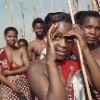
RIGHTS-SWAZILAND: For Women, Constitution Is a Curate’s Egg
There are several reasons why women's rights activists might welcome Swaziland's new constitution, intended to replace the document that was suspended by King Sobhuza in 1973. Then again, there are also reasons why they might not.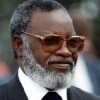
POLITICS: For Outgoing Leaders, Namibia Is the Place to Be
It is the type of retirement package that even those leaders most wedded to their jobs might be seduced by.HEALTH-SOUTH AFRICA: ARVs Elusive for Refugees and Illegal Immigrants
Every year, thousands of Africans fleeing war and economic hardship make a perilous journey towards the tip of the continent - their sights set on a better life in the regional powerhouse, South Africa.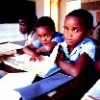
EDUCATION-ZIMBABWE: A Dubious Report Card for Grade Zero
Hats a size too large for most of the small heads, formal school uniforms equally incongruous, they march on regardless - the vanguard in an effort to bring pre-schoolers into Zimbabwe's education system.
POLITICS-SWAZILAND: A Car Too Swish for its Own Good?
Said to be one of the ten most expensive cars in the world, the Maybach 62 is sleek, glamorous and – some might argue – a little out of place in a country where two thirds of the population lives below the poverty line.RIGHTS-AFRICA: Uganda, DRC in Sights of International Criminal Court
Luis Moreno Ocampo, chief prosecutor of the Netherlands-based International Criminal Court (ICC), is going to be a busy man this year as far as Africa is concerned.POLITICS-IVORY COAST: Mbeki Soldiers On
The past few days have seen South African President Thabo Mbeki push ahead with his initiative to bring peace to the Ivory Coast, even postponing his departure for the World Economic Forum. As the week ends, however, it is clear that the future of the West African state still hangs in the balance.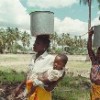
HEALTH-MOZAMBIQUE: Volunteers Worth Their Weight in Gold
The tall man is skeletal. Even so, it is a huge feat for him to muster up the energy to sit upright in front of his visitor – a young, vibrant woman.
TRADE-SOUTHERN AFRICA: Textile Industries in Turmoil
A few years ago, the tiny kingdom of Lesotho appeared to have a lot on offer for investors: cheap labour, generous tax incentives and proximity to the regional powerhouse, South Africa.
EDUCATION-SWAZILAND: AIDS Orphans on (Somewhat) Firmer Ground
In May last year, IPS reported that teachers in Swaziland were at loggerheads with government over the delicate matter of admitting AIDS orphans to schools free of charge. With the new academic year looming, has the situation improved?
ECONOMY-AFRICA: Debt Activists Keep the Champagne on Ice
Civil society groups and anti-debt campaigners in Africa have cautiously welcomed a British proposal for the debt of Africa’s poorest states to be cancelled.
RIGHTS-ZIMBABWE: Journalists Shrug Off Government’s Media Straitjacket
Media rights watchdogs have long criticised the conditions under which journalists in Zimbabwe operate. Since the start of the year, however, the circumstances of the country’s media have become bleaker still.DEVELOPMENT-AFRICA: Britain Once a Coloniser – Now a Saviour?
Britain's Chancellor of the Exchequer, Gordon Brown, paid a lightning visit to Kenya, Wednesday - this at the start of a week-long tour of Africa that is aimed at garnering support for efforts to fight poverty on the continent.« Previous Page — Next Page »


The Week with IPS

NEXT STOP - SDGs
Tracking global progress towards a sustainable world
Tracking global progress towards a sustainable world
