Languages
Tuesday, October 6, 2026



News and Views from the Global South
Sri Lanka
SRI LANKA: Radio Play Poses New Questions About Journalist's Murder
A BBC documentary on Sri Lankan journalist and actor Richard de Zoysa poses fresh questions about his brutal murder, 19 years ago, by highlighting little-known facts about his links to a revolutionary group involved in two bloody insurgencies, but is now the country's third largest political force.
SRI LANKA: Floods, Fighting, Food Shortages Hit Trapped Tamils
Incessant rains and flooding in the Vanni, the Tamil rebel stronghold in northern Sri Lanka, are adding to the woes of at least 200,000 people stranded in intensified fighting between the Liberation Tigers of Tamil Eelam (LTTE) and the Sri Lankan army since mid-September.SRI LANKA: Oil Futures Gamble Burns 300 Million Dollar Hole
The Sri Lankan government is grappling with a costly 300 million dollar payout to Citibank and Standard Chartered Bank (SCB), following a disastrous oil futures contract between the banks and the state-owned Ceylon Petroleum Corporation (CPC).MEDIA-SRI LANKA: Under Fire Journos Learn Survival Skills
For journalists on the job in Sri Lanka - considered by international media rights bodies to be the third most dangerous place to work in, after Iraq and Somalia - staying safe is a prime concern.
SRI LANKA: Gov't Celebrates Battle Gains in Tamil Areas
Sri Lankan national flags hoisted at important locations and posters depicting army offensives against the Tamil rebels are part of week-long celebrations ordered by the government of President Mahinda Rajapakse to mark its latest battlefield victories in the north of the island.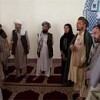
DEVELOPMENT: UNFPA Battles “Norm” of Gender Inequality
Despite a slew of U.N. conventions and international agreements against discrimination of women, gender inequality is widespread and remains deeply rooted in many cultures, according to the U.N. Population Fund (UNFPA).ECONOMY-SRI LANKA: ‘War Budget’ Ignores Int’l Criticism
President Mahinda Rajapakse’s annual budget, that increases spending on the armed forces, has drawn mixed reactions. While supporters have welcomed it as a budget that breaks away from dependency on foreign loans and grants, opponents say it will exacerbate economic woes.SRI LANKA: Media Groups to Challenge New Restrictions
Media groups in Sri Lanka, already restricted from covering the war against Tamil rebels in the north, are bracing to challenge new regulations that seek to control television broadcasting and new media.
SRI LANKA: Spinning Livelihoods From Coir Fibre
Sriyawathie wades into a murky, greenish pond in this coastal district and scoops out coconut husks that have been left in the water for retting before being dried and spun into coir rope, matting and brooms.
SRI LANKA: Tamil Rebels Defy Siege With Aerial Bombings
Aerial bombings carried out on the capital and a northern military base, late Tuesday night, have signalled that the Liberation Tigers of Tamil Eelam (LTTE) remains a fighting force - despite being besieged in its headquarters of Kilinochchi by the Sri Lankan army.RIGHTS-SRI LANKA: Court Steps in as Governance Falters
Finding themselves up against corrupt politicians and indifferent governance, Sri Lankans are increasingly turning to the country's Supreme Court for relief, even for solutions to everyday issues.RIGHTS-SRI LANKA: Migrants Deaf to Death Penalty Warnings
Foreign workers and their families continue to turn a blind eye to the risk of execution in the Middle East, particularly to the dangers of going to Saudi Arabia with its 'macabre' death penalty system.
SRI LANKA: War May Cost Trade Benefits From EU
By refusing to allow the European Union to probe implementation of international labour and human rights covenants, on the grounds of sovereignty infringement, the Sri Lankan government may be jeopardising trade concessions and risking jobs in this country.
SRI LANKA: Protect Tamil Civilians – India
As the Sri Lankan army stands poised to overrun the last Tamil rebel strongholds, Indian Prime Minister Manmohan Singh has called for steps to protect an estimated 220,000 civilians trapped by the fighting in the northern part of the island.
SRI LANKA: ‘Rice Paddies More Valuable Than Int’l Airport’
Sri Lankan rice farmers who fought against President Mahinda Rajapakse and his powerful brothers, trying to construct an international airport on their paddies, say they won because their cause was just and enjoyed popular support.SRI LANKA: Trading Debts Against Carbon Credits?
Little Sri Lanka wants developing countries to be able to trade their debts against the environment destruction and climate change attributed to the developed nations.SRI LANKA: Cornered Tamil Rebels Resort to Suicide Bombing
Cornered by the Sri Lankan army in their northern stronghold of Kilinochchi, the Liberation Tigers of Tamil Eelam (LTTE) struck back on Monday with the deadliest weapon in their arsenal, the suicide bomber, killing a former army chief and 24 other people.SRI LANKA: Gov’t Pledges Steady Supplies to Trapped Tamils
The Sri Lankan government will organise weekly food convoys and maintain supplies to 220,000 civilians trapped by fighting between Tamil rebels and the army for control over Kilinochchi town and the surrounding area known as the Vanni.
SRI LANKA: UN Supplies to Rebel-Held Areas Will Resume
Tens of thousands of civilians, trapped by fighting between Tamil rebels and the Sri Lankan armed forces in the Vanni, may soon receive their first supplies of essentials since Sep. 16 when United Nations and other humanitarian agencies quit the embattled area.
SRI LANKA: Help For Embattled Civilians Missing
An estimated 230,000 people are in dire need of assistance in the northern areas of Sri Lanka that remain under the control of Tamil separatist rebels, according to international humanitarian agencies.
SRI LANKA: Supplies to Tamil Rebel Areas Firmly in Gov't Hands
With the United Nations and other international humanitarian agencies vacating the Tamil rebel stronghold of Kilinochchi, now under army siege, the onus of maintaining essential supplies to tens of thousands of civilians in the area called the Vanni has fallen on the government.« Previous Page — Next Page »





The Week with IPS

NEXT STOP - SDGs
Tracking global progress towards a sustainable world
Tracking global progress towards a sustainable world
