Languages
Sunday, October 4, 2026



News and Views from the Global South
The Amazon
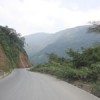
PERU: A Highway Built to Be Flooded
Construction workers are fighting the clock to finish the last stretch of the Southern Inter-Oceanic Highway, in southeastern Peru, apparently unaware that about 100 kilometres of this road connecting to Brazil will be covered by water once the Inambari hydroelectric dam is built nearby.
BRAZIL: Environmentalism Not a Top Priority for Voters
Getting voters to put a priority on policies that protect the environment is a challenge facing environmentalists and politicians in Brazil, especially in areas lacking in basic infrastructure, like the Amazon jungle.
PERU: Jungle Residents Weigh Mega-Dam’s Promises and Pitfalls
In southeastern Peru, a message is circulating that has left some dubious, and others hopeful: "The Inambari hydroelectric dam will end illegal mining and coca crops, and bring development and jobs."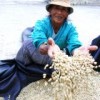
PERU: Women Farmers Dream in Organic Flavours of Coffee
It's Saturday and the women hurry in to the cooperative's warehouse in this rural town in southeastern Peru with their huge bags of coffee beans on their backs. Some come on their own, others are accompanied by their husbands or children. But they have all hiked long distances from their farms in the mountains where they grow some of the world's top organic specialty coffee.
BRAZIL: Oil Palm Industry Seeks to Atone for Its Sins
"Better 'dendê' than cattle," says Violeta dos Reis, who cooks and serves meals in the small eatery she runs with her husband in the community of Arauaí in Brazil's northern Amazon jungle. In this rural area, a new world is opening up for poor farmers.
BRAZIL: Small-scale Palm Oil Production Is Women’s Work Too
"This isn't women's work," they told her. But Benedita Nascimento is now one of the most outstanding success stories of a family farming programme involving palm oil production in Brazil's eastern Amazon jungle.
BRAZIL: Laws No Help to Amazon Animals, or People
Every year, more than a million Amazonian turtle eggs do not make it to the hatching period, nor do they serve as food for humans in the Tabuleiro de Embaubal, a series of beaches along the final stretch of Brazil's Xingú River.
Brazilian Dam Would Put Peruvian Jungle Under Water
Seen from up high, the route to Puente Inambari looks like a green serpent -- long, robust and sinuous. The Amazon jungle that dominates this landscape will be underwater if one of the largest hydroelectric dams in Peru (and all Latin America) is built.
BRAZIL: Water Abounds in Amazon, But Sanitation Is Scarce
It might seem a bit strange to adopt, in the Amazon rainforest, a solution developed for drought-stricken northeastern Brazil. But rainwater collected on rooftops and stored in tanks is helping to improve the health, hygiene and overall living conditions of rural communities in the jungle.
BRAZIL: Environmental Impact Studies on Dams Count for Little in Amazon
"It's a fait accompli," acknowledges André Villas-Boas, head of the independent SocioEnvironmental Institute (ISA), resigned to the fact that the legal actions and protests have failed to block the construction of the Belo Monte hydroelectric dam in Brazil's Amazon jungle region.Slack Oversight of Peru’s Amazon Rainforest
Fifty-three percent of Peru is covered with native rainforest, but the agencies in charge of protecting and monitoring this vast area are toothless and have neither the staff nor the resources to cope with the job, according to a report from the Defensoría del Pueblo (Ombudsperson's Office).
BRAZIL: Electricity Trumps Biodiversity for Xingu River
Herculano Porto de Oliveira, of Brazil, said he felt forced "to live in hiding on my own land, though I never fought with anyone or stole anything," just for making a living from the biodiversity of the Amazon's Xingú River Basin, where he was born 66 years ago.
PERU: ‘Don’t Minimise’ Impacts of Amazon Oil Spill
Pluspetrol's Jun. 19 petroleum spill has left the Marañón River, in the Peruvian Amazon, with oil and grease levels thousands of times greater than the maximum allowed for human consumption, affecting more than 4,000 local residents.
BRAZIL: Belo Monte Dam Means Floods for Some, Drought for Others
"There will be two years of abundance, and then famine," says Brazilian indigenous leader José Carlos Arara, laying bare his opinion of the promises that the Belo Monte hydroelectric dam will not alter the living conditions of the people in this part of the eastern Amazon.
BRAZIL: Belo Monte Dam Will Change Way of Life on Xingu River
At dawn, the "captain" fired on the village leader and the shooting began. "The forest trembled," says one survivor: the local indigenous people fled, leaving their dead behind. Only one young girl remained. But she sank her teeth into the chest of one of the assailants with such force that they slit her throat to pull her off him.BRAZIL: Forestry Law Reforms Augur More Disasters
While the Brazilian authorities tally the death toll and the economic losses caused by recent torrential rains in the northeast, activists warn that a legislative bill to modify the Forestry Code will only worsen the effects of extreme weather, which is increasingly frequent in the context of climate change.BOLIVIA: 69-Year-Old Native Leader Heads 1,500-Km March
Indigenous elder Ernesto Noé, 69, is once again leading his people on a long march from Bolivia's Amazon jungle, to protest environmental damages caused by the oil industry and demand respect for native land rights.
ENERGY: Brazilian Dams in Peru’s Jungle, to Supply Brazil
An energy deal that Peru and Brazil signed this week in the Amazon city of Manaus in Brazil is opposed by environmentalists and local indigenous communities in Peru where the planned hydroelectric dams will be built. What is at stake?BRAZIL: Thirst for Energy Drives Construction of More Dams in Amazon
Electricity consumption in Brazil will rise by 5.9 percent a year until 2019, and hydroelectric plants will continue to be the main source of power because they generate it at a lower cost, the government announced.BRAZIL: Bridge to Drive Urban Growth in Heart of Amazon
The 74 pillars that will hold up the bridge over the Negro river to join this major city in Brazil's Amazon jungle to nearby urban districts have mostly been laid, without environmental protests or major debates on the impact of a fast-growing metropolitan area in the heart of the Amazon rainforest.
CLIMATE CHANGE: Forests Not for Absorbing Carbon, Say Activists
The UN-led global initiative to use forest conservation as a way to offset greenhouse gas emissions heated things up at the people's summit against climate change in Bolivia. In the end, the participants reached a consensus - and rejected the plan.« Previous Page — Next Page »


The Week with IPS

NEXT STOP - SDGs
Tracking global progress towards a sustainable world
Tracking global progress towards a sustainable world
