Languages
Thursday, October 8, 2026



News and Views from the Global South
For the Aged, Their Sunset Years Will Be Bedeviled by Lethal Heatwaves
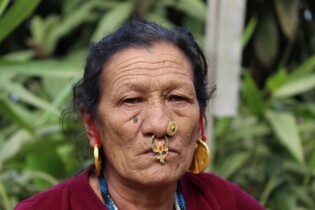
The global population is aging at a time when heat exposure is rising due to climate change. Extreme heat can be deadly for older populations given their reduced ability to regulate body temperature. Already there has been an 85 percent increase since 1990 in annual heat-related deaths of adults aged above 65, driven by both warming trends and fast-growing older populations.
Multi-Year Drought Gives Birth to Extremist Violence, Girls Most Vulnerable
While droughts creep in stealthily, their impacts are often more devastating and far-reaching than any other disaster. Inter-community conflict, extremist violence, and violence and injustice against vulnerable girls and women happen at the intersection of climate-induced droughts and drought-impoverished communities.
Rising Temperatures, Rising Inequalities: How a New Insurance Protects India’s Poorest Women
As Deviben Dhaundhaliya, 45, a streetside seller of artificial jewelry, waits for her husband Devabhai to arrive and help her shift their iron-frame mobile ‘shop’ to the Bhadra Fort open-air marketplace in Ahmedabad city, she tells of how “as heat increased, my wares started melting under the direct exposure to the sun, or they got discolored.”
Can These Prehistoric Sea Creatures Survive Climate Change?
In November, tens of thousands of male olive ridley sea turtles (Lepidochelys olivacea) start congregating on just five kilometers of nearshore in Odisha in eastern India. They wait for the females of the species to arrive. The survival of these prehistoric sea species has largely depended on suitable pairing and mating. However, research findings from around the world indicate that, in the long term, there may be a limited number of males at these mating sites compared to an overwhelming number of females.
How Women Volunteers Are Shaping India’s Water Future
“Daily squabbles at the lone water point in Bhubaneswar’s slums, where hundreds of households depended on this single non-potable water source, have now receded into the past,” says Aparna Khuntia, a member of a large cohort of water volunteers who have played an important enabling role in ensuring households in the eastern India city now have their own on-premises potable running tap water available all 24 hours.
Women Warriors Winning Fight to Bring Back Indigenous Food Traditions
As the school lunch bell goes off, 40 eager little bodies—41 if you count the school dog—burst out onto the veranda. Awaiting them are a stack of steel platters, into which will be ladled a nutritious and delicious lunch, all of it indigenous cuisine.
How Women in Ahmedabad Slums Are Beating Back Climate’s Deadly Heat
Seema Mali is desperate. She has no defences against this changing climate’s brutal heat. Mali makes fresh flower garland the whole year, but her summer income has been plummeting by 30 percent over the last 8–10 years due to the extreme heat.
The Relentless Struggles of India’s Seawall Mammas
The sun is high in the noon sky—humidity unrelenting at 95 percent in this Indian sea-coast village. The monsoon has been deficient; rice paddies are yellowing on the edges from the salty surf misting in on them. Waves now break barely 200 metres from the farms and homes.
Himalayan Monsoon Disaster: Climate Change Colludes with Bad Development
As torrential rains, cloudbursts, floods, and landslides continue to wreak colossal damage and claim lives in Himachal Pradesh, India’s Himalayan foothill provinces. The question everyone is asking is: why is this happening?
IPBES to Release New Assessments on the Values of Biodiversity and Sustainable Use of Wild Species
Speaking to IPS about the importance of biodiversity and nature's contributions to people, Dr Anne Larigauderie, Executive Secretary of the Intergovernmental Platform on Biodiversity and Ecosystem Services (IPBES), stressed the importance of moving from knowledge and policy silos to a more integrated approach to achieving the Sustainable Development Goals (SDGs), especially those related to food, water, health, climate change, and energy, which can only be achieved together with the two goals related to biodiversity.
Even as IUCN Congress Closes, Conservation Debate Hots Up
One of the most hotly debated issues at the recently concluded IUCN Congress in Marseilles was about designating 30 percent of the planet's land and water surface as protected areas by 2030.
IUCN Congress to Push for Stronger Regulations against ‘Imported Deforestation’
As Arti Prasad rode the Kuala Lumpur Pavilion mall escalator up to the third floor, a pair of luscious lips pouted down at her. Next to the towering and oversized lips, the vibrant red shades of lipstick on the giant screen immediately caught the 36-year-old Indian tourist’s fancy.
As Climate Disaster Migration Rises, Girls Get Married Off
When 11-year-old Mitali Padhi hugged her childhood friends to say goodbye, she felt a deep-seated foreboding.
With a Little Help, Local Communities Rack up Record Success with Heritage Rice Grains
Madhuri Roy left the famous Kamakhya temple in Guwahati, Assam. She had sought the goddess’s blessings for the safe delivery of her youngest daughter's baby, which was due in a few weeks. Shanty shops lined the temple outside and Roy’s eyes fell on a stack of black rice packets. All through her daughter’s pregnancy she had craved her childhood favourite black rice pudding. But during the country’s COVID-19 lockdown Roy could not procure it even though Meghalaya, her Himalayan home state, grew it.
Call for Political Belt-tightening to Prevent Drought Becoming the Next Pandemic
“Drought is on the verge of becoming the next pandemic and there is no vaccine to cure it.”
– UN Blueprint that Could Urgently Solve Earth’s Triple Climate Emergencies –
On the occasion of World Environment Day, 5 June 2021, drawing from IPS’s bank of features and opinion editorials published this year, we are re-publishing one article a day, for the next two weeks. The original article was published on February 19 2021

UN Blueprint that Could Urgently Solve Earth’s Triple Climate Emergencies
“Our war on nature has left the planet broken. This is senseless and suicidal. The consequences of our recklessness are already apparent in human suffering, towering economic losses and the accelerating erosion of life on Earth,” António Guterres Secretary-General of the United Nations said.
India Glacier Disaster: In a Warming World is there no Less Lethal Way to Power Development?
On Sunday morning, Feb. 7, as most of the working-class in India’s Himalayan State of Uttarakhand went about their chores, the glacier-fed Rishi Ganga river started rising. Two hours later, swollen with rock debris and snowmelt, its waters rose 53 feet — the height equivalent of a five-storey building.
International Partnership Helps Mongolia Counter Climate Change
Climate warming is believed to have taken place at some of the fastest rates in the world in Mongolia, raising the country's average temperatures by 2.24°C between 1940 and 2015, with the last decade being the warmest of the past 76 years.
Online Education Moved to Top of Agenda by Indian State after IPS Reports Risks of Unequal Access
High up at an altitude of between 1,500 to 4,000 feet in India’s eastern Odisha state, live the Bonda people — one of this country’s most ancient tribes, who have barely altered their lifestyle in over a thousand years.
E-learning Divide Places World’s Disadvantaged Children at Risk of Dropping Out
The COVID-19 pandemic has brought a new layer of challenges to inclusive education. As many as 40 percent of low and lower-middle income countries having not supported disadvantaged learners during temporary school shutdowns, finds United Nations Educational, Scientific and Cultural Organization’s 2020 Global Education Monitoring Report released today, Jun. 23.Next Page »





The Week with IPS

NEXT STOP - SDGs
Tracking global progress towards a sustainable world
Tracking global progress towards a sustainable world
