Languages
Sunday, November 8, 2026



News and Views from the Global South
Opinion
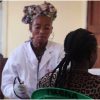
Protecting Women’s Reproductive Health During the Pandemic
“When I was 13… I got pregnant from my older brother… He raped me starting when I was 11,” a girl from Guatemala told one of us in 2015. She was one of the 2 million girls under 15 worldwide who give birth each year, often due to sexual violence.
COVID-19: Why We Must Reset Our Thinking
Covid-19 is the most significant event since the Second World War. It changes everything. It brings great sadness to many of us as we lose loved ones, as we see people losing their jobs, and as we see people around the world suffering immensely.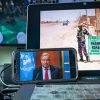
US Pulls the Plug on a UN Global Cease-Fire Resolution
After six weeks of negotiations, the United States shot down hopes for a resolution to be approved in the United Nations Security Council on May 8, refusing to back worldwide cease-fires as the US continues to castigate China and the World Health Organization for the Covid-19 pandemic. Meanwhile, momentum behind tenuous cease-fires is vanishing, experts say.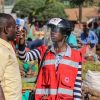
Finding Money for Public Health, Green Economic Recovery & SDGs
The coronavirus pandemic underscores the profound fragility and unsustainability of today’s world. It exposes the chronic underinvestment in human health and well-being and the consequences of a relentless exploitation of biodiversity and the natural environment.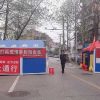
‘Passing the Buck’ Becomes Reckless ‘Conspiracy Blame Game’
Although Wuhan local authorities undoubtedly ostracized local medical whistle-blowers, notably Dr Li Wenliang, who suspected a new virus was responsible for flu-like infections in Wuhan in late 2019, official responses were apparently not delayed, and possibly even expedited, as the novel character of the SARS-CoV-2 virus, responsible for Covid-19 infections, was not immediately self-evident.
NGOs – with Local Groups in the Lead – are on COVID-19 Frontlines
NGOs, at the international, national - and most of all local - level are on the frontlines every day. I just heard from Oxfam staff in Bangladesh, that when asked whether they were scared to continue our response with the Rohingya communities in Cox’s Bazar, they replied: “They are now my relatives. I care about them — and this is the time they need us most.’”
VE Day Marks the End of the Second World War-But the World is Still at War
The world commemorated the 75th Anniversary to mark the end of the 2nd World War also called VE Day on 08 May 2020. With her nation, and much of the world still in lockdown due to COVID 19, England’s Queen marked 75 years since the allied victory in Europe with a poignant televised address. From Windsor Castle, Queen Elizabeth said, “the wartime generation knew that the best way to honour those who did not come back from the war, was to ensure that it didn’t happen again”.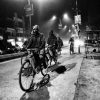
The Role of Civil Society in Times of Crisis
The ongoing COVID-19 pandemic has shown us something that most of us haven’t seen in our lifetimes: Large numbers of people unable to have two meals a day.
Religion & its Discontents: Considerations Around COVID-19 & Africa
COVID-19 has spread to many nations around the world, and has been declared a pandemic by the World Health Organization. In the global south, the COVID-19 pandemic has stretched the available medical and health resources, triggered economic shocks, and caused social upheavals and insecurity in many countries and localities.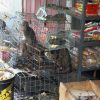
COVID-19 & Human Health Risks Linked to Wildlife Trade Practices
At the time of writing, the COVID-19 pandemic is raging worldwide, causing human mortality and socio-economic disruption on a massive scale and it appears highly likely that profound impacts will continue for many years to come.Time for the World Bank and IMF to Be the Solution, Not the Problem
The World Bank and the International Monetary Fund (IMF) have a historic opportunity to help stabilize a world reeling from COVID-19. Doing so will require the institutions to change course and aggressively support poor countries’ ability to invest broadly in the government services their populations need.
COVID-19 Pandemic Vulnerable to Exploitation by Proliferators, Terrorists & Criminals
Even during this pandemic, perhaps especially during this pandemic, the global institutions to help prevent the spread of biological and chemical weapons to proliferators or terrorists must continue their work.
COVID-19: Developing Countries Must Not be Left Behind
Globalization has been a driver for increased prosperity world-wide, but it has been in reverse in the last years due to the growth of populism in the USA and Europe. The COVID-19 pandemic may well provide further momentum to increasingly national-interest oriented policies in the west.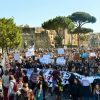
How Coronavirus Makes us Rethink Youth Protests
As social distancing, quarantines and lockdowns have spread across the globe to slow the spread of coronavirus, they have imposed some of the greatest worldwide restrictions on public gatherings in living memory. These restrictions may be necessary for public health, but they require the most anxious scrutiny to prevent them being misused to quash legitimate political expression and discriminate against protesters, including children and young people who mobilise.
Global Impact of New Corona Virus and Population Issues
The new coronavirus (COVID-19) continues to wreak havoc across the world, as the number of infections and deaths rapidly rise. It has the potential to infect anybody regardless of age or gender. There are grave concerns that the economic fallout from COVID-19 may be comparable to that of the Great Depression. According to Johns Hopkins Coronavirus Resource Center, there are 2,064,668 confirmed cases of COVID-19 and 137,124 deaths due to SARS-CoV-2 (the virus causing COVID-19). In Japan as of noon April 15, there were 8,100 cases of COVID-19 , 119 deaths, and 901 patients discharged from hospitals.
Financial Scams Rise as Coronavirus Hits Developing Countries
In the Philippines, Peru, India, Kenya, South Africa and many other developing countries, poor people who are already struggling with the health impact of the coronavirus pandemic have been targeted by online fraudsters trying to take unfair advantage of them.
Argentina Responds Boldly to Coronavirus Crisis
Like much of the West, Argentina did not take many early precautionary actions after the Covid-19 epidemic was confirmed in January, but became the first Latin American country to act decisively with a 12 March public health emergency declaration. The presidential decree came a day after the World Health Organization (WHO) declared a global pandemic, just over a week after the first case was detected in the republic on 3 March.
The Unseen Link Between Clean Cooking and the COVID-19 Pandemic
The COVID-19 pandemic has exacerbated inequalities and revealed to what extent current economic models are not sustainable. It has also shown that most countries are not equipped to cope with a health crisis.
Impact of COVID-19 on Tourism in Small Island Developing States
The COVID-19 pandemic and the measures put in place to contain its diffusion are taking a heavy toll on the tourism sector. According to the United Nations World Tourism Organization (UNWTO), the COVID-19 pandemic will result in a contraction of the tourism sector by 20% to 30% in 2020.
Freedom of the Press as a Guarantee for Human Dignity and Well-Being
United Nations has designated at least 170 specific days of the year as occasions to mark particular events or topics to promote the objectives of the Organization. 2 This might be considered as yet another sign of a supersaturation caused by the internet revolution. However, it cannot be denied that certain issues need to be globally recognized and amended. UNESCO has declared that the 3rd of May will be a day to remind us that media are in several parts of the world under attack, their independence are denied, critical thinking is considered as a threat and journalists seeking the truth are harassed, threatened, roughed up, or even killed. I would like to add that it is also an opportunity to acknowledge that communication, critical thinking, and imagination are essential parts of human existence and culture, if this is suppressed the entire humanity will suffer.
Journalism is Not a Crime…and Fake News on Social Media is Not Journalism
This year’s World Press Freedom Day on 3 May falls during COVID-19 lockdowns in many of our countries. Restriction on movement means journalists all over the world are facing obstacles in getting interviews and data, and verifying stories before publishing.« Previous Page — Next Page »





The views expressed in these articles are those of the authors and do not necessarily represent the views of, and should not be attributed to, IPS-Inter Press Service

The Week with IPS

NEXT STOP - SDGs
Tracking global progress towards a sustainable world
Tracking global progress towards a sustainable world
