Languages
Tuesday, October 6, 2026



News and Views from the Global South
MEXICO: Craftswomen Weave a Better Future Out of Recycled Garbage
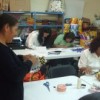
Women's laughter fills the rectangular room on the ground floor of a building that houses a school for 250 local children, on the southern edge of Mexico City's sprawling metropolitan area.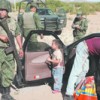
Mexican Govt Turns a Blind Eye to Orphaned and Disabled Children
A baby hits the floor when his father, who was holding him in his arms, is murdered in Mexico. A two-year-old watches from her stroller as six drug addicts are killed in a rehabilitation centre, including her mother. The mother of another three-year-old never makes it to collect him from his nursery.
MEXICO: Conservation Can Be a Weapon Against Poverty
"I cut down all of that section," said Esteban Martínez as he pointed to a rectangle of land cleared of trees in the central Mexican state of Querétaro.
Conservation Can Be a Weapon Against Poverty
In the Sierra Gorda, in central Mexico, a new approach is being tested for protecting the environment in a way that also ends poverty.
MEXICO-US: Wall of Hate and Poverty Divides El Paso and Juarez
"Sergio, your death will be avenged by the angry, organised people" reads graffiti under the Puente Negro railroad bridge connecting this border city with El Paso, Texas.
MEXICO: Extending the Reach of Safe Abortion
By 5:00 AM, dozens of women are already lined up outside of this clinic in the Mexican capital. Most come with their mothers, sisters, husbands, friends or boyfriends. A few show up alone.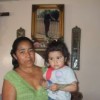
MEXICO: In Juarez, Years of Seeking Justice for Murdered Women
"Sometimes I'm cheerful, but other times I see no reason for working in the community or even for life," said Paula Flores, who has become the symbol of the fight for justice for the hundreds of women who have been murdered or disappeared in this northern Mexican border city.
MEXICO: Taking Fight for Decent Childcare to the Streets
"Sometimes I feel sad when things don't go ahead as well as I would like them to, but we have no alternative but to keep on trying," says Lourdes Almada, a Mexican sociologist and activist for children's rights, as she drives her pickup truck in Ciudad Juárez.
MEXICO: Women Electrical Workers at Centre of Struggle for Jobs
"Our male coworkers have had to acknowledge it: we have worked side by side in this struggle," says Emilia Peña, describing the role of women in driving forward the battle waged by thousands of workers to reopen a state power company in Mexico.
MEXICO: Children in the Line of Fire in Ciudad Juarez
In Ciudad Juárez, the most violent city in Latin America, Mexico's war on drugs has left at least 110 children dead in the past three years, and over 10,000 have lost parents.« Previous Page





The Week with IPS

NEXT STOP - SDGs
Tracking global progress towards a sustainable world
Tracking global progress towards a sustainable world
