Languages
Friday, September 25, 2026



News and Views from the Global South

Mexico Ignores Warnings about Bisphenol A
Bisphenol A (BPA), a chemical found in strong plastics, is banned in baby bottles in Canada and the European Union. But Mexico has made no move to outlaw it from plastic bottles or the lining of food cans, despite the threat to health.
Q&A: “‘Sustainable Development’ Is Often Used Gratuitously”
People are disillusioned with global conferences "that mobilise thousands of people and fail to achieve real global progress" in reducing greenhouse gas emissions, says Boris Graizbord, head of the sustainable development studies programme at one of Mexico's leading research universities in the social sciences
MEXICO: Saving Native Seeds to Protect Food Heritage
When Guadalupe Ortiz planted gardens in Mexico, she was struck by the importance of saving and preserving the seeds, and decided to do something about the problem of seed supply.Shale Gas May Be a Mexican Mirage
In spite of mounting scientific evidence about its negative aspects, Mexico is getting ready to intensify exploration for shale gas, natural gas found trapped in shale, a sedimentary rock.
Latin American Integration Does Not Extend to Climate Change**
The foreseeable absence of binding agreements to stabilise the global climate could give rise to increased regional cooperation to help Latin American countries adapt to the severe effects of climate change.
MEXICO: Activists Want President and Drug Lords Tried for War Crimes
Activists are hoping that the International Criminal Court (ICC) will take up a case against Mexican President Felipe Calderón, government officials and drug traffickers and indict those responsible for the violence wracking the country. But this is likely to be a complex and lengthy process.
MEXICO: Deadly Cocktail of Sexual Violence and Impunity
Sexual violence against women in Mexico is on the rise, alongside the escalation of violence between police and soldiers and the drug cartels, women's rights activists warn.
Unique Mexican Oasis in Danger of Vanishing
A rare wetlands ecosystem in the Chihuahuan desert in northern Mexico that may hold key information about the origins of life on earth – and even about possible life on Mars – is in serious danger of disappearing if water continues to be extracted by agribusiness concerns, local scientists warn.
MEXICO: Communities Organise Against Spiralling Violence
A pressing concern of Mexican communities today is how to organise against the escalation of violence triggered by the government's militarised war on drugs, and how to counteract the temptation of easy money and other perks offered by the drug trade, especially to young men.
Mexican Women Demand Climate Justice
After two weeks without water, the taps finally started running again in the home of Araceli Salazar and her neighbours in the poor, crowded neighbourhood of Iztapalapa on the east side of the Mexican capital.
Climate Change Arouses Scientific Curiosity in Mexico
Climate change has inspired dozens of scientists at Mexican public universities to conduct research on its effects and seek ways to confront them.
MEXICO: DNA Databank to Identify Missing Migrants
DNA analysis, ethical tribunals and diplomatic pressure are the new instruments that migrants' organisations are wielding to combat the abuses suffered by undocumented migrants in Mexico and the United States.
Mexico Hides Cadmium Under the Rug
Despite the threat cadmium poses to health and the environment, Mexico has no plan to reduce the use of the heavy metal in the production of toys and industrial products like batteries and fertiliser.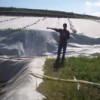
LATIN AMERICA: Communities Should Go to Court Over Water
Local communities in Latin America should go to court more often to fight for access to drinking water, regarded as a universal right, and combine legal action with social protests and political lobbying, experts say.MEXICO: Transgenic Cotton Harbours Hidden Dangers
Wild cotton in Mexico has been contaminated with genetically modified material, posing a risk to biodiversity, experts say.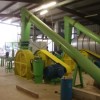
Green Tech Innovation Takes Root in Mexico
Environmental innovation is gaining ground in the academic, private and government sectors in Mexico, with the creation of research and development centres for local good practices and incubators for green production initiatives.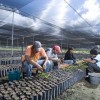
LATIN AMERICA: High Food Prices Present Challenges and Opportunities
The global food crisis, which threatens to aggravate hunger and poverty, makes it necessary for agriculture to diversify, adapt to climate change and raise productivity, say FAO and experts.
MEXICO: Rural Women Organise to Weather Multiple Crises
Adelaida Avelino, 60, is still devastated by the loss of her corn and wheat harvest, which were destroyed by the freeze that hit the Mexican state of Tlaxcala a month ago. But at least her medicinal plants survived.MEXICO: Efficient Transport Needed for a Cleaner Environment
Policies for higher fuel efficiency in vehicles could contribute to reducing the carbon footprint of transportation, which is responsible for 23 percent of the greenhouse gas emissions that cause climate change, according to experts at a meeting in the Mexican capital.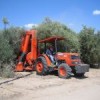
Desert’s Wealth is Wasted in Mexico
The deserts of northern Mexico are home to various plant species that have been largely ignored, despite the considerable social, economic and environmental contributions they could make.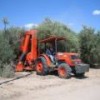
Desert’s Wealth is Wasted in Mexico
Jojoba and guayule are just two examples of plants found in Mexico’s deserts that offer significant untapped economic potential.« Previous Page — Next Page »


The Week with IPS

NEXT STOP - SDGs
Tracking global progress towards a sustainable world
Tracking global progress towards a sustainable world
