Languages
Friday, September 18, 2026



News and Views from the Global South
Dealing with Food Insecurity, on a Longer Term
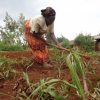
African countries are beginning to reopen borders, and this is finally enabling many citizens to resume their normal life. However, there is still an urgent need for African countries to prioritize agriculture to tackle food insecurity issues that have been exacerbated by COVID and will continue to be an issue into the near future. According to the latest estimates by the United Nations World Food Programme, COVID-19’s compounding effects could drive 270 million people into food insecurity.
Diverse Voices Should Be Represented in Coronavirus Experts on TV
During a crisis, such as the novel coronavirus, whose impact changes with every passing minute, the urge to listen to and watch the news, and get firsthand insights and real time updates can be constant. Indeed, millions of Americans are frequently checking the news. I know I am. What I’ve noticed on three of the major TV stations I’ve watched across the day is the absence of diversity in the experts commenting on the pandemic. This is inexcusable.
Is Our Academic System Ready for a New Coronavirus Normal?
Institutions of higher education have a responsibility to lead by example and to provide current, high-quality information to the people and communities that support them. This responsibility is no clearer than during a public health and information crisis like the one presented by this novel coronavirus.
Amplifying Voices of Climate Activists of Color
Recently, the Associated Press cropped out Ugandan climate change activist Vanessa Nakate from a photo at the World Economic Forum. The remaining activists in the photo, including Greta Thunberg, were all white.
In Dealing With Climate Change: Foresight is Key
United Nations World Food Program recently released 2020 Global Hotspots Report. According to the report, millions of citizens from Sub-Saharan African countries will face hunger in the first half of 2020 for several reasons including conflict, political instability and climate-related events such as below-average rainfall and flooding.
Climate Change-Related New Record-Breaking Events: It’s Time to Think Outside the Box
Recently, Italy declared a State of Emergency because of record-breaking flooding while on 11 November, it did not rain anywhere on the continent of Australia, also breaking a record.
Let Plants be Thy Medicine – You Are What You Eat
United Nations World Food Day is celebrated around the world on October 16 under the theme: “Our Actions ARE Our Future. Healthy Diets for a Zero Hunger World”. This theme is timely, especially, because across Africa and around the world, there has been a gradual rise in malnutrition and diet-related non communicable diseases, as highlighted in The Lancet study and a United Nations Report published earlier this year.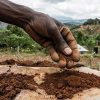
Fighting Climate Change: We Must Not Forget the Soils
Around the world, citizens took to the streets to demand their governments address climate change. In the U.S., this widespread activism illustrates the findings of a newly released report by the Chicago Council on Global affairs which found for the first time that the majority of Americans consider climate change a threat and the most critical foreign policy issue facing the country.
Want to Inspire More People to Act on Climate Change? Broaden the Framing
“It has never happened before,” is a sentence that is becoming excessively common in the news due to a changing climate where new extremes are becoming normal.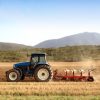
Fighting Food Insecurity in Africa – Lessons from the United States
The U.S Agency for International Development (USAID) Administrator Mark Green recently concluded a one-week visit to USAID-funded programs at several African countries, including the Democratic Republic of Congo, Rwanda, Kenya and Mozambique. His goal was to promote sustainable paths to self-reliance, including in the context of food security programs.
Becoming Drought Resilient: Why African Farmers Must Consider Drought Tolerant Crops
The latest UN Food and Agriculture Organization’s annual Africa Regional Overview of Food Security and Nutrition Report highlighted drought as one of the key factors contributing to the continuing rise in the number of hungry people in sub-Saharan Africa. And in South Africa, the Government’s Crop Estimates Committee announced that the country would harvest 20 percent less maize in 2019 because of drought conditions.
In the Race to Achieve Zero Hunger and Mitigate Climate Change, We Must Look Down — to the Soil
Recently, the United Nations Food and Agriculture Organization (UN FAO) Director-General José Graziano da Silva urged countries, scientists, policymakers and stakeholders invested in building an equitable, sustainable, and thriving planet to pay attention to the soil. He further noted that the future of the planet depends on how healthy the soils of today are.
Climate Change is Hurting Children the Most: Here is How to Protect Them
In the United States, the 21 young people who are plaintiffs in the case Juliana v. United States will soon make their case against the government for failing to take action against climate change. Similar lawsuits have been filed in countries including Portugal, India, and Pakistan.
To Effectively Combat Climate Change, Involve Women
London’s Waterloo Bridge over the River Thames is famously known as the “Ladies Bridge,” for it was built largely by women during the height of World War II. On another continent, women fighting a different war have built an equally remarkable structure: a 3,300-meter anti-salt dyke constructed by a women’s association in Senegal to reclaim land affected by rising levels of salt water.« Previous Page


The Week with IPS

NEXT STOP - SDGs
Tracking global progress towards a sustainable world
Tracking global progress towards a sustainable world
