Languages
Tuesday, September 22, 2026



News and Views from the Global South
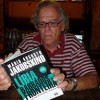
Q&A: NATO Intervention in Libya Was “Recolonisation”
Brazilian journalist and writer Mário Augusto Jakobskind was thwarted in his attempt to visit Libya during the civil war there, but in spite of this he produced a lucid analysis of the situation in the North African country and of the forces that have taken power after the fall of the Muammar Gaddafi regime.
BRAZIL: “Occupy” Movement Rolls to Rio
Inspired by the movement for real democracy and people's power that has spread to hundreds of cities around the world, young Brazilians in Rio de Janeiro have created their own version of "Occupy Wall Street", dubbed "Occupy Rio".
Q&A: “We Are Facing the Threat of a Social and Health Catastrophe”
For Brazilian pediatrician and public health expert Paulo Buss, the worst enemy of health is unemployment. And if unemployment continues to rise, the result will be a global "catastrophe", he told Tierramérica.
Reduce Inequalities to Boost Health, WHO Says
Economic status, education, access to clean water and sanitation, nutrition and the environment determine the level of health of persons, communities or countries, and so does the extent to which rights are enjoyed or denied.Brazil Active in Effort to Widen Global Access to Medicines
Brazil is keen to take part in the international effort to expand access to medicines and to produce its own drugs, and will start by becoming the world supplier of medicines to treat Chagas disease.BRAZIL: ‘Green Grant’ May Do Little to Protect Amazon
The Bolsa Verde or Green Grant programme, which gives financial assistance to poor families that help preserve Brazil's Amazon jungle, may turn out to be only a drop in the ocean if legislation that undermines forest protection is adopted.
Q&A: “The Future of Brazil is the Natural Knowledge Economy”
Brazil could play a leading role in a new global agenda for sustainable development and become an "environmental power", says Carlos Nobre, one of the world’s foremost climate change experts.LATIN AMERICA: Murky Waters
More than 20 percent of the population of Latin America and the Caribbean lacks basic sanitation and 15 percent has no access to drinking water because of poor management, said experts at a meeting that ended Thursday in Brazil.BRAZIL: Water Mega-Project for the Thirsty Agreste
The development of one part of Brazil's semiarid Northeast, the Agreste region in the state of Pernambuco, could begin with the construction of canals that will bring in water diverted from the São Francisco River.200 Million Depend on Melting Glaciers for Water
At least 200 million people in the world are in danger of being left without water, because they depend for their supply on glaciers that are melting, although paradoxically the process creates the illusion of plentiful water resources.SOUTH AMERICA: “Drug Addicts Are Sick, Not Criminals”
Drug dealers in the favelas of this Brazilian city are doing the same brisk business as before the installation of the "Police Pacification Units" (UPPs) in those poor neighbourhoods, authorities and experts admit, while they acknowledge the difficulties in combating the problem.BRAZIL-AFRICA: Teaching Diplomacy
African countries are increasingly taking up Brazil's offer of training in the art of diplomacy, seeing it as a partner that could help them set up or improve their own foreign service institutes.
/CORRECTION/*Q&A: “Brazil Could Mediate Between Juba and Khartoum”
The world's newest nation, South Sudan, is seeking support from Brazil – the first country in the world to recognise the new nation – in learning the art of diplomacy and defusing tensions and persistent conflicts.
BRAZIL: African Refugees in the Amazon
Wilson Nicolas, from the Democratic Republic of Congo (DRC), was the first African refugee to find his way to Brazil's Amazon jungle region, and seems to have started a trend.
BRAZIL: Rainforest Defenders Marked for Death
Raimundo Francisco Belmiro dos Santos, a defender of the Amazon jungle, has requested urgent protection from the authorities in Brazil after reporting that a number of hired gunmen are looking for him, because landowners in the northern state of Pará have offered a 50,000 dollar contract for his death.BRAZIL: Fight for Gay Rights Making Strides
Brazil is making progress in cracking down on homophobia and upholding the rights of homosexuals. The latest step was the introduction in Congress of a bill on sexual diversity, sponsored by the bar association in consultation with civil society.
BRAZIL: Red Tape Undermines Witness Protection – Part 2
The scarce funds and abundance of red tape that plague Brazil's federal witness and victim protection programme, PROVITA, effectively discourage people from stepping forward with information and hinder criminal investigations, while weakening the protection of the families whose lives depend on the service.
BRAZIL: Protected Witness Speaks Out – Part 1
Despite the risks involved, a man who is under the witness protection programme in Brazil and his wife decided to tell their story to IPS, to denounce flaws in a system that, in their case, has added neglect and isolation to the total anonymity in which they must live.
BRAZIL: Amnesty Highlights ‘Entrenched Inequalities’
Despite "considerable progress" made in reducing poverty, "stark inequalities" remain in Brazil, as well as high levels of police and gang violence in poor urban neighbourhoods, Amnesty International warns in its annual human rights report, released as it reaches its 50th anniversary.RIGHTS-BRAZIL: Amnesty International Calls for End to Police Violence
The Brazilian government must "put its house in order" and take a firm stand on respect for human rights if it wants a permanent seat on the United Nations Security Council, said Amnesty International (AI) secretary-general Salil Shetty.
Brazil at Risk of Agrarian Counter-Reform
A process of "agrarian counter-reform" is taking place in Brazil, according to activist João Pedro Stédile, a leader of the Landless Rural Workers Movement (MST).« Previous Page — Next Page »


The Week with IPS

NEXT STOP - SDGs
Tracking global progress towards a sustainable world
Tracking global progress towards a sustainable world
