Languages
Monday, September 21, 2026



News and Views from the Global South
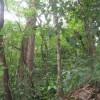
RIO+20: Reforestation Pledges Reach Only 12 Percent of Target
The world's countries have committed themselves so far to restoring just 18 million hectares of forests by 2020, barely 12 percent of the goal of 150 million hectares agreed by the Bonn Challenge in 2011.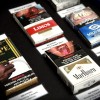
Billions of Brazilian Health Dollars Going Up in Smoke
Brazil spends some 10 billion dollars a year on health care for smokers – more than three times the tax revenue from the tobacco industry in this country, which is the world's top exporter and second producer of tobacco.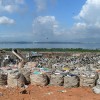
Brazil Closes Symbol of Environmental Degradation, Ahead of Rio+20
As Rio de Janeiro prepares to host the United Nations Conference on Sustainable Development, which will discuss the green economy, the Brazilian city has put an end to one of its worst environmental sins: the enormous Jardim Gramacho garbage dump on Guanabara Bay.
Brazilian Indigenous Community Seeks Survival Through Carbon Credits
Less than 45 years ago, the Paiter-Suruí, an indigenous people living deep inside the Amazon rainforest in Brazil, had never been in contact with the outside world. Today they hope to ensure their survival through the complex mechanisms of the carbon market.
Renewable Energies Need New Incentives
Clean, renewable energies contribute to economic growth and job creation while decreasing dependency on imports. This is why governments should be increasing incentives for the development of renewable energy during a crisis like the one facing Europe today, German engineer Björn Pieprzyk told Tierramérica.
Q&A: “Women’s Leadership is Key to Ensuring Sustainable Development”
The vital role of women in creating a green economy will be highlighted at the United Nations Conference on Sustainable Development, to be held in Brazil in June.Brazil Forging Strategic Alliance with Africa
The Brazilian government of Dilma Rousseff is taking firm steps towards stronger relations with Africa, such as the creation of a special fund to finance development projects together with multilateral lenders like the World Bank.
Women in Brazil Turn to Eco-Friendly Farming in Wake of Storms
In the green belt of market gardens that feeds the Brazilian city of Rio de Janeiro, women farmers are learning environmentally friendly techniques in response to extreme weather events and their effects on the land.
Wiping the Iron Dust Off Their Feet in Small Brazilian Town
The 380 families living in Piquiá de Baixo, a small town in the northeastern Brazilian state of Maranhão, are fed up with having to endure high levels of pollution from nearby steelworks in their water, air and soil.
Civil Society Determined to Have an Impact on Rio+20
Innovating and stepping up the pressure on governments are the bywords for civil society participation in the run-up to Rio+20, a conference with the ambitious goal of changing the way humankind relates with the planet.
Brazilian Mining Giant under Fire for Deaths, Environmental Damage
Social movements from several countries accused Brazil’s Vale, the world’s second largest mining company, of causing serious environmental and social damage, as well as the deaths of 15 workers in labour accidents between 2010 and 2012.
Brazil is a Model for the Rights of Forest Communities
Brazil is one of the most advanced countries in the world when it comes to legally guaranteeing the rights of forest communities and reducing deforestation, says economist Jeffrey Hatcher in this interview.
U.N. Taps Brazil’s Experience in Humanitarian Aid
On her first visit to Brazil, the United Nations humanitarian affairs chief Valerie Amos stressed the need to take advantage of this country’s experience in disaster response and the fight against poverty.Scientists Claim Their Place in Struggle for Food Security
Weather events such as extreme temperatures and drought caused global agricultural losses of 11.4 billion dollars in 2011, while 12 million hectares of farmland are lost to land degradation every year, and unsustainable agricultural practices contribute to the emission of greenhouse gases.
More Ecology, Less Economy for Rio+20
Hundreds of non-governmental organisations and social movements from around the world hope to counter the failure of the United Nations Conference on Sustainable Development (Rio+20), which they consider inevitable, with the success of the alternative People’s Summit.BRAZIL: Rio Police Reports to Respect Transgendered Identities
The state of Rio de Janeiro in southeast Brazil will introduce a pioneering policy in March to reduce the under-reporting of crimes against transvestites and transsexual people, who will be able to identify themselves with their preferred names when they report crimes to the police.Will 2014 World Cup Take Football from Brazil’s Masses?
The lack of transparency in the preparations for the 2014 FIFA World Cup in Brazil is raising concerns over the social implications of hosting the football championship and fears that the country's most democratic and popular sport will only be accessible to the wealthy.BRAZIL: Community Radio Flourishes Online
Community radio stations in Brazil are finding the internet and user-friendly information technologies to be valuable allies for their broadcasts, which focus on citizenship, social equity and human rights.BRAZIL: Providing Alternatives for Small-Scale Tobacco Farmers
The fall in world tobacco consumption, especially in industrialised nations, is a sign of the urgent need for producer countries like Brazil, China, India and the United States to offer their farmers alternatives to growing tobacco.Brazil Pushes for Sustainable Development Goals
With seven months to go until the Rio+20 conference on sustainable development, Brazil is uniting in support of proposals to be included in the summit's draft final document, which aim to transfer its successful national social and environmental sustainability programmes to the global scale.
Q&A: “Brazil’s Foreign Aid Must Include Respect for Human Rights”
Amnesty International in Brazil will focus on the violence that plagues the favelas or shantytowns of this southern Brazilian city and the impact of construction work in preparation for the FIFA World Cup in 2014 and the Olympic Games in 2016, to check that human rights are being respected.« Previous Page — Next Page »


The Week with IPS

NEXT STOP - SDGs
Tracking global progress towards a sustainable world
Tracking global progress towards a sustainable world
