Languages
Saturday, October 10, 2026



News and Views from the Global South
ARGENTINA: Local Biogas Initiatives Open Virtuous Circle
A growing number of municipalities in Argentina are joining a movement aimed at tackling the problem of waste disposal while producing clean, inexpensive energy.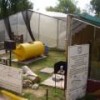
Local Biogas Initiatives Open Virtuous Circle
Small local initiatives for the production of energy from organic waste could serve as the starting point for a network of green municipalities in Argentina.ARGENTINA: Anti-Terrorism Law Upsets Harmony Between Government and Activists
Human rights groups and legal experts are concerned that a law passed by the Argentine Congress in the early hours of Thursday morning to crack down on terrorism could be used to criminalise social protest.
Green Tech Drives Search for Rare Earths in Argentina
Argentina could meet part of the rising world demand for "rare earth" metals, required for a variety of green technologies, advanced electronic devices and medical diagnostic equipment. The challenge lies in mining them in a sustainable fashion.ARGENTINA: Things Slowly Getting Better for Transgender People
Transvestites and transsexuals in Argentina, who were among the most marginalised minority populations, have seen respect for their rights grow in recent years, especially since same-sex marriage became legal in this country a year and a half ago.
SOUTH AMERICA: Mercosur Trade Bloc – Integration or Protectionism?
As Mercosur foreign ministers gather this Monday ahead of Tuesday's summit of heads of state, political harmony is growing between the governments of member countries, although free trade not only remains a pending challenge but is increasingly facing pitfalls.
ECONOMY: Argentina Shows World How to Beat the Crisis
What is happening in the European Union and the United States today happened a decade ago in Argentina, when it was a hotbed of protest and the streets of major cities were seething with people telling their leaders they had had enough. And then a new story began to be written.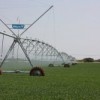
ARGENTINA: Water – Some Waste It, Some Want It
In Argentina, the availability of water far outstrips demand, yet 11 percent of the population still lacks piped water, while a large proportion of the rest squanders it without a second thought.
ARGENTINA: Poison from the Sky
Argentina's soy boom has been a major source of foreign exchange. But the other side of the coin is the toxic effects among the rural population, from spraying agrochemicals.
LATIN AMERICA: Human Rights Agenda Has Expanded
Although the public identifies human rights organisations in Latin America with resistance to the dictatorships of the 1970s and 1980s, for years now these groups have broadened their concerns to encompass environmental and other issues.
SOUTH AMERICA: To Beijing with Love
South America has managed to withstand the knock-on effects of recession in the EU and U.S. thanks to the protection offered by the soaring Asian demand for commodities. But many things could change in the medium term.
LATIN AMERICA: Female Condoms in Short Supply
In spite of the growing spread of HIV/AIDS among women in Latin America and the Caribbean, the female condom, which could put them in charge of their health, is not readily available.ARGENTINA: Women Build New Opportunities in Cooperatives
Forged in the 2001-2002 social and economic crisis, cooperatives in Argentina are becoming a fast track to women's participation in what were traditionally regarded as male spheres.
LATIN AMERICA: How to Prevent ‘Femicide’
Vanina Alderete, an 18-year-old from Argentina, is a survivor of a particularly heinous case of domestic violence: when she was 11, her father killed her mother and her two little brothers and left her seriously injured.
Argentina Inundated with E-Waste
The shop is filled to bursting with buyers. One by one, customers follow a salesperson to one of a row of booths where they are provided with a wealth of information on the mobile phones for sale. But nobody tells them what to do with the old phones they are replacing.
SOUTH AMERICA: Coming Together to Preserve the La Plata Basin
Five South American countries have launched a joint sustainable management programme for the Río de la Plata basin, to preserve one of the largest fresh water reserves in the world.ARGENTINA: Fighting ‘Machismo’ Is a Guy Thing
An original campaign led by men is getting thousands of men in Argentina to reflect on the abuse of power and commit themselves to helping eradicate violence against women.
ARGENTINA: Digital Revolution Hits Secondary Schools
Every student and teacher has a laptop with Internet connection in half of the public secondary schools in Argentina, even in remote rural villages or on islands.
ARGENTINA: Women Gain Budget Know-How
"After so many years of feminist activism, we still hadn't realised that you need money to get things done. When I finally understood that, it was like seeing the light. It was a whole new avenue to explore," Argentine activist Noemí Chiarotti told IPS.
Argentina Lags in Microfinance, Despite Huge Potential
Although microfinance is more deeply rooted in Latin America than in other regions, in Argentina the sector is less developed, but has enormous potential, experts say.
ARGENTINA: The Cristina Fernandez Era
President Cristina Fernández's smashing victory in Argentina, with nearly 54 percent of the vote, raises questions about how she will handle her growing supremacy.« Previous Page — Next Page »





The Week with IPS

NEXT STOP - SDGs
Tracking global progress towards a sustainable world
Tracking global progress towards a sustainable world
