Languages
Friday, October 16, 2026



News and Views from the Global South
KENYA: Inflation Deflates New Year Joy
Kenyans entered the New Year with less pomp and colour that has characterised previous new year celebrations. Due to the harsh economic situation and the fact that it is time for most students to go back to school, many families shied away from entertainment places to save that elusive shilling for their school-going children.
‘Walk the Busan Talk’
Women’s rights champions are not prepared to let the dust settle on the Fourth High Level Forum on Aid Effectiveness that ended in this South Korean port city on Dec. 1 with the customary nod towards gender equality and empowerment.Aid Not Enough to Fight AIDS
Billions of people are marking yet another World AIDS Day - this one themed "Getting to Zero", for zero AIDS-related deaths, zero new infections, and zero stigma and discrimination.
Busan Skirts Gender Equality
Gender champions have lauded the Fourth High Level Forum on Aid Effectiveness for providing gender equality and the empowerment of women a special session, but there is dissatisfaction with Thursday’s Busan outcome document.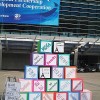
Lessons for Africa at Busan Aid Forum
There are many inspiring stories that delegates from Africa attending the ongoing Fourth High Level Forum on Aid Effectiveness can take home to provide insights to their respective countries on making the transformation to middle-income economies.
Clinton Champions Gender Agenda at Busan
Women toil in the fields for most of their lives producing food and strengthening the largely agricultural economy of African countries, but when their fathers, husbands or older sons die, they are no longer welcome on land they may have tended for years.
Aid Dependency on the Decline
Poor countries have depended on rich nations to supplement their sector budget without which millions of people would have continued to live in abject poverty. Have the years of funding made these countries any less dependent?
‘Nothing at Busan for African Women, Children’
Although there has been considerable progress towards reducing maternal and infant mortality, millions of women and children in Africa are still in need of better health services, food and sanitation.
South-South Ties Reshape Aid Paradigm
When the G-8 countries, comprising the world’s largest industrialised nations, decided that improving Internet access to developing countries should be a priority, scores of leaders from developing world opposed the move.
The Aid From Women No One Counts
Gender responsive budgeting becomes important when seen in the background of unpaid but important care work done by women, say delegates to an international meet on aid effectiveness in this South Korean city.
KENYA: Like a Fish Belongs to Water, the Ogiek Belong to the Mau Forest
The resettlement of evictees from Kenya’s Mau Forest remains a humanitarian and environmental concern for the country as more than 25,000 people continue to live in camps around the forest.
Aid Not Effectively Reaching Africa’s Poor
Kenyan tea and coffee farmers remain disgruntled about the minimal profits they make selling their cash crops, the country’s leading foreign currency earners, as the government receives millions in funding for training and subsidies that most of these farmers are yet to see materialise.
SOUTH SUDAN: Children Snatched Out of their Homes
In villages across South Sudan children are being snatched out of their homes in the dead of night, never to see their families again.
EAST AFRICA: ‘It’s Not a Heartless Mother Leaving a Child Behind, Just One Who Wants to Survive’
On the road between the Kenyan and Somali border lie the dead bodies of children who have succumbed to the famine and the hardships of making the journey from their drought-stricken villages to Kenya.
KENYA: Gender Responsive Planning and Budgeting at Work
For the first time ever, the Kenyan finance minister has allocated almost four million dollars, about 3.6 percent of the primary education budget, to provide free sanitary pads to schoolgirls.KENYA: Providing ARVs to HIV-Negative People Will Strain Resources
When Lucy Omollo found out that her husband was HIV-positive six years ago, the couple thought the best way to prevent her from becoming infected with the virus was not to have sex.
EAST AFRICA: Millions Stare Death in the Face Amidst Ravaging Drought
While Kenya struggles to cope with the influx of refuges fleeing the drought in Somalia, it is estimated that about 1,300 people arrive daily at the Dadaab refugee camp, the country is facing its own crisis of malnutrition and starvation.
AFRICA: The Struggle for Women to Own Land
Even at the best of times, obtaining a title deed from the ministry of lands is a difficult process. But as the minister of lands admitted on Jul. 13 that his office is rife with corruption, the disorganisation of this office means Kenyan women are no closer to owning land.
SOUTH SUDAN: Q&A: Spirits High in South Sudan Despite Unresolved Issues
As South Sudan prepares to cede from the North, it faces tremendous challenges towards building a nation and a sense of nationhood.
KENYA: Budget Cushions Agricultural Sector Amidst Staggering Inflation
As the country’s inflation rate hits a staggering 14.5 percent – compared to 4.5 percent in December 2010 - Kenyans are struggling to afford basic commodities like maize, amid a shortage of the staple food.KENYA: Empowering Women through Micro-Finance Credit
Without a college education and against the backdrop of limited job opportunities, it was not easy for Salome Wairimu to find employment.« Previous Page — Next Page »





The Week with IPS

NEXT STOP - SDGs
Tracking global progress towards a sustainable world
Tracking global progress towards a sustainable world
