Languages
Saturday, November 7, 2026



News and Views from the Global South
Energy
DEVELOPMENT-KENYA: People, Not Electricity, Make Growth Possible
Conventional wisdom holds that a shortage of affordable and reliable energy is a key factor in perpetuating low levels of development in countries like Kenya. But the country's chief energy regulator argues that Kenya has all the power it needs, and growth in generation need not precede growth in demand.POLITICS: U.N. Renovation Threatens Disruption in World Body
When the United Nations begins a major 1.8 billion dollar renovation of its 39- storey headquarters early next year, there are fears that the relocation of nearly 4,000 staffers from the 60-year-old building will disrupt the organisational work of the world body.
BRAZIL: Small Hydroelectric Dams Not So Green
The combined impacts of numerous small hydroelectric dams in one river basin can be at least as harmful as one large dam, warn experts, environmental activists and indigenous groups, who face a flood of new projects along the rivers of the western Brazilian state of Mato Grosso.INDIA/US: Racing to Clear Last Lap of Nuke Deal
As the Bush administration pushes the outer limits of the political timeline for the passage of the controversial nuclear cooperation deal with India in the United States Congress, two potential stumbling blocks have become apparent in securing exemptions for the agreement from the tough export rules of the Nuclear Suppliers' Group (NSG).DISARMAMENT: China Key Arms Supplier to Human Rights Abusers
As China tries to boost its international image, playing host to a summer Olympic games, the government in Beijing is being singled out as a key arms supplier to some of the world's worst human rights abusers, according to a new study released here.ENVIRONMENT-SPAIN: Number Two in Wind Energy
Spain is the world’s second producer of wind energy, after Germany and ahead of the United States, and plans to continue expanding its infrastructure so as to double its current output by 2012. But new regulations may slow this development.
VIETNAM: Coping With Skyrocketing Fuel Prices
Nguyen Van Minh has just delivered a consignment of apples from China in his modified Hyundai at Long Bien market where, each night, hundreds of trucks pull up laden with fruits and vegetables from distant provinces and neighbouring countries.BRAZIL: Biodiesel to Bring Electricity to Amazon Villages
Oil from native tucuma, ouricurí and murumurú palm trees will be used to provide electricity to isolated communities in the depths of the Brazilian Amazon, which are too remote to supply with power by conventional means.ECONOMY: Oil Not Costly Enough to Prompt Needed Changes – Experts
Just about everyone is complaining about the high price of oil, but it does not even reflect the environmental costs and is still insufficient to promote the changes needed to ensure a less catastrophic future for humanity, experts warn.CHINA/SUDAN: Move to Get Al-Bashir Off Genocide Charges
China has indicated keenness to have the case for indictment of Sudanese president Omar Hassan Ahmad Al-Bashir on charges of genocide suspended, saying the allegations are complicating peace negotiations in the war-torn Darfur region.ENERGY: Accidents Make N-Questions Bigger
The recent proliferation of accidents at nuclear power plants in France, Germany, Spain, Sweden, Slovenia and elsewhere in Europe has made calls for greater reliance on nuclear energy questionable, experts say.ENVIRONMENT: EU Backs Away From Agrofuels
EU ministers for energy and the environment have revised their targets for renewable energy in the face of abundant new evidence that increased production of agrofuels is partly responsible for the worldwide increase of food prices.FINANCE: U.S. Accuses Trading Firm of Manipulating Oil Market
U.S. regulators are pressing charges against a global trading firm they accuse of manipulating the oil market, in a move that dovetails with heightened political agitation over rising energy and food prices.POLITICS-BOLIVIA: It’s All about the Gas Revenues
Revenues from Bolivia’s sales of natural gas, which have ballooned in the last few years, are now at the centre of the tense political polarisation threatening to tear the country apart and are a main motivation in the opposition’s attempt to undermine the leftwing government of Evo Morales.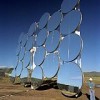
ENERGY: Solar Thermal Power Coming to a Boil
After emerging in 2006 from 15 years of hibernation, the solar thermal power industry experienced a surge in 2007, with 100 megawatts of new capacity coming online worldwide.OIL-CARIBBEAN: Petrocaribe Building ‘Anti-Crisis, Anti-Hunger Shield’
Seventeen countries in Central America and the Caribbean are to make down payments of only 40 percent on Venezuelan oil, while cooperating to expand their food supply, and calling on the North to take measures to curb speculation on futures markets, which is resulting in surging crude prices.FINANCE: Lobbyists Enlist Public in Commodities Speculation Fight
Energy traders and oil-consuming businesses are enlisting the public in a tug-of-war over proposals to tame fuel and other commodity prices.INDIA/US: Deceptions Surface in Nuclear Deal
The Indian government has taken a major step towards completing its controversial nuclear cooperation deal with the United States by moving the Board of Governors of the International Atomic Energy Agency for approving an inspections (safeguards) agreement it signed last year with the IAEA secretariat pertaining to civilian nuclear reactors.
ENVIRONMENT-EUROPE: On Your Green Bike
A group of young people from several European countries are taking a cycling tour from Bulgaria to Turkey to show the world that travelling and a good life are possible without much energy consumption.
Q&A: ‘Speculation Is Causing An Oil and Food Price Bubble’
The soaring prices of oil and food are the result of a huge new global speculative bubble, created to recoup the financial markets’ losses when the technological and real estate bubbles burst, Syrian Deputy Prime Minister for Economic Affairs Abdullah al-Dardari told IPS.
ENVIRONMENT: Indians Close Ranks Against Dams in the Amazon
Indigenous communities in Bolivia and Brazil have declared an emergency in response to the construction of the Madera River Hydroelectric Complex, which Brasilia is pursuing even as independent research efforts try to measure the impacts of what will be one of South America's largest energy projects.« Previous Page — Next Page »





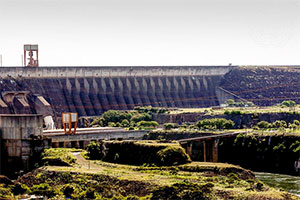 UN Power Plant, Paraguay. Credit: UN Photo/Evan Schneider
Energy has posed a great challenge for economies around the world. As global energy consumption skyrockets throughout the years, so does the need for sustainable solutions. The Sustainable Development Goals are essential in providing people with access to safe, affordable, and sustainable energy sources that minimize harm on the planet. Progress towards these goals opens the door for an advancement in modernization for communities on a global level and allows for a potential mitigation of tensions between nations.
The UN’s Summit of the Future in 2024 offered new initiatives that are being taken to achieve these goals, including a decreased reliance on fossil fuels, a switch to renewable energy sources, and improved climate financing.
IPS is well positioned to provide relevant, insightful, and compelling analysis of recent updates and measures being taken around the world to achieve a cleaner future.

The Week with IPS

NEXT STOP - SDGs
Tracking global progress towards a sustainable world
Tracking global progress towards a sustainable world
