Languages
Tuesday, November 10, 2026



News and Views from the Global South
Health

Neglected, Sacrificed: Older Persons During the COVID19 Pandemic
Failing to help those in most need COVID19 is devastating on older persons. The numbers are staggering, more than 80 percent of the fatalities due to coronavirus in the US and East Asia occurred among adults aged 65 and over. In Europe and Australia, the figures are even higher, 94 and 97 per cent of the deaths were persons aged 60 and over.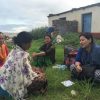
Include Indigenous People in COVID-19 Response
In Nepal the COVID-19 crisis has been especially hard on indigenous peoples. We had to learn a new vocabulary and use words like quarantine, self-isolation, hand sanitizers and social distancing.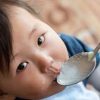
COVID-19 Means Development Setbacks for Mongolia
Mongolia has recorded very few cases of COVID-19, less than 300 as on date, despite its more than 4,000 kilometre porous border with China. However, the country faces a major economic impact from the pandemic.
Fight Pandemic, Not Windmills of the Mind
With uneven progress in containing contagion, worsened by the breakdown in multilateral cooperation due to mounting US-China tensions, recovery from the Covid-19 recessions of the first half of 2020 is now expected to be more gradual than previously forecast. Pandemic response measures In the face of the Covid-19 pandemic, many governments, especially of Organization for Economic Cooperation and Development (OECD) economies, have introduced massive fiscal and monetary packages for contagion containment, relief and recovery.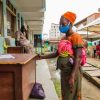
COVID-19: Smarter Response & Recovery Measures Can Help Preserve Human Rights in Africa
As COVID-19 cases continue to rise in Africa, countries are simultaneously dealing with the health and socio-economic impacts of the pandemic, and how and when to ease lockdowns and curfews imposed to stop the disease spreading and get onto the path of recovery.
A Determined Path to the SDGs in 2030 Despite the COVID-19 Pandemic
As lockdowns ease in countries across Asia and the Pacific in the wake of the COVID-19 pandemic, one thing is clear—a return to business as usual is unimaginable in a region that was already off track to meet the Sustainable Development Goals (SDGs). The virtual High-Level Political Forum on Sustainable Development recently convened governments and stakeholders across the globe to focus on the imperative to build back better while keeping an eye on the Global Goals.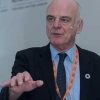
Three Steps for Leaders to Tackle Covid and Climate Emergency
Dr David Nabarro is Special Envoy to the World Health Organisation on COVID-19 and Strategic Director of 4SD. He sets out his challenge to leaders to use COVID-19 as an opportunity for radical change that responds to the needs and the interests of all of humanity.- • Countries must work together
• Focus on equity
• Effective local action

As COVID-19 Cases Rise, African Countries Grapple with Safely Easing Lockdowns
Re-opening economies is a tough balancing act between keeping people safe from the virus while ensuring they can still make a living. Some four months after the first COVID-19 case in Africa was reported in Egypt, countries on the continent are beginning to ease public health and social measures, such as lockdowns and curfews, imposed to curb the spread of the pandemic.
Covid-19 Compounds Developing Country Debt Burdens
Covid-19 is expected to take a heavy human and economic toll on developing countries, not only because of contagion in the face of weak health systems, but also containment measures which have precipitated recessions, destroying and diminishing the livelihoods of many.
Research Provides the Bricks and Mortar for Our Food Systems to ‘Build Back Better’
The COVID-19 pandemic has exposed the structural weaknesses of today’s food systems, showing how quickly global networks of food production, trade and supply can waver under the impact of a single disease.
Tobacco Industry Factoid on Illicit Trade Leading Governments Astray
A factoid is unreliable information repeated so often that it becomes accepted as fact. One such factoid repeatedly echoed across the globe by the tobacco industry is that tobacco tax increases worsen cigarette smuggling.
The World Needs You. Now.
“We may all come on different ships, but we are in the same boat now,” Martin Luther King Jr once said. His timeless wisdom rings truer than ever today for the many challenges the world is facing. COVID-19, continued armed conflicts and forced displacement, climate-change induced disasters, deep divides and widespread discrimination mark the human family in the 21st century.
How will COVID-19 Affect Women Entrepreneurs?
Two years ago, Aarti started a small business selling traditional handicrafts online, supporting artisans based in rural Karnataka. After an initial phase of struggle, she had a steady stream of orders and was looking to procure manufacturing equipment and scale the impact of her business by supporting more local talent.
Dealing with Food Insecurity, on a Longer Term
African countries are beginning to reopen borders, and this is finally enabling many citizens to resume their normal life. However, there is still an urgent need for African countries to prioritize agriculture to tackle food insecurity issues that have been exacerbated by COVID and will continue to be an issue into the near future. According to the latest estimates by the United Nations World Food Programme, COVID-19’s compounding effects could drive 270 million people into food insecurity.
Covid-19 Cannot Be Defeated by a Divided World
Announcing an independent evaluation of the global Covid-19 response on 9th July, World Health Organization (WHO) Director-General Dr Tedros Adhanom Ghebreyesus asked why it has been “difficult for humans to unite and fight a common enemy that is killing people indiscriminately?”.
IPS Webinar: Gender Equality Crucial in ‘Building Back Better’ Post-COVID-19
While men are more likely to die from COVID-19, women are facing the full blow of the socio-economic fallout from the ongoing pandemic as well as seeing a reversal in equality gains made over the last two decades, says an all-women panel of international thought leaders, who met virtually during a discussion convened by IPS.
Coronavirus Shows the Dangers of Letting Market Forces Govern Health and Social Care
In March, 10,000 NHS staff signed a letter to UK prime minister Boris Johnson demanding better protection against COVID-19. Nurses and doctors wanted to treat patients without fear of infecting them and to minimise their own risk of falling ill. But they lacked the proper protective equipment.
Q&A: Understanding COVID-19’s Impact on Food Security and Nutrition
While it is too early to assess the full impact of the global COVID-19 lockdowns, at least 83 million to 132 million more people may go hungry this year -- 690 million people were classified as hungry in 2019 -- as the pandemic has highlighted the vulnerabilities and inadequacies of global food systems.
UNESCO, UNHCR & EDUCATION CANNOT WAIT Call for the Inclusion of Refugees in the Post-Covid-19 Education Effort
We must not leave young refugees by the wayside, urged UNESCO, the Office of the United Nations High Commissioner for Refugees (UNHCR) and Education Cannot Wait as they urged more support in favour of young refugees’ education during an online debate today, moderated by UNHCR Special Envoy Angelina Jolie, on how best to provide them with improved learning during and after the pandemic.
How Senegal is Providing Reproductive Health Services to those Who can Least Afford it
Pregnant with her second child, 30-year-old Ndiabou Niang was enduring pelvic pain, but couldn’t afford to access prenatal care in Diabe Salla, a village on the outskirts of the small town of Thilogne in north-east Senegal. Her husband was unemployed and her earnings of under CFAF 10,000 (17 USD) from selling seasonal fruits in the local market were insufficient to make ends meet.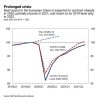
Toward a More Resilient Europe
Europe, like the rest of the world, faces an extended crisis. An element of social distancing—mandatory or voluntary—will be with us for as long as this pandemic persists. This, coupled with continued supply chain disruptions and other problems, is prolonging an already difficult situation. Based on updated IMF projections released last month, we now expect real GDP in the EU to contract by 9.3 percent in 2020 and then grow by 5.7 percent in 2021, returning to its 2019 level only in 2022. If an effective treatment or vaccine for COVID 19 is found, the recovery could be faster—but the opposite would hold true if there are large new waves of infection.« Previous Page — Next Page »





 Bangladesh: Sarid, born one month early, receives specialized newborn care and grows stronger every day. Credit: UNICEF/UNI944397/Mojumder
Since the onset of the 2000s, global life expectancy has seen an overall rise, attributed to significant technological and scientific innovations in healthcare. Due to an increased understanding of different conditions as well as a rise in cooperation among healthcare experts around the world, there have been major strides made in ensuring that as few people die from chronic illnesses as possible. Despite the belief that healthcare is a fundamental human right, people from low- or middle-class backgrounds, marginalized groups, and underdeveloped countries have far more limited access to basic healthcare services.
The COVID-19 pandemic showed how marginalized communities are disproportionately affected by health crises, proving that we have much work to do in ensuring that no one dies of terminal conditions. While the global response to the coronavirus saw significant strides in immunization and vaccine development, the global outbreak of mpox in 2022 and its upsurge in parts of Africa in 2024 must remind us to remain vigilant.
Other major disease outbreaks in recent years have been linked to the destruction of infrastructure during warfare. Notably, in 2024, the Gaza Strip witnessed a return of the poliovirus since its eradication in the region 25 years ago. Israel’s blockade on Gaza has resulted in the collapse of the region’s sewage plants and desalination plants, and also destroyed healthcare capacities. The UN stated that this lack of clean water and sanitation would lead to an outbreak of cholera and other deadly infectious diseases. The 2026 OCHA Humanitarian Situation Report confirmed that the over two years of conflict in Gaza has produced a catastrophic health emergency, with millions remaining dependent on relief aid amid tight restrictions and no functioning public health system.
IPS is committed to providing full and comprehensive coverage on healthcare challenges around the world. IPS seeks to address the multifaceted causes of such challenges, including unprecedented pandemics, conflict-driven disease outbreaks, as well as socioeconomic barriers to equal healthcare access. IPS is also dedicated to reporting on innovations in the healthcare industry.

The Week with IPS

NEXT STOP - SDGs
Tracking global progress towards a sustainable world
Tracking global progress towards a sustainable world
