Languages
Saturday, August 8, 2026



News and Views from the Global South
Sustainable Development Goals

Salt: Bangladesh Communities On the Frontline of Climate Change
Global warming has far-reaching effects, and certain countries, particularly those with low lying coastal regions, are more vulnerable than others. Bangladesh, the largest delta in the world, is at the forefront of the global warming crisis. Its coastal areas are increasingly exposed to rising sea levels, natural disasters, and salinization, all of which have devastating effects on its population.
A Glimpse into Tanzania’s Political Turmoil Ahead of 2025 Election
At a rally to mark International Youth Day on August 12 in Tanzania’s southern Mbeya region, John Mnyika stood with a determined expression, addressing his supporters. The air was charged with anticipation. Mnyika, the Secretary-General of Tanzania’s opposition party, Chadema, was preparing to speak about the upcoming elections when the chaos erupted. Without warning, heavily armed police officers stormed the event, grabbed Mnyika, and dragged him away.
Biodiversity Goal Can Be Achieved in the Southern Ocean
COP16, the much-anticipated follow-up talks to the 2022 Kunming-Montreal Global Biodiversity Framework (GBF) agreement, which aims to reverse an alarming loss of nature on land and sea, opens in Cali, Colombia.
Overlapping Crises Hinder Global Social Development and Poverty Reduction
Social development in a global context shows the risk of trending downwards and not recovering if countries do not minimize the long-term impacts of multiple crises and work towards building up their resilience. As much as this will require national political will, it will also need global cooperation for it to be possible.
A Pact for the World’s Poorest
Last month, world leaders gathered at the time of the UN General Assembly in New York and agreed on a pioneering Pact for the Future. This global accord has implications across a broad range of issues that affect every country. It offers much hope for the poorest and most vulnerable countries on the planet, known as Least Developed Countries (LDCs).
Transparency and Inclusion: The Keys to Successful 30×30 Conservation
Two years ago world leaders from nearly 200 countries made a landmark commitment to protect and conserve at least 30% of the planet's land, ocean, and freshwater by 2030 - an initiative known as "30x30".
Race to Close Global Climate Finance Gaps Amid Escalating Climate Risks
The impact of climate change continues to devastate economies worldwide, creating a pressing need for all countries to significantly increase international climate finance. To drive critical action towards reduced climate risks and sustainable economic growth calls for expanded access to affordable, predictable finance at scale.
Kenya’s Mung Bean Legislation Debate Underscores Farmers’ Vulnerability
Kenyan farmers have faced a turbulent year, caught between legislative changes and a devastating scandal. While the country's Mung Bean Bill, aiming to regulate the lucrative mung bean industry, has moved to mediation, farmers are battling the fallout from the widespread distribution of counterfeit fertilizers that have jeopardized their crop yields and livelihoods.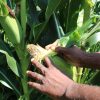
World Told Act Now or Face 136 Years of Hunger, Report Warns
High levels of hunger will continue for another 136 years in many developing countries, according to a new report assessing global hunger.
Climate Justice Needs Recognition of Common, but Differentiated Responsibilities
Climate justice recognizes differential impacts of climate crisis between rich and poor, women and men, and older and younger generations. The UN Secretary-General António Guterres emphasized, “as is always the case, the poor and vulnerable are the first to suffer and the worst hit.” However, all people should have the agency to live life with dignity. Thus, climate justice looks at the climate crisis through a human rights lens.
Building Water Security for the Next Generation in the Pacific Territories
The Pacific Islands region is both the frontline of the wrath that climate change is lashing on the environment and human life and the drive for innovation and solutions to stem the destruction and strengthen island environments for the future. The survival of life, even nations, in the Pacific depends on it.
Afghan Girls Share Their Despair and Visions for the Future Under Taliban Rule
In line with the 2024 International Day of the Girl theme, ‘Girls’ vision for the future’, a dozen Afghan girls speak up to express their hardships and resilience. They also share their visions for the future.
In Zimbabwe’s Rural Areas, Bicycles Keep Girls in School
Rejoice Muzamani is studying in preparation for her next paper during the end-of-term examinations at Mwenje Primary School in Chiredzi, southeast Zimbabwe. The 13-year-old girl, who is in Grade 7 or final year of primary school, is not worried about leaving school early to make the 7-kilometer journey back home before dusk, risking attacks from wild animals.
With Climate Change, Government Apathy, Who Should Kerala’s Fishworkers Turn To?
Every morning before dawn, fishworkers along the shores of Kochi, Kerala, head out to sea, casting their nets in the shadow of the iconic Cheenavala—the Chinese fishing nets that have become a symbol of their community. I witnessed this time-honored tradition, once a reliable means of survival, now a daily gamble, a fight against unpredictable seas and shrinking fish populations.
Amazonian Bioeconomy: An Essential Path for Sustainable Development
The Amazon is at a critical juncture. Despite its abundant biodiversity, cultural richness, and immeasurable environmental value, it faces serious threats that endanger its future and the communities that depend on it.
Pakistan’s Digital Censorship—The Real Cost of Internet Disruptions
Over the past few months, Pakistan has been grappling with a persistent and disruptive internet slowdown, leaving millions of citizens frustrated.
Agroecology: The Game-Changing Solution to Global Food, Climate and Conflict Crises
Edward Mukiibi, President of Slow Food, champions agroecology as a transformative answer to the world's most pressing crises: food insecurity, climate change, and violent conflicts. In a world where these challenges intersect, Mukiibi called for an urgent rethink of our approach to food systems.
Biogas, a Circular Energy, Advances in Brazil Thanks to Local Arrangements
“I don't know of a more sustainable technology for the transformation of society than biogas,” said Professor Alex Enrich-Prast, an activist for this energy alternative with a highly diversified and decentralised expansion in Brazil.
Empowering Change & Resilience: Social Protection in the Age of Megatrends
Social protection systems are essential to achieving the 2030 Agenda for Sustainable Development. However, social protection is insufficient across Asia and the Pacific, and the region is at risk from megatrends: climate change, demographic shifts and digitalization. Tens of millions of people have been pushed into extreme poverty since COVID-19, reversing past gains, and many millions more live precariously just above the poverty line.
Why Africa Should Embrace Territorial Markets to Withstand Climate Shocks and Crises
African policymakers, local leaders and the private sector have been asked to create an enabling environment that will help African traders and farmer folks build reliable systems for food security and resilience through territorial markets. During a week-long 2024 Africa Agroecological Entrepreneurship and Seed Festival in Harare, Zimbabwe, experts observed that persistent crises have shown the importance of resilient close-to-home ‘territorial’ markets that feed billions of people every day—from public markets and street vendors to cooperatives, from urban agriculture to online direct sales, and from food hubs to community kitchens.
Will Ukraine Benefit if IMF Ends its Punitive Fees on Debt Burdened Countries?
Over the coming month, the United States has a window of opportunity to lift a multi-billion-dollar burden from Ukraine, and other countries in financial distress, without costing the US taxpayer a dime.« Previous Page — Next Page »


The Week with IPS

NEXT STOP - SDGs
Tracking global progress towards a sustainable world
Tracking global progress towards a sustainable world
