Languages
Tuesday, November 24, 2026



News and Views from the Global South
Global Geopolitics
ETHIOPIA: Western Allies Ignoring Gov’t Abuses, Report Says
Since a battle last year against rebels in eastern Ethiopia's Somali Region, Ethiopia's government and armed forces have been committing war crimes and crimes against humanity by subjecting ethnic Somali nomads to executions, torture and rape, according to a Human Rights Watch (HRW) report released Thursday.DEVELOPMENT-AFRICA: High Food Prices Here For Another Five Years
Hundred million people worldwide - mostly from developing countries - may sink deeper into poverty when food prices continue to rise, the World Bank predicts.SOUTH PACIFIC: Food Crisis, An Opportunity For Change?
Pacific Island governments should not view the global food crisis as a threat but as an opportunity to boost their neglected agricultural sectors, says a professor in development economics.HEALTH: Universal HIV/AIDS Treatment Goals Receding
As millions of people across the world continue to die from HIV/AIDS, top U.N. officials and civil society leaders are reiterating calls for increased funding to fight the deadly epidemic.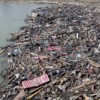
BURMA: One Million Survivors Not Yet Reached – U.N.
U.N. officials are giving the impression that the world body is making headway in helping the millions of survivors in Burma’s cyclone-hit Irrawaddy Delta.
Q&A: “Criminalisation of HIV/AIDS Will Not Help Us”
As the United Nations winds down a major two-day conference to take stock of the global response to the HIV/AIDS pandemic, the problem of persistent discrimination against people living with the virus has been high on the agenda.ECONOMY: Global Woes Hit Developing Countries
The global credit crunch unleashed in the United States is combining with runaway food and fuel prices to put the squeeze on developing countries, according to the World Bank.ENVIRONMENT-EUROPE: France and Germany Dilute the Green
The leaders of France and Germany, the European Union's two largest car-producing countries, appeared to take their cue from glossy vehicle advertisements this week. Just as such ads routinely seek to convey the impression that vehicles are ecologically benign, President Nicolas Sarkozy and Chancellor Angela Merkel tried to present an agreement they reached on carbon dioxide (CO2) limits from new cars as a boon for the environment.AFRICA: Women Say Regional AIDS Plan Falls Short
Despite the admirable progress made by some African countries in preventing and treating HIV/AIDS since 2000, 14 million Africans have died of AIDS in that time span, and an additional 17 million have been infected, says a new report on HIV/AIDS on the continent.POLITICS-US: A League of Their Own
A radical foreign policy idea put forth by presumptive Republican presidential candidate Sen. John McCain has drawn cheers of support from sources as varied as his campaign's neo-conservative backers to liberal internationalists from the camp of his rival, Sen. Barack Obama. But the idea is not without some surprising detractors.
DEVELOPMENT: Aid Increase From Japan Not a 'Mission Impossible'
Increasing Japan's aid to developing countries in stark need of funds is not a "mission impossible", says Senator Kiyohiko Toyama, an influential member of the Upper House of the Diet, the country's parliament.
WOMEN-MEDIA: Stuck at the Starting Gate
"We should not be all that surprised that we are stalled," says Jane Ransom, executive director of the International Women's Media Foundation (IWMF), referring to the absence of women leaders in media organisations.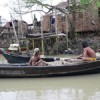
BURMA: Crime for Civil Society to Provide Relief?
The detention of a prominent comedian in Burma points to an ominous turn of events in the military-ruled country. It has reportedly become a ‘crime’ for individuals and civil society groups to provide emergency relief to the hundreds of thousands of cyclone victims.
JAPAN: Good Neighbours Needed on Way to UN
Japan will not succeed in its bid for a permanent seat in the UN Security Council unless it achieves reconciliation with its neighbours, says former Japanese prime minister Toshiki Kaifu.
POLITICS: Japan Supports Ban on Cluster Bombs
A dramatic decision to join a ban on most types of inhumane weapons was announced by Japanese Prime Minister Yasuo Fukuda at an international conference attended by 110 nations in Dublin at the end of May. On the last day of the conference, the Japanese government, which had wavered, said it would support the ban.MEDIA-SINGAPORE: Restrictions Follow Critics to Cyberspace
When Lee Hsien Loong became Singapore’s prime minister after his father, Lee Kuan Yew, four years ago, he encouraged citizens to "feel free to express diverse views, pursue unconventional ideas, or simply be different". Today, these hopes for a city-state that can be more relaxed about criticism and more open to frank debate appear to have been too high.TRADE: “Developed Countries Should Contribute the Most”
Tension in the World Trade Organisation (WTO) negotiations on industrial goods reached such an extreme that the diplomat leading the talks on cutting tariffs, Canadian ambassador Don Stephenson, decided this week to suspend the discussions.DEVELOPMENT: More Food Summits, But Less to Eat
After two major U.N. food summits, one in 1996 and the other in 2002, the international community pledged to alleviate hunger and reduce malnutrition.ENERGY: Indonesia Leaves OPEC, General Motors Downsizes
Indonesia pulled out of the Organisation of Petroleum Exporting Countries (OPEC) almost at the same time as U.S. automobile giant General Motors decided to build fewer pickup trucks and make an electric car.
BURMA: Nargis Victims Forced From Camps
A global human rights lobby slammed Burma’s military regime for driving survivors who have endured untold hardship since last month’s powerful cyclone into further misery.ECONOMY-INDIA: Foreign Money Transfers Under the Scanner
With Indians spending more money abroad and even picking up blue chip firms the government has decided to take a closer look at suspected money laundering activity and dubious international fund transfers.« Previous Page — Next Page »


Is the world dominated by three great empires -- the U.S.A, China and the European Union? How much power do the great behemoths of the south -- India, Brazil, and South Africa -- wield? And where does Russia fit in that equation? Are we in the middle of a new Cold War? What are the implications of the armed conflict with Georgia? What about the new axis: Venezuela-Russia? And what role does Turkey play? What about issues like Climate Change and other global forces like the food crisis and the high energy prices? How is all this reshaping the world's forces? IPS looks for some answers.

The Week with IPS

NEXT STOP - SDGs
Tracking global progress towards a sustainable world
