Languages
Friday, November 13, 2026



News and Views from the Global South
Global Governance

Boycott, Divest & Sanctions Campaign Not Anti-Israel but Pro-Palestinian, Says Norwegian MP
When Norwegian parliamentarian Bjørnar Moxnes recently nominated the BDS movement for the 2018 Nobel Peace Prize, the leader of Norway’s Red Party faced the inevitable: a furious backlash from pro-Israeli and anti-Palestinian groups.
UN Security Council Must Halt Disastrous March of Myanmar’s Ethnic Cleansing of Rohingya
Abdu Salam stayed in his village as Myanmar soldiers and local vigilantes burned down dozens of homes there last August. He stayed as news spread of atrocities that soldiers had committed in other Rohingya villages across northern Rakhine State. He stayed because Hpon Nyo Leik village was his home, the only home he’d known, and he wanted to protect his family’s property and right to live there.
Pyeongchang Olympics: A New Cornerstone for Peace and Prosperity
All eyes are on the 23rd Olympic Winter Games and 12th Paralympic Winter Games in PyeongChang this February. Top athletes will carry their national flags in an opening ceremony which has come to epitomize the international community. Sports fans worldwide eagerly await the Olympics, and this time there is cause for cautious optimism that sport diplomacy may lower tensions on the Korean Peninsula itself. Leaders, diplomats and citizens from the world over will witness North and South Korean athletes walking side by side. For this, there could be few better places than PyeongChang, which means peace (Pyeong) and prosperity (Chang): goals integral to the mission of the United Nations and the 2030 Sustainable Development Agenda.
Humanitarian Response Plan for Spreading Crisis in Nigeria
The 2018 Humanitarian Response Plan (HRP) for north-east Nigeria demonstrates the commitment of the international community to the people of Nigeria. It is also a clear and positive indication of the strong and continued partnership between us - the international humanitarian community - and the Government of Nigeria.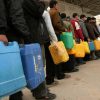
Gaza Health Sector on Verge of Collapse
UN agencies have sounded the alarm on the rapidly deteriorating humanitarian situation in Gaza, pointing to the devastating repercussions of the ongoing fuel shortages.
Healthy Nutrition Spreads in El Salvador’s Schools
Eating healthy and nutritious food in schools in El Salvador is an effort that went from a pilot plan to a well-entrenched programme that has now taken off.
BDS Movement for Palestinian Rights Nominated for Nobel Peace Prize
As a member of the Norwegian parliament, I proudly use my authority as an elected official to nominate the Boycott, Divestment and Sanctions (BDS) movement for Palestinian rights for the Nobel Peace Prize.
Wars, Crises and Catastrophes Drive Immigration to Brazil
The war in Angola, the earthquake in Haiti, Venezuela’s political crisis and shortages and the political repression in the Democratic Republic of the Congo are the main driving factors behind the recent waves of immigration to Brazil.
Truth & Nothing But the Truth: Impact of Media & Communication on Democratic Participation
In recent years, technological developments and the liberalization of media markets have fueled an explosive change in media and communication, with profound implications for how people are informed, how they interact with each other, and how they participate in public life.
Climate-Related Disasters Cost Nearly $400 Billion in 2017
I am pleased to be with you at this important and timely summit on climate risk and to discuss the opportunities that are there for us to seize through decisive climate action.
Why Humanitarian Assistance Needs Rigorous Evaluation
According to the United Nations Office for the Coordination of Humanitarian Affairs (UNOCHA) and the Financial Tracking Service (FTS), the number of people in need of humanitarian aid in 2017 rose to 141.1 million and they were located in 37 countries.
Latin America Makes Headway Against Land Degradation
Two-thirds of the 33 countries of Latin America and the Caribbean have already submitted or are preparing to submit to the United Nations their land degradation goals, to combat a problem that threatens agriculture and the lives of their people.
How Natural Disasters Undermine Schooling
In 2010, heavy monsoons led to devastating floods in Pakistan that destroyed 11,000 schools. Thousands of additional schools had to be used as community shelters, preventing them from operating as classrooms. In the immediate aftermath of climate-related events such as this, damage to schools and infrastructure often interrupt a child’s education.
Tackling Inequality – The Myth that Davos Can Change the World
When the World Economic Forum (WEF) concluded in Davos, Switzerland last week, the outcome of the annual talk-fest was seemingly predictable—plenty of unrestrained platitudes but, surprisingly, less of the American populist, protectionist rhetoric.
Wealth Concentration Continues to Increase
As the ‘masters of the universe’ gather for their annual retreat at Davos, the World Economic Forum (WEF) has just published its Inclusive Development Index (IDI) for the second time.
Groups Condemn U.S. Cuts to Palestinian Refugee Agency
International organizations have criticized the United States’ decision to cut more than half of planned funding to a UN agency serving Palestinian refugees.
Davos: a Tale of Two Mountains
As the elite in the world of finance gather in the Swiss luxury town of Davos, rallies are taking place around the world as citizens demand for solutions to rising inequality. At the same time as the World Economic Forum’s rich and powerful hold forth about fixing the crisis of inequality they created, a new movement called the Fight Inequality Alliance is telling another story that is growing around the world.
US, Led by an Erratic Trump, Seeks to Undermine UN
The continued erratic and outrageous comments by President Donald Trump – and his attempts to undermine the United Nations – are threatening to cause irreparable damage to the world body.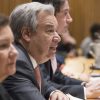
“The World Has Gone in Reverse”
A year into his position, the United Nations Secretary-General António Guterres said that peace remains elusive and that renewed action must be taken in 2018 to set the world on track for a better future.
40% of India’s Thermal Power Plants in Water-Scarce Areas, Threatening Shutdowns
New WRI research finds that 40 percent of the country’s thermal power plants are located in areas facing high water stress, a problem since these plants use water for cooling. Scarce water is already hampering electricity generation in these regions—14 of India’s 20 largest thermal utilities experienced at least one shutdown due to water shortages between 2013-2016, costing the companies $1.4 billion.
Pakistan, Facing Military Aid Cuts, One Step Ahead of US
When the United States abruptly cuts off military supplies to its allies for political or other reasons, the reaction has been predictable: it drive these countries into the arms of the Chinese, the Russians and Western European weapons suppliers.« Previous Page — Next Page »


The Week with IPS

NEXT STOP - SDGs
Tracking global progress towards a sustainable world
Tracking global progress towards a sustainable world
