Languages
Saturday, October 17, 2026



News and Views from the Global South
Armed Conflicts
The Risks Artificial Intelligence Pose for the Global South
Artificial intelligence (AI) is rapidly developing and leaving its mark across the globe. Yet the implementation of AI risks widening the gap between the Global North and South.
#KeepHopeAlive Through Education
On the first International Day of Hope, we are all responsible to #KeepHopeAlive for the children impacted by the world’s most severe humanitarian crises. Perhaps the strongest responsibilities lie with those entrusted to lead the world and make the right moral and legal choices. This is especially so today, when we have led the world into an abyss of excruciating pain for nearly a quarter of a billion innocent children now suffering brutal conflicts and violence, forced displacement and punishing climate disasters – without quality education.
WFP Deputy Chief Describes Unprecedented Humanitarian Crisis in Gaza
Carl Skau, Deputy Executive Director of the World Food Programme (WFP), described the dire humanitarian situation in Gaza following his recent visit, speaking at a press briefing at the UN Headquarters on July 11.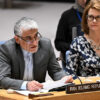
Afghan Refugees Expelled from Iran and Exposed to Horrific Abuse
Since early June, Afghan refugees in Iran have endured increasingly harsh humanitarian conditions, with many being forced to repatriate under conditions that violate the principles of international humanitarian law. In 2025 alone, over one million refugees have returned to Afghanistan, further stretching the limited supply of resources amid a severe and multifaceted humanitarian crisis.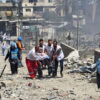
Genocide Made Invisible
Whatever the outcomes of Benjamin Netanyahu’s visit to the White House on Monday and the latest scenario for a ceasefire in Gaza, a bilateral policy of genocide has united the Israeli and U.S. governments in a pact of literally breath-taking cruelty.
Kenya’s Shirika Plan: A New Dawn for Refugee Rights and Integration
When Jean Baremba arrived in Kenya in 2018, he looked forward to rebuilding a life shattered by war in the Eastern Democratic Republic of Congo.
Sudanese Refugees and IDPs Disproportionately Affected By Crisis
Since the wake of the Sudanese Civil War in 2023, Sudan has faced a dire humanitarian crisis that has been marked by extreme violence, widespread civilian displacement, and an overwhelming lack of basic services in relation to the massive scale of needs. The latest reports from a host of United Nations (UN) organizations shed light on the rapid deterioration of living conditions for Sudanese internally displaced persons (IDPs) and refugees.
Does the UN Overstep Its Responsibility to Protect Mandate?
The UN has been criticized by some member states for overstepping the mandate of its Responsibility to Protect (R2P) doctrine during a debate in the General Assembly.
Post-Earthquake Myanmar Faces ‘Immense’ Suffering, Cannot Be Forgotten
“Myanmar cannot become a forgotten crisis,” Jorge Moreira da Silva, Executive Director of the United Nations Office for Project Services (UNOPS), has said. “This country has faced cyclones, war, conflict, violence, climate and now immense suffering.”
Democracy under Attack: Why the World Needs a New UN Special Rapporteur
When tanks rolled through Myanmar’s streets in 2021, civil society groups worldwide sounded the alarm. When Viktor Orbán systematically dismantled Hungary’s free press, democracy activists demanded international action. And as authoritarianism returns to Tanzania ahead of elections, it’s once again civil society calling for democratic freedoms to be respected.
Multi-Year Drought Gives Birth to Extremist Violence, Girls Most Vulnerable
While droughts creep in stealthily, their impacts are often more devastating and far-reaching than any other disaster. Inter-community conflict, extremist violence, and violence and injustice against vulnerable girls and women happen at the intersection of climate-induced droughts and drought-impoverished communities.
The Juggling of Aid: How WFP is Delivering More with Less
Serious-to-severe food insecurity has been widely felt among those living through the worst, protracted humanitarian crises. For organizations like the World Food Programme (WFP), they must work under the “relentless demand” for humanitarian aid, including food.
Women and War: Victims of Violence and Voices of Peace
In 2023, approximately 612 million women and girls lived within 50 kilometers of a conflict zone, more than 50 percent higher than a decade ago. During war, they disproportionately suffer from gender-based and sexual violence.
US Mayors Renew Call for US to Lead World–Back from Nuclear Brink
July 16, 2025, will mark the 80th anniversary of “Trinity,” the first nuclear test detonation, at Alamagordo, New Mexico, and August 6 and 9 will mark the 80th anniversaries of the United States atomic bombings of Hiroshima and Nagasaki. Rather than commemorating those somber anniversaries as a grim reminder of the past, this year they serve as a foreboding warning of what may be to come.
The Young Nigerian Innovator Lighting Up Communities With Recycled Solar Innovation
When Stanley Anigbogu heard his name announced as the 2025 Commonwealth Young Person of the Year in London earlier in March, he could hardly believe it. He had not expected to win, especially among a pool of brilliant nominees from across the globe.
‘Enabling Machines to Make Life and Death Decisions Is Morally Unjustifiable’
CIVICUS discusses autonomous weapons systems and the campaign for regulation with Nicole van Rooijen, Executive Director of Stop Killer Robots, a global civil society coalition of over 270 organisations that campaigns for a new international treaty on autonomous weapons systems.

What the Ceasefire Between Israel and Iran Means for Israel-Palestine Conflict
The Trump administration announced on June 23 that a ceasefire agreement between Israel and Iran had been reached following 10 days of conflict between the two nations and the United States’ bombardment of three nuclear sites in Iran. The establishment of the ceasefire will return focus back to the conflict between Israel and Palestine and the ongoing humanitarian crisis.
A Growing Gap between Principle and Implementation: 20 Years of Responsibility to Protect
United Nations member states this week reiterated their commitment to the prevention of genocide, war crimes, ethnic cleansing and crimes against humanity—at a time when world powers are failing to meet these obligations.
Increased Demand for Cobalt Fuels Ongoing Humanitarian Crisis in the Democratic Republic of the Congo
The demand for cobalt and other minerals is fueling a decades-long humanitarian crisis in the Democratic Republic of the Congo (DRC). In pursuit of money to support their families, Congolese laborers face abuse and life-threatening conditions working in unregulated mines.
Iran— Deja Vu All Over Again
Chest thumping “Mission Accomplished” claims by President Trump that he ordered the world’s biggest conventional bombs to be dropped on a sleeping nation of 90 million people, were premature. To top it off he bragged that Iran’s nuclear capacity was devastated and that the whole nation fired “not a single shot” back.
Why Peacebuilding Needs a New Global Agenda
 It has been 33 years since peacebuilding was formally recognized within the United Nations system, by the then UN Secretary-General Boutros-Ghali, who defined it as a long-term structural work aimed at preventing the recurrence of violence, setting the stage for the UN’s ongoing efforts to address the root cause of conflict and not just its consequences. “Post-conflict peacebuilding is the action to identify and support structures which will tend to strengthen and solidify peace in order to avoid a relapse into conflict,” Boutros-Ghali said.
« Previous Page — Next Page »





Armed conflicts are a sad constant on daily front pages worldwide. Wars, civil wars, revolts, coups, genocides, ethnic and political violence, and global terrorism capture our attention for the geopolitical landslides, human suffering, food crises and streams of migration that follow in their wake. As in times of natural disaster, man-made crises claim frequent casualties among the poor, women and children. IPS examines emerging and ongoing armed conflicts around the world with an eye on the underlying social and political dynamics, and special focus on the lived experiences of those most affected by armed conflict.

The Week with IPS

NEXT STOP - SDGs
Tracking global progress towards a sustainable world
Tracking global progress towards a sustainable world
