Languages
Tuesday, November 10, 2026



News and Views from the Global South
Democracy

Saudi Scapegoats
The eleventh day of September 2001 seems a distant memory now. On that day, 19 hijackers unleashed mayhem in the skies over the United States of America. Fifteen of these 19 hijackers, it would later be discovered, were Saudi citizens. Yet the war that ensued, that cast its bloody fingers deep into the Middle East and South Asia, would not be a war against Saudis. It was instead against Afghans, Iraqis and, at least via remote control, Pakistanis.
The UN and Global Economic Stagnation
When the financial crisis preceding the Great Recession broke out in late 2008, attention to the previously ignored UN Secretariat’s analytical work was greatly enhanced. This happened as the UN and the Bank of International Settlements (BIS) had been almost alone in warning, for some years, of the macroeconomic dangers posed by poorly regulated financial sector developments.
Is a Referendum a Valid Tool for Democracy?
William Shakespeare would have loved to witness the Brexit. Many of his themes are evidently present: friendship and treason; truth and lies; deception and betrayal.How Russia Will Use Brexit to Fight Sanctions
FORECAST EU sanctions against Russia are all but guaranteed to remain in place through 2016, but Moscow will work in the second half of the year to get them eased in 2017. Russia will capitalize on divisions in the European Union, which will only widen in the wake of Brexit, to oppose sanctions. Moscow will step lightly, however, to avoid provoking its European rivals ahead of the next sanctions vote.Farage: Populist who Pushed Britain to Brexit
London: Nigel Farage devoted his career to campaigning for Britain to leave the European Union, a goal that once seemed impossible but which he helped achieve with an unashamedly populist message.
Crisis of the Left
Over the last few years, quite a few countries have witnessed the rise of social movements against inequality, xenophobia, and fiscal austerity. The most notable of these are the Occupy movement and Bernie Sanders’ campaign in the US, Syriza and Podemos in continental Europe, and the rise of Jeremy Corbyn and the Momentum campaign in Britain’s Labour party.
Post-War Truth and Justice Still Elusive in Bougainville
Almost every family in the islands of Bougainville, an autonomous region of about 300,000 people in the Pacific Island state of Papua New Guinea, has a story to tell of death and suffering during the decade long civil war (1989-1998), known as ‘the Crisis.’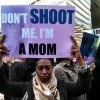
Why I Started SMART ALEC – Lobbying for the Public Good
For many years, as a reporter, including for IPS, I wrote about the dominance of a giant, corporate-funded lobbying organization called ALEC (the American Legislative Exchange Council), on public policy in the United States.
Civil Society Under Serious Attack
Despite their contribution to social justice, civil society organisations came under “serious attack” in 109 countries in 2015, according to a new report published by CIVICUS Monday.
Journalists Face Unprecedented Violence
There has never been a time more dangerous to be a journalist than today. On an average week, one journalist gets killed, according to UNESCO, and the pace of these attacks keeps increasing.
Little England
Sometimes you just have to lie back and think of England. But how can one think of England without thinking of Shakespeare? And when you think of Shakespeare, how can you ignore Macbeth, his most Scottish of plays, and in particular the line: “we but teach bloody instructions, which being taught, return to plague the inventor”.From Grexit to Brexit: Eurosceptics Claim their -Exit
AFP - It started with “Grexit” -- the long trumpeted but never realised axing of Greece from the European Union. It was then reborn as “Brexit” as Britain started down the -- this time voluntary -- path of leaving the bloc.
Will Brexit Have Political Ramifications at UN?
The much-ballyhooed British exit (Brexit) from the 28-member European Union (EU) is likely to have political ramifications at the United Nations – both in the short and the long term.
Brexit – Perceptions and Repercussions in the Americas
The hopes of many of those who confidently expected the British electorate to vote, by a slender margin, for the country to remain in the EU have been dashed. All that is left to do now is to ponder the causes and background of this regrettable event, and consider its likely consequences, especially for relations with the United States.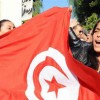
Islamists and Secularists Adjust to Work Together
It is encouraging to watch how Rachid Ghannouchi and Nahdha, the largest and most popular Islamic political party in Tunisia which is now widely expected to come to power again in the next election, have been transforming over time. Recently Ghannouchi astonished the world by declaring that “We will exit political Islam”, meaning that the country would be working to separate religious work from politics. Coming from one who once advocated Sharia law in governance, this change is amazing. Ghannouchi's leadership of remaining flexible, without compromising fundamental values and principles of Islam, has played a major role in helping Tunisia to become a vibrant democracy today, when other countries in the region have failed.
Political Crisis Looms in Nicaragua in Run-Up to Elections
The seventh consecutive nomination of Daniel Ortega as the governing party’s candidate to the presidency in Nicaragua, and the withdrawal from the race of a large part of the opposition, alleging lack of guarantees for genuine elections, has brought about the country’s worst political crisis since the end of the civil war in 1990.
Collective Indifference or Silent Acceptance?
When blogger Rajib Haider was killed in 2013, the outcry was tremendous. But, over the next three years, at least 38 more were added to the list of those murdered, which includes writers, publisher, foreigners, religious minorities and LGBT rights activists. There have been reports about alleged IS involvement, and last week, the security forces launched a drive that resulted in the arrest of 194 'militants'. But the collective outrage over people being murdered seems to have mellowed.
The Environment: Latin America’s Battleground for Human Rights
2015 was the deadliest year on record for the killings of environmental activists around the world, according to a new Global Witness report.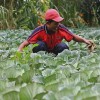
Asia’s Rising Prosperity, Climate Change Taking Toll on Food Security
Asia’s economic growth over the last decade has been relentless, bringing with it a rising population and an influx of people from the countryside to the cities in search of prosperity. These trends are not expected to abate.
Unmet Expectations
Donald Trump’s rise in America, a wave of pro-Brexit and xenophobic sentiment in the UK, mass demonstrations in France and Brazil, a political crisis in South Africa, communal polarisation in India, and religious zealotry coupled with anti-corruption agitation in Pakistan. On the face of it, there’s very little that connects these disparate events. Each appears unique to a country’s history and its contemporary interaction of domestic and global events.
Fences and Walls: A Short-sighted Response to Migration Fears?
European nations from which millions once left to escape hardship and hunger – Greece, Ireland, Italy - are today destinations for others doing the same.« Previous Page — Next Page »





The Week with IPS

NEXT STOP - SDGs
Tracking global progress towards a sustainable world
Tracking global progress towards a sustainable world
