Languages
Thursday, November 19, 2026



News and Views from the Global South
Development & Aid
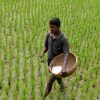
Bangladesh Welcomes a New High Yielding Biofortified Zinc Rice
The Bangladesh National Seed Board has approved the release of the newest biofortified zinc rice variety in the country: the BRRI dhan100. This latest zinc rice variety was developed by the Bangladesh Rice Research Institute (BRRI). HarvestPlus assists BRRI in crop development and breeder seed production of biofortified zinc rice.
Maquila Female Workers in Their Own Words: Fighting COVID and Labor Abuse
A compilation of testimonies collected by Blanca Velázquez Díaz and published by the Ebert Foundation (available at: http://library.fes.de/pdf-files/bueros/mexiko/17328.pdf) offers an account of the harsh reality by which some workers of the maquila industry in the Mexican state of Morelos have gone through over these last twelve months. Their words reflect, undoubtedly, similar experiences of millions of workers in different parts of the country.
Humanitarian & Food Aid Can Never be Enough to Manage Cascading Disasters
The intersection of crisis, climate change and COVID-19 has resulted in a “rapid rise in hunger”, according to United Nations World Food Programme (WFP) Deputy Executive Director Amir Abdullah.
„We will overcome it“: Experiences of the impact of COVID-19 in Suva, Fiji
 This short video explores the experiences of COVID-19 in Fiji's capital, Suva, by University students. The participants reflect on the impact of the virus in the Pacific nation, where themes such as the emotional implications of COVID as well as its effects on the economy, food security, resilience and more are discussed.

Debt Moratoria in the Next Pandemic: Be Prepared, and Be Fair
Imagine it is 2025 and that, unfortunately, another pandemic is sweeping the world. Much like in the 2020 crisis, borrowers have seen their livelihoods upended and are struggling to repay loans.
Centering Equity: A Vision for Global Health in 2021
2020 will be remembered as the year that changed the world, as COVID-19 spared no country, no community, and no person. As the pandemic continues in 2021, there is recognition that some groups are impacted more than others, not just by the virus itself, but also by the socio-economic and access inequities exacerbated by global shutdowns. Globally, countries, and organisations are seeking to build back better and address inequities.
After the Fire: Rebuilding of Rohingya Camp a Race Against Time Ahead of Monsoon Season
 The building that was once the largest health centre in the Kutupalong refugee camp, serving some 55,000 Rohingya refugees 24/7, is now a burnt, distorted shell after a massive fire spread through the Cox’s Bazar camp in Bangladesh this week.
And as the tens of thousands of affected Rohingya return to the empty pieces of land that where once their homes, the need to rebuild — both the health facility and their homes — has added impetus because of the current COVID-19 pandemic and the coming monsoon season.
Hope & Numbers: What will it take to Tip the Scales on Climate Action?
We should be well on the way to solving the climate crisis by now. According to the Paris Agreement, last year should have been the year that all countries presented their commitments to cut carbon emissions for limiting global climate heating to within 1.5oC of pre-industrial levels.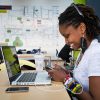
Tech Savvy Youth with High Social-Emotional Skills Succeed in Agriculture – Study Shows
Saheed Babajide, a young animal production graduate and a manager at a national milk production company in Iseyin, Nigeria, is a beneficiary of the government's youth agriculture intervention programme. But he feels he received almost no training during the three years he participated.
End Vaccine Apartheid Before Millions More Die
At least 85 poor countries will not have significant access to coronavirus vaccines before 2023. Unfortunately, a year’s delay will cause an estimated 2.5 million avoidable deaths in low and lower-middle income countries. As the World Health Organization (WHO) Director-General has put it, the world is at the brink of a catastrophic moral failure.

Water Governance and Data Collection is Key to Reach Development Goals
Prioritising water governance and ensuring data collection and investment in groundwater use around the world are some of the key issues that need to be addressed with regards to achieving development goals.
The UN Food Systems Summit: How Not to Respond to the Urgency of Reform
Global food systems have been failing most people for a long time, and the COVID-19 pandemic has made a critical situation even worse. 265 million people are threatened by famine, up 50% on last year; 700 million suffer from chronic hunger; and 2 billion more from malnutrition, with obesity and associated diet-related diseases increasing in all world regions.
Why Water & Sanitation Systems are Vital for the Economy
This World Water Day, we celebrate the value of water, which at first might be a given: after all, water is the basis of all life. Without water we have no health, wealth, equality, or education.
The Value of Water Goes Far Beyond its Stock Price
In the midst of a global pandemic, when the presence of water in our lives has never seemed more important, its future availability has also never been more uncertain.
Access to Safe Water Never Loses Value
The global community is celebrating World Water Day 2021. In the COVID-19 pandemic era, the importance and value of water for all people has never been clearer. Access to safe water is essential for public health and thriving communities.
Oral Health Should be a Development Priority
The mouth is a barometer of social inequities -- it reflects the injustices in our society. As George Cuvier, an 18th century naturalist said: "Show me your teeth, and I will tell you who you are". To me, as a dentist, the mouth is like a microscope that reveals more than just tooth decay. It exposes us to a world where people lack access to water, health, quality education and live on low income.
Indigenous Communities in Mexico Fight Energy Projects
Indigenous farmers on communally owned lands have blocked since 2016 a private solar farm in the southeastern Mexican state of Yucatan by means of legal action, due to the company’s failure to hold consultations with local native communities and the risk of environmental damage.
A Moral Failure: Billions of People with No Access to Clean Drinking Water
Water is integral to sustainable development, but we are well behind on the goals and targets that we have set ourselves.
Clean Water Vital for Protecting Those on the Frontline of Climate Change in Post-Pandemic World
For many, the last year will be remembered as the time our day-to-day lives screeched to a halt. As Covid-19 spread mercilessly across the world, wreaking havoc on health and livelihoods, world leaders, health experts and scientists grappled with how to protect populations and stem the tide of the virus.
UN Sanitizes Killings of Children in Armed Conflicts
The horrendous killings of children in military conflicts and civil wars – both by national armed forces and militant groups – have triggered widespread condemnation by human rights organizations worldwide.« Previous Page — Next Page »


 2026 High-level Political Forum on Sustainable Development. Credit: UN Photo/Eskinder Debebe
In 2015, the United Nations and its Member States adopted the Sustainable Development Goals (SDGs) in an effort to make the world a more sustainable and peaceful place for future generations. Progress on the 17 SDGs has been uneven, and inequality persists across the globe. 10 years after adoption, the 2025 UN SDGs Report revealed that only 35% of the SDG targets are on track, with more than half moving too slowly, and 18% moving backwards from the 2015 baseline. Poverty remains one of the world’s most pressing issues, with hunger, violence, and inequality impeding the opportunities for all people to achieve success. In September 2024, the United Nations Summit of the Future introduced a new goal: to eradicate global poverty by 2030, ensure universal rights to basic services, and increase the overall standard of living in terms of industrialization, economic well-being, citizen health, and literacy. Furthermore, recent shifts in United States foreign aid policy – notably, major budget cuts to USAID and the termination of thousands of development programmes– have severely threatened vital lifelines of financial aid to impoverished communities around the world. Additionally, the United States’ withdrawal from the Paris Climate Agreement has undercut international efforts at sustainable development. With the upcoming 2030 deadline, the UN Secretary-General has called for urgent multilateralism across six priority areas: food systems, energy, digital connectivity, education, jobs and social protection, and climate and biodiversity. IPS sheds light on marginalized communities that struggle on a daily basis to survive and have their stories heard and respected.
Updated by Yilan Batista and Shuli Wong August 2026

The Week with IPS

NEXT STOP - SDGs
Tracking global progress towards a sustainable world
Tracking global progress towards a sustainable world
