Languages
Wednesday, November 18, 2026



News and Views from the Global South
Global Geopolitics

Ship of State Needs More Women at the Helm
Less than 10 percent of the world's political leaders are female, according to United Nations figures, but many of them were present Monday at U.N. headquarters in New York, where they reiterated calls for increased participation for women as critical to both economic development and democracy.
Q&A: “After 50 Years, the Embargo on Cuba Has Failed”
Cuba is urging the U.N. General Assembly to again condemn the U.S. embargo during its 66th session this week, in an annual ritual that has been a political and moral victory for the socialist nation but with little real impact.Women Hung Out to Dry in Global Labour Market
Amid policy battles over food production, energy resources and economic decline, one untapped natural resource that is guaranteed to boost production on a global scale has been stubbornly overlooked – the power of women in the labour force.
Q&A: “Things Are Bound to Change in China”
Before 1999, she was best known as the richest woman in China. Her business empire included a trading firm, real estate investments and a department store, putting her among the top 10 wealthiest individuals in the Asian nation.World Bank, IMF Face Shifting Development Paradigm
Amid a global financial crisis that has shown little signs of reversing, next week's fall meetings of the International Monetary Fund and World Bank are crucial in setting the tone for rebounding world markets, to which leaders of the Bretton Woods institutions offered optimistic, yet ultimately vague, solutions in speeches this week.U.S.: Changing Key Law Could Mean “License to Bribe”
Changes to a key anti-bribery law that applies to international commerce, proposed by the U.S. Chamber of Commerce, could have disastrous consequences, hurting multinational firms, human rights, and the U.S.'s place of respect as an early adopter of the legislation, opponents to the changes argued here Friday.Bottom Trawling Cuts Wide Swath of Destruction
Bottom trawling, a method of deep-sea fishing, is threatening the existence of ecosystems in the deep oceans, wreaking nearly irrevocable havoc on thousands of species and the very habitat in which they live.U.S.: Republicans Call for Major Cuts to U.N.
As leaders from around the globe begin gathering in New York City for the annual opening of the U.N. General Assembly (UNGA), Republican lawmakers in Washington are calling for a major overhaul of the world body that would almost certainly result in huge cuts to its budget and operations.U.N. Security Council Fiddles While Syria Burns
"Syria is on fire," says one exasperated U.N. diplomat, "while the Security Council fiddles."Foreign Drug Offenders More Likely to Face Death
In many of the countries that permit execution for drug offences, the majority or even all of those on death row are foreigners, according to a new report by Harm Reduction International (HRI).Watchdogs Push Hard for War Crimes Probe in Sri Lanka
Despite months of frustrated efforts to secure a full and impartial investigation into possible laws-of-war violations during the last phase of Sri Lanka's civil war, which ended in 2009, leading human rights advocates in the U.S. launched a fresh charge on the island nation's government this week, vowing that, "If the Sri Lankan government won't provide justice for victims, the international community will."
Global Gold Rush Brings Heightened Scrutiny
Bolstered by gold prices hovering above 1,800 dollars an ounce and a global economy slowly recovering, exploration activity for the precious metal in 2010 once again rebounded. Yet, with this surge comes the attendant scrutiny by activists, investors, and the media into the industry's human rights and environmental records abroad.DEVELOPMENT: France Steps Up Support for Financial Transaction Tax
If governments could find trillions of dollars to support banks and the global financial system in 2009, why can't they raise enough money to help eradicate extreme poverty? This is the question that supporters of a financial transaction tax (FTT) are asking in France, as lawmakers debate introducing such a levy to help fund development at home and abroad.Finding Opportunity in a World of Seven Billion
Next month, the world's population will reach seven billion people, a landmark that the United Nations Population Fund (UNFPA) is hailing in its drive to raise awareness about the need for global cooperation to solve issues of development.Inheriting the Whirlwind of Extreme Events
The dramatic increase in extreme weather that has affected hundreds of millions across the planet is one of the clearest signs that burning billions of tonnes fossil fuels has seriously and permanently disrupted the global climate, experts say.Concrete Impact of Palestine’s U.N. Bid Still Uncertain
Despite the frenzy of media attention bestowed upon Palestine's expected bid for statehood at the United Nations later this month, some doubt the impact it would have on the political complexities of the Palestinian-Israeli conflict or the humanitarian issues and human rights abuses that many Palestinians face regularly.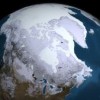
Record Arctic Ice Melt Threatens Global Security
All the analysis and commentary about safety and security on the tenth anniversary of 9/11 ignored by far the biggest ongoing threat to global security: climate change.Unleashing the Power of Women and Girls
Kakenya Ntaiya was engaged at age five and would have been married by 13 if her mother had not insisted that she attend her small village school in Enoosaen, Kenya.U.N. Racism Meet to Reaffirm Durban Declaration on Palestine
When a landmark world conference against racism adopted a historic political declaration in the South African port city of Durban back in 2001, the 62-page document covered virtually every conceivable act of racism, xenophobia and racial intolerance worldwide.At the U.N., Palestinians Keep Cards Close to the Chest
When the 66th session of the United Nations General Assembly opened Tuesday, one of the key questions lingering in the minds of most delegates was the state of Palestine - literally and metaphorically.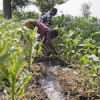
Developing Countries’ Designs for the Green Climate Fund
With its coffers largely dry and its management being contested, the Green Climate Fund (GCF) remains a hot topic among African civil society. Ahead of the upcoming international climate change meeting in South Africa, African ministers have already met to set their agenda and civil society is looking to do the same.« Previous Page — Next Page »


Is the world dominated by three great empires -- the U.S.A, China and the European Union? How much power do the great behemoths of the south -- India, Brazil, and South Africa -- wield? And where does Russia fit in that equation? Are we in the middle of a new Cold War? What are the implications of the armed conflict with Georgia? What about the new axis: Venezuela-Russia? And what role does Turkey play? What about issues like Climate Change and other global forces like the food crisis and the high energy prices? How is all this reshaping the world's forces? IPS looks for some answers.

The Week with IPS

NEXT STOP - SDGs
Tracking global progress towards a sustainable world
Tracking global progress towards a sustainable world
